
If your female cat is meowing nonstop and rubbing against everything, she’s trying to communicate. This behavior can indicate attention-seeking, marking her territory, or the start of her heat cycle. Understanding these signals helps you respond and keep her happy and healthy.
Common Causes When Both Meowing and Rubbing Increase Together
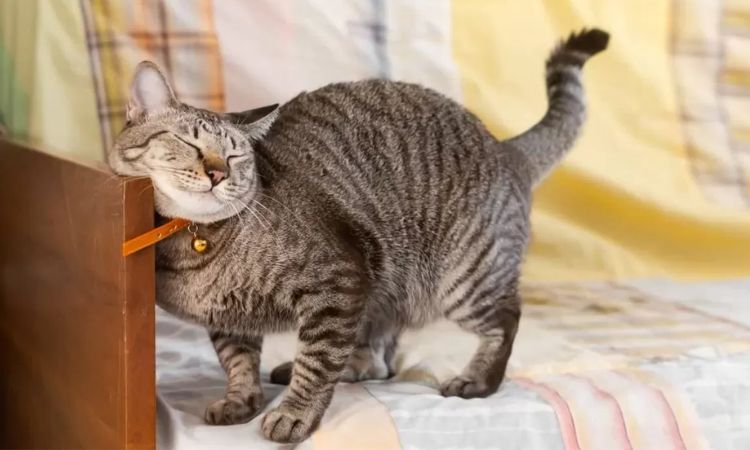
When a cat suddenly becomes more vocal and starts rubbing against everything more frequently, it’s usually a form of communication. In female cats, one of the most common reasons is being in heat. During this phase, cats often meow loudly, rub their bodies and heads on furniture or people, and lift their hindquarters as a way to attract male attention. This behavior is normal and not painful, though it can be demanding for owners.
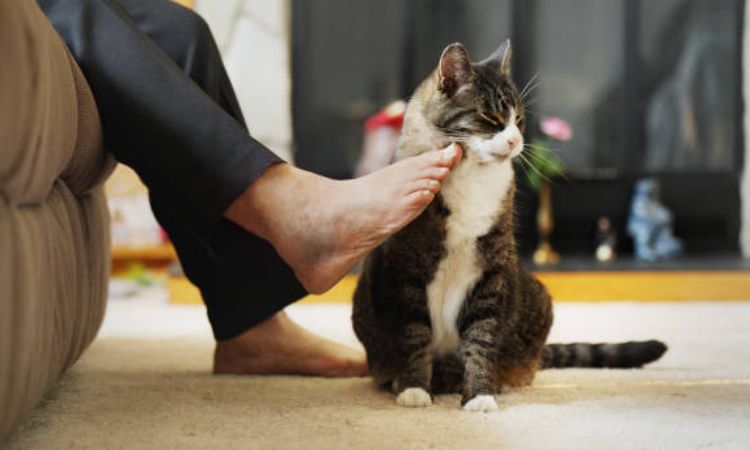
Beyond reproductive cycles, cats also increase meowing and rubbing to signal their needs. They may be seeking attention, requesting food, wanting playtime, or asking for petting. The combination of rubbing and vocalizing is a clear way for your cat to communicate that something is important to her.
Environmental or emotional stress can also trigger this behavior. Changes such as new pets, unfamiliar surroundings, or modifications in their usual routine may lead to increased vocalization and rubbing as your cat tries to self-soothe or reassure herself.
Finally, don’t overlook possible medical or skin issues. Irritation, allergies, or discomfort can cause a cat to rub against surfaces repeatedly while vocalizing. If the behavior is sudden, persistent, or accompanied by other signs like redness, hair loss, or lethargy, a veterinary check-up is recommended to rule out underlying health problems.
When to Be Concerned
While meowing and rubbing are often normal cat behaviors, certain signs indicate that your female cat may need veterinary attention:
- Excessive meowing with other symptoms: Lethargy, loss of appetite, vomiting, or sudden aggression can signal pain or illness.
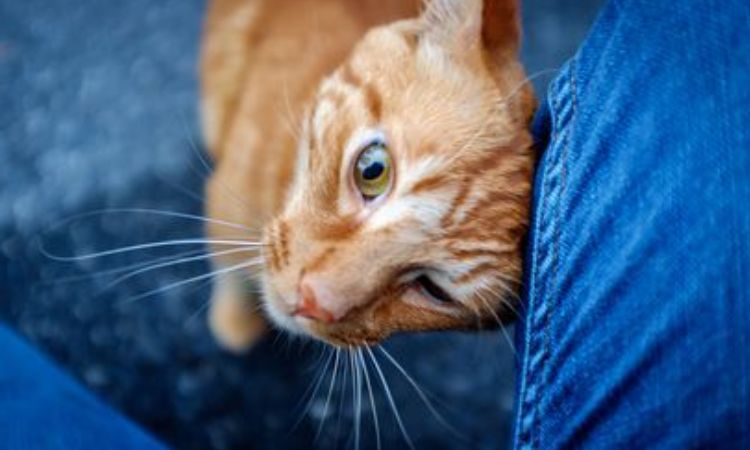
- Persistent rubbing causing hair loss or skin damage: Over-grooming or rubbing that leads to bald spots, sores, or redness may indicate fleas, allergies, or skin problems.
- Signs of pain or discomfort: High-pitched vocalizations, flinching, or difficulty moving can be warning signs.
- Behavior changes: Any sudden or unusual changes in activity, sleep, or social behavior should not be ignored.
Key point: If your cat’s meowing and rubbing become intense or are accompanied by physical or behavioral changes, schedule a veterinary checkup to rule out medical issues. Early evaluation ensures your cat stays healthy and comfortable.
How to Respond to Your Cat’s Meowing and Rubbing
Managing your cat’s meowing and rubbing involves understanding the underlying reason and responding appropriately:
- Provide attention, playtime, and affection when needed: If your cat seeks interaction, engage in gentle play, petting, or talking to them. Use interactive toys like wands or balls to keep them mentally and physically stimulated. Avoid giving attention while they are meowing excessively, as this can reinforce the behavior; instead, reward them when they are calm.
- Maintain a consistent routine: Cats feel more secure when their daily schedule is predictable. Feed, play, and interact with your cat at roughly the same times each day to reduce stress and anxiety that can trigger excessive vocalization or rubbing.
- Consider spaying: For unspayed female cats, meowing and rubbing may be related to being in heat. Spaying not only prevents unwanted pregnancies but also reduces heat-related behaviors, including excessive vocalization and rubbing.
- Monitor for signs of illness: Pay attention to sudden or extreme changes in behavior, persistent rubbing that causes skin irritation, or excessive meowing accompanied by lethargy, appetite loss, or pain. Consult your veterinarian promptly to rule out medical causes.
Responding thoughtfully to your cat’s meowing and rubbing helps meet their needs, reduces stress, and prevents reinforcement of undesirable behaviors while ensuring their health and well-being.
You may be interested in: Cat in Heat? What to Expect When Your Female Cat is Calling for a Mate
In conclusion excessive meowing and rubbing behavior in a female cat often indicates she is in heat. While these behaviors can be challenging to manage, understanding that they are driven by a biological urge can help you respond with patience and care. Spaying your cat is the most effective way to prevent future heat cycles and ensure her long-term health and comfort.