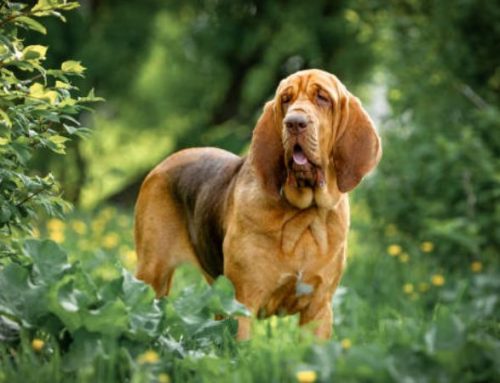

With their cotton-soft coats and sunny, sociable personalities, Bichon Frises have a natural talent for fitting seamlessly into almost any household. These little charmers are quick to befriend kids, pets, and pretty much anyone who crosses their path, all while keeping a watchful eye on their surroundings.
They may be pint-sized, but their curiosity and big-hearted nature make them irresistible companions rather than fierce protectors. Ready to uncover what it really takes to raise one of these fluffy, hypoallergenic favorites? Dive into our Bichon Frisé Care Guide for a closer look at training tips, costs, and the adorable truth behind this beloved breed.
Breed Overview and Key Facts
The Bichon Frise has a long and colorful history that stretches from the Mediterranean to the grand courts of Europe and, eventually, into the homes of modern families around the world. Originally part of the ancient Barbichon family of small lapdogs, the breed likely began its journey in the Mediterranean region before becoming a favorite among sailors, who traded them across ports throughout Spain, France, and Italy. Their irresistible charm soon caught the attention of European aristocracy, where they lived pampered lives as royal companions. Although the French Revolution and later world wars nearly pushed the breed to extinction, dedicated enthusiasts in France and Belgium helped revive and stabilize the Bichon we know today. By 1972, the American Kennel Club officially recognized the Bichon Frise, cementing its place as a beloved modern companion dog.

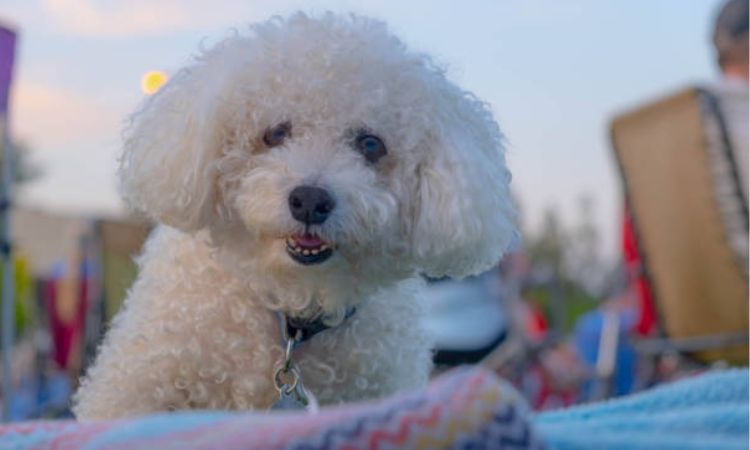
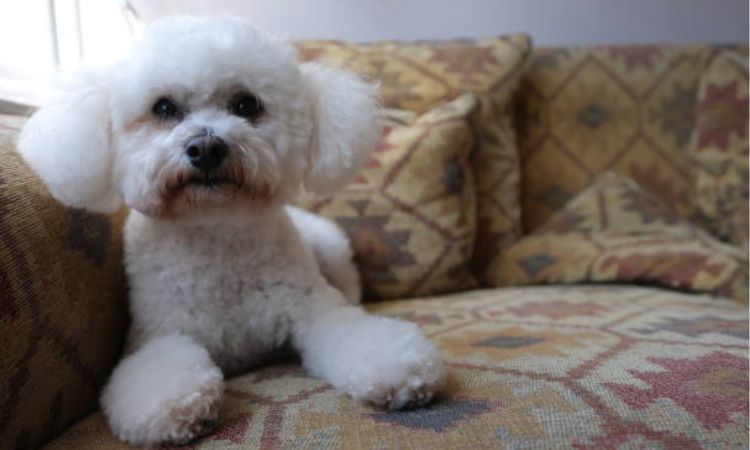
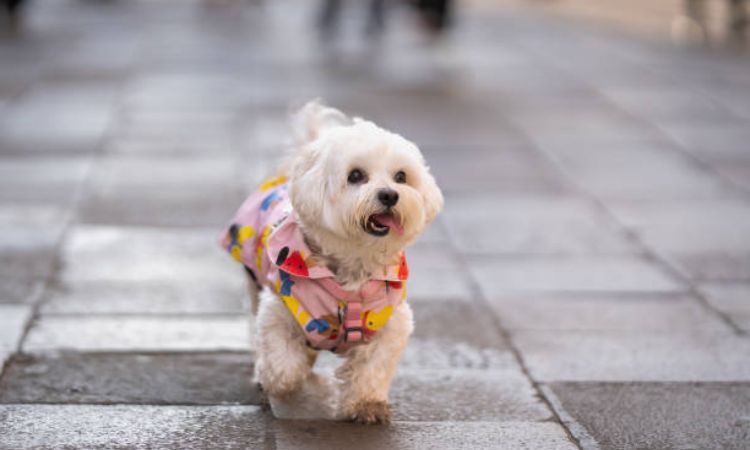
In terms of physical traits, the Bichon Frise is a small but sturdy non-sporting breed, typically standing 9.5 to 11.5 inches tall at the shoulder and weighing 12 to 18 pounds. Despite their petite size, they have a surprisingly resilient build. With an average lifespan of 14 to 15 years, they are known for their longevity when well cared for. Their most iconic feature is their plush, curly white coat—often compared to a cotton ball or a “living stuffed animal”—paired with expressive dark eyes and a black button nose.
Quick Facts
- Energy Level: Medium — enjoys active playtime and brisk walks
- Grooming Needs: High — regular brushing, trimming every 4–6 weeks, prone to tear staining
- Trainability: Medium — eager to please but sometimes stubborn, requires patience
- Barking Tendency: Medium — alert but not known as a nuisance barker
- Good With Kids/Pets: Yes — generally gentle, affectionate, and adaptable to multi-pet homes
- Typical Health Issues: Allergies, dental disease, luxating patella, cataracts, hip dysplasia, and occasional bladder infections
Temperament and Personality
The Bichon Frise is adored worldwide for its warm, sunny temperament and engaging personality. At their core, they are affectionate, cheerful, and incredibly people-oriented. Many owners refer to them as “velcro dogs” because they love staying close to their humans—whether curled in a lap, following someone from room to room, or eagerly joining family activities. Their playful nature and natural sense of humor give them a charming, sometimes clown-like presence that brightens any home.
Bichons are typically excellent with children when treated gently and respectfully. Their soft disposition and love for companionship also make them wonderful partners for seniors. With proper introductions and socialization, they integrate smoothly into homes with other dogs and even cats thanks to their friendly, social nature.
However, prospective owners should be aware of a few common behavioral challenges. Because they bond deeply with their families, Bichons are prone to separation anxiety, especially if left alone for long stretches. This can lead to destructive behavior, excessive barking, or house-soiling if not properly managed. They may also develop attention-seeking habits—like pawing, whining, or performing tricks—if they feel ignored. While they enjoy alerting their families to new visitors or unusual noises, they’re not aggressive watchdogs; they simply like to keep their humans informed.
Nutritional Needs and Feeding Costs
Choosing the right diet for a Bichon Frise starts with understanding their unique needs as a small, active breed with a sensitive stomach and a coat that depends heavily on proper nutrition. Always select food that matches your dog’s life stage—puppy, adult, or senior—since each requires different levels of protein, fat, and calories. Puppies need calorie-dense formulas for growth, adults thrive on balanced diets with high-quality animal protein as the first ingredient, and seniors benefit from lower-calorie foods enriched with joint-support nutrients like glucosamine. Because many Bichons are prone to allergies, tear staining, and digestive issues, owners should watch for sensitivities to common ingredients like chicken, corn, wheat, soy, or artificial additives. When in doubt, your veterinarian can help you choose a limited-ingredient or hypoallergenic diet tailored to your dog’s needs.
A consistent feeding routine plays a major role in keeping Bichons at a healthy weight. Their small frames make them more vulnerable to obesity, which can put stress on their spine and joints. Most adult Bichons do best with two measured meals per day, while puppies typically need three smaller meals. Stick to precise portions based on your dog’s weight and activity level—overfeeding, even by a small amount, quickly leads to weight gain. Regularly check your dog’s body condition by feeling their ribs (they should be easy to feel but not visible) and adjust portions as needed.
Owners can expect to spend a moderate amount on quality food for this breed. A typical Bichon eating premium commercial kibble or a balanced mix of kibble and wet food will generally cost $40 to $80 per month, depending on brand, formula, and whether fresh or specialty diets are included. Prescription or limited-ingredient diets for allergy-prone dogs may raise the monthly cost slightly.
Treats and supplements should be used thoughtfully. Healthy treats like freeze-dried meats or small training bites are fine in moderation but should make up no more than 10% of daily calories to avoid weight gain. Avoid sugary treats, artificially colored biscuits, and anything containing fillers that can worsen tear staining. Supplements can be helpful when used correctly—omega-3 fatty acids support skin and coat health, glucosamine helps protect the joints, and probiotics may aid digestion. However, unnecessary supplements can do more harm than good, so consult a veterinarian before adding anything new to your Bichon’s diet.
The True Cost of Owning a Bichon Frisé
Owning a Bichon Frisé is a joyful and rewarding experience, but it comes with financial responsibilities that prospective owners should understand before bringing one home. From initial adoption fees to ongoing care and lifetime expenses, knowing the costs involved helps ensure you can provide your furry companion with a healthy, happy life.
1. Upfront Costs
Purchase or Adoption Fees:
The first financial consideration is acquiring your Bichon Frisé. Costs vary widely depending on whether you adopt or purchase from a breeder:
- Rescue or Adoption ($50–$500): Rescue organizations often place Bichons into loving homes at a lower cost than breeders. Adoption fees typically include basic vaccinations, spay/neuter procedures, and sometimes microchipping. Rescues can be an excellent way to save money while giving a dog a second chance, although Bichons are in high demand, so availability may be limited.
- Breeder Purchase ($1,500–$2,500+): Purchasing from a reputable breeder guarantees a healthy, well-socialized puppy with documented lineage. Prices can rise to $4,500–$5,000 for show-quality or champion-line puppies. Buying from a responsible breeder ensures your dog receives proper care from birth, but the upfront cost is significantly higher.
Initial Supplies and Setup:
Once you bring your Bichon home, you’ll need essential items to ensure their safety, comfort, and health. Typical one-time supply costs include:
- Crate: $30–$100
- Dog Bed: $20–$80
- Food and Water Bowls: $10–$20
- Collar/Harness: $30–$50
- Leash: $10–$40
- Toys: $15–$50
- Grooming Tools (brush, comb, nail clippers): $20–$50
- Microchip: $50
- First Vet Visit (including vaccinations): $100–$250
Depending on your household and existing supplies, the total initial setup can range from $200–$500 for a first-time Bichon owner.
2. Ongoing Monthly and Annual Costs
Bichon Frisés are small dogs, but their care is ongoing and can add up over time. The main recurring expenses include:
Food ($40–$100/month):
High-quality dog food, appropriate for your Bichon’s age and activity level, ensures they get the proper nutrition. Puppies and active dogs may require slightly higher-calorie meals, while senior dogs often need fewer calories with joint-supporting nutrients.
Grooming ($25–$100/month):
Bichons require regular grooming to maintain their signature fluffy, curly coat. Many owners opt for professional grooming every 4–6 weeks, which can cost $50–$100 per session, depending on location and services. Regular at-home brushing is essential to prevent mats and tangles.
Veterinary Care ($40–$250/month):
Routine vet visits, vaccinations, and preventive care such as flea, tick, and heartworm medications are crucial for keeping your dog healthy. Senior Bichons or those with medical conditions may need additional care or specialized medications, increasing costs.
Pet Insurance ($30–$50/month):
Insurance helps mitigate high veterinary costs, especially for unexpected illnesses or accidents. Premiums are lower for young, healthy dogs and increase with age.
Optional Extras:
Depending on your lifestyle, you may also consider additional services:
- Training Classes: $50–$200 per course
- Dog Walkers or Daycare: $15–$50/day
- Boarding or Pet Sitting: $25–$100/night
Including these extras ensures your Bichon is well-socialized, active, and cared for when you are away, but it also adds to the monthly and annual budget.
3. Lifetime Cost Estimate
Over the course of a Bichon Frisé’s life (typically 14–15 years), costs can accumulate significantly.
Average Lifetime Costs:
- Adoption/Initial Purchase: $50–$2,500+
- Supplies and Setup: $200–$500+
- Monthly Expenses: $115–$370/month (including food, grooming, vet care, and insurance)
This brings the total lifetime cost for a Bichon Frisé to roughly $15,000–$30,000 or more, depending on variables such as:
- Health Issues: Dogs with chronic conditions or emergency medical needs can substantially increase lifetime costs.
- Professional Grooming: Frequent or specialized grooming adds several thousand dollars over the years.
- Premium Food and Supplements: High-quality diets and joint-supporting supplements for older Bichons contribute to long-term expenses.
Budgeting Tips for Prospective Owners:
- Plan for both monthly and unexpected costs to avoid financial strain.
- Learn to groom your dog at home to reduce professional grooming expenses.
- Purchase pet insurance early to lower premiums and safeguard against emergencies.
- Consider adopting from a rescue for a lower initial cost while giving a dog a loving home.
With proper financial planning, owning a Bichon Frisé can be a manageable and deeply rewarding experience. By understanding the upfront, ongoing, and lifetime costs, you can ensure your little companion receives the care, love, and attention they deserve throughout their life.
Living with a Bichon: Pros and Cons
| Category | Details |
| Living with a Bichon: Pros and Cons | Overview of what it’s like to own and live with a Bichon Frisé, including advantages and potential challenges. |
| Biggest Advantages | – Loving Companion: Forms strong bonds with owners, affectionate, gentle, and playful.
– Family-Friendly: Gets along well with children, other dogs, and cats when properly socialized. – Low Shedding: Hypoallergenic coat that sheds minimally, suitable for some allergy sufferers. – Fun Personality: Cheerful, bright, outgoing, loves to perform tricks, and thrives in social environments. – Adaptable to Living Spaces: Fits well in apartments or smaller homes. – Travel-Friendly & Social: Enjoys outings, travel, and being part of the family’s social life. – Intelligent & Trainable: Quick learner, eager to please, and responsive to positive reinforcement. |
| Potential Drawbacks | – High Grooming Needs: Requires daily brushing, professional grooming every 4–6 weeks, tear-stain management, dental care, nail trims, and ear cleaning.
– Time & Cost Commitment: Grooming, vet care, quality food, and insurance add both financial and time investments. – Separation Anxiety: Can develop destructive behaviors (chewing, barking, accidents) if left alone for extended periods. – Barking: Alert and friendly, may bark at strangers or noises if not trained. – Not Low-Maintenance: Requires daily attention, social interaction, and indoor stimulation; not suited for owners who want a mostly independent or outdoor dog. – Sensitive Nature: Responds best to gentle training, may be emotionally affected by harsh treatment or neglect. |
The Bichon Frisé is an affectionate, intelligent, and social companion that thrives in loving households with consistent attention and care. While their playful personality and hypoallergenic coat are major advantages, their grooming requirements, potential for separation anxiety, and need for regular companionship make them less suitable for owners seeking a low-maintenance pet or one that spends long hours alone.
How to Find a Healthy Bichon Puppy or Rescue
Bringing a Bichon into your life is an exciting and rewarding journey, but ensuring your new dog is healthy and well-adjusted requires careful planning and research. Whether you are adopting a puppy from a breeder or an adult dog from a rescue, here’s a comprehensive guide to help you make the right choice.
Finding a Healthy Bichon Puppy from a Breeder
When looking for a puppy, it’s important to focus on ethical breeders who prioritize the health and well-being of their dogs. A responsible breeder will typically:
- Perform Health Testing – Ethical breeders conduct genetic and health screenings for common Bichon health issues, such as hip dysplasia, patellar luxation, allergies, and heart conditions. Puppies should be vaccinated and checked by a veterinarian before adoption.
- Provide Clear Contracts – A reputable breeder will provide a written contract detailing the puppy’s health guarantees, spay/neuter agreements, and return policies if the adoption doesn’t work out.
- Ask Thoughtful Questions – Expect breeders to ask about your lifestyle, living situation, and experience with dogs. This is a positive sign—they want to ensure their puppies go to suitable homes.
- Watch for Red Flags – Avoid breeders who cannot provide proof of health testing, offer multiple breeds in large numbers, or seem more focused on profit than the dog’s well-being.
Visiting the breeder’s facility, observing the puppies’ environment, and asking about the parents’ temperaments can also provide valuable insight into the puppy’s future health and behavior.
Adopting an Adult Bichon or Bichon Mix from Rescue
Adopting an adult dog can be an equally rewarding experience. Here are some pros and cons to consider:
Pros:
- Adult dogs often come house-trained and may already be familiar with basic commands.
- Their temperament is more predictable, so you can match a dog to your household and lifestyle more easily.
- Adopting a dog gives a second chance to a dog in need, which can be emotionally fulfilling.
Cons:
- Adult dogs may have past traumas or behavioral issues that require patience and training.
- Some may need time to adjust to a new environment and household routine.
- Certain medical conditions or special needs may require additional veterinary care and attention.
When adopting, spend time interacting with the dog at the shelter or foster home, ask about their history, and consider a trial period to ensure a good match.
Preparing Your Home for a Bichon
Before bringing your new dog home, preparation is key to a smooth transition.
- Create a Safe Space – Set up a comfortable area with a bed, toys, food, and water. This will help your Bichon feel secure.
- Stock Up on Essentials – Include high-quality food, grooming tools, a leash, collar, ID tag, and cleaning supplies. Bichons require regular grooming to maintain their coat.
- Establish a Routine – Plan feeding times, potty breaks, walks, and playtime. Consistency helps your dog settle in and learn household rules faster.
- Pet-Proof Your Home – Remove hazards, secure electrical cords, and ensure harmful plants or chemicals are out of reach.
- Prepare Family Members – Educate everyone in your household on how to interact gently and consistently with your new dog, especially children.
By thoughtfully preparing your home and being informed about both puppies and adult dogs, you can ensure a healthy, happy, and lasting relationship with your Bichon.
Quick FAQs About Bichon Frisé Care
1. Do they bark a lot?
Bichon Frisés are generally moderate barkers. They may alert you when someone approaches the home or when they sense something unusual, but they are not excessively noisy. If properly trained and socialized, most Bichons learn to control their barking. Owners should provide mental stimulation and regular walks to prevent boredom-related barking.
2. Are they good with kids and cats?
Yes, Bichon Frisés are typically very friendly, affectionate, and sociable, making them excellent companions for families with children. They are gentle and playful but should always be supervised around very young kids to prevent accidental rough handling. Bichons also tend to get along with cats and other pets if properly introduced and socialized from an early age.
3. Can they be left alone while you work?
Bichons are social dogs and thrive on companionship. They can be left alone for short periods, but prolonged isolation may lead to separation anxiety, excessive barking, or destructive behavior. Providing interactive toys, a safe space, and gradual alone-time training can help them adapt to your work schedule.
4. How often do they really need grooming?
Bichons have non-shedding, curly coats that require regular maintenance. Professional grooming is recommended every 4–6 weeks, and daily brushing at home helps prevent matting and tangling. Grooming isn’t just cosmetic—it also keeps their skin healthy and prevents discomfort. Regular dental care, ear cleaning, and nail trimming are also essential components of their routine.
5. Are they suitable for first‑time dog owners?
Yes, Bichon Frisés can be a great choice for first-time dog owners, provided you are ready to invest time in training, grooming, and socialization. They are intelligent, affectionate, and eager to please, which makes them relatively easy to train. However, new owners should be prepared for daily care responsibilities and the commitment of providing attention and love consistently.