
Sharp northern features, a confident stance, and a spirited personality make the Black Norwegian Elkhound a dog you can’t help but notice. This rare Scandinavian hunter may be compact in size, but it carries centuries of courage, loyalty, and wilderness savvy in its sturdy frame.
Whether you’re drawn to its bold temperament, curious about its care needs, or simply fascinated by uncommon breeds, the Black Norwegian Elkhound has a story worth exploring—and it’s far richer than its striking appearance alone.
Breed Snapshot & Key Characteristics
The Black Norwegian Elkhound, known in Scandinavia as the Norsk Elghund Sort, is officially recognized by the FCI and UKC as a distinct hunting Spitz, though it is not separately recognized by the AKC. This rare black-coated variant stands slightly smaller and more agile than the traditional Grey Elkhound, with males typically measuring 18–19 inches and females 17–18 inches at the shoulder. Their average weight falls between 35–44 pounds, giving them a medium, compact frame that’s built for endurance rather than bulk. Like most Nordic breeds, they enjoy a long lifespan often 12–15 years thanks to their hardiness and overall sound health. The breed’s coat is a defining feature: a dense, short, coarse double coat designed to withstand pounding autumn rain, deep winter cold, and long days in the forest. True to standard, these dogs come only in solid black with no markings allowed. Overall, the breed is best suited for active owners, people living in cooler or variable climates, and experienced dog handlers who appreciate a working dog with intelligence, stamina, and a touch of typical Spitz independence.
Physical Appearance
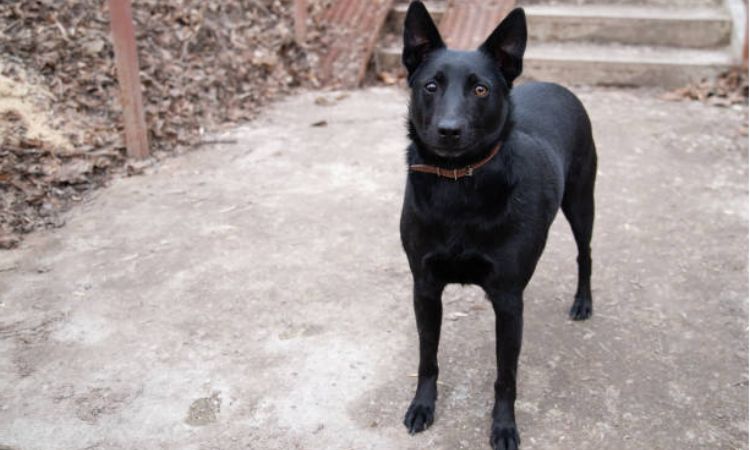
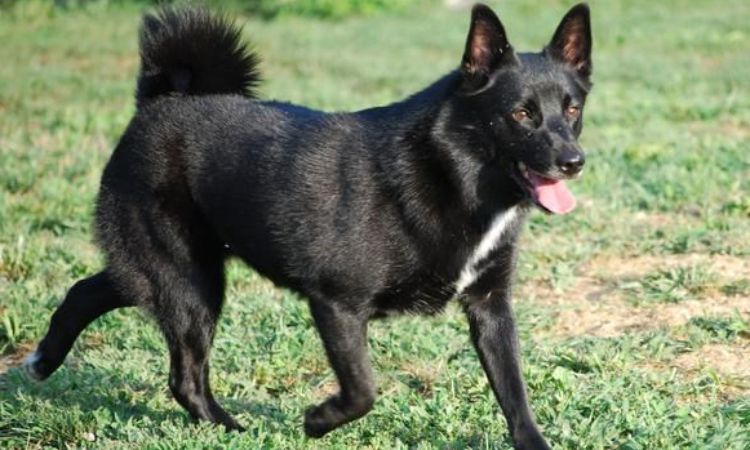
The Black Norwegian Elkhound presents a distinctly Nordic silhouette. Its weatherproof coat lies close to the body and provides exceptional protection against moisture and cold, allowing the dog to work efficiently in harsh Scandinavian conditions. Beneath that coat lies a compact and powerful Spitz-type build—square, muscular, and agile, with strong legs and a deep chest that support long hours of tracking and navigating difficult terrain. The head is clean and wedge-shaped, paired with upright, mobile ears and dark, expressive eyes that add to the breed’s sharp, alert expression. One of its most iconic features is its tightly curled tail, carried high and sweeping over the back in a firm loop. This curled tail, common among Spitz breeds, not only completes the Elkhound’s classic outline but also reflects its heritage as a resilient northern working dog.
Black Norwegian Elkhound Temperament & Personality
The Black Norwegian Elkhound is a remarkable breed, blending centuries of hunting heritage with loyalty, intelligence, and a spirited personality. Understanding their temperament is essential for potential owners, especially those searching for a highly active and intelligent companion.
1. Hunter’s Spirit
At their core, Black Norwegian Elkhounds are true hunters. Bred to track and corner large game such as moose, deer, and bears, they possess high energy, alertness, and remarkable courage. This hunter’s instinct makes them constantly aware of their surroundings, ready to investigate scents, sounds, or movement at a moment’s notice. Their stamina and enthusiasm for outdoor activity are unmatched, making them ideal for hiking, running, and other physically demanding activities. Without regular exercise and mental stimulation, these dogs can become bored, restless, or even destructive, underscoring the importance of keeping their minds and bodies engaged.
2. Affection and Loyalty
Despite their hunting roots, the Black Norwegian Elkhound is exceptionally devoted to its human family. Often forming a particularly strong bond with one person, they are known as “one-person dogs,” yet they remain friendly and welcoming to other household members and familiar visitors. This loyalty manifests in their constant desire for companionship: they enjoy being petted, cuddled, and included in family activities. Their affectionate nature, combined with their watchful instincts, makes them both a loving family companion and a vigilant household presence.
3. Independence and Intelligence
Black Norwegian Elkhounds are highly intelligent and independent thinkers. Their cleverness allows them to learn quickly, but it also means they can be stubborn or strong-willed, requiring consistent, positive reinforcement-based training. Owners who are patient and firm, yet gentle, will find that their Elkhound responds best when training is engaging and varied. Mental challenges, such as puzzle toys, scent work, and advanced obedience, are essential for keeping this breed satisfied and well-behaved.
4. Barking Tendencies
Historically, these dogs served as sounding hunters, using their bark to alert hunters of nearby game. As a result, the Black Norwegian Elkhound can be vocal, especially when excited, alert, or sensing something unusual. While not as bark-prone as the gray Elkhound, they will naturally “announce” visitors, wildlife, or changes in their environment. Owners should provide early training to manage excessive barking. Additionally, due to their deep attachment to their family, Black Norwegian Elkhounds may develop separation anxiety if left alone for extended periods, often manifesting as vocalization or restlessness. Crate training, enrichment activities, and daily exercise can help mitigate these tendencies.
5. Interaction with Children and Other Pets
Black Norwegian Elkhounds are generally good with older, respectful children, thriving in households where kids understand how to interact safely with pets. Their playful yet sturdy nature allows for enjoyable family interactions, though supervision is recommended to ensure harmonious play. When it comes to other pets, including cats and smaller animals, early socialization is essential. Their natural prey drive can lead them to chase small animals if untrained, so gradual introductions, positive reinforcement, and monitoring are key to fostering a peaceful multi-pet household.
Black Norwegian Elkhound Care Guide
Caring for a Black Norwegian Elkhound requires a combination of consistent grooming, proper nutrition, and ample physical activity to ensure they remain healthy, happy, and well-adjusted. This guide covers all the essential aspects of day-to-day care for this unique and rare Spitz breed.
Grooming Needs
The Black Norwegian Elkhound sports a dense, short double coat that is both coarse and weather-resistant, designed to protect the dog from harsh Scandinavian climates. While this coat is incredibly functional, it comes with significant grooming responsibilities.
- Shedding
Black Norwegian Elkhounds are moderate to heavy shedders, with two intense shedding periods—often referred to as “blowing coat” seasons—occurring in spring and fall. During these times, expect loose fur to accumulate quickly around the house, on furniture, and in clothing. Regular grooming is essential to minimize hair buildup and maintain coat health.
- Brushing
For most of the year, brushing the coat 2–3 times per week is sufficient to remove loose hairs, prevent matting, and distribute natural oils. During heavy shedding periods, daily brushing is recommended to keep the coat manageable and your home relatively hair-free. A pin brush or slicker brush works best for the longer guard hairs, while a finer undercoat rake can help remove the soft undercoat effectively.
- Bathing, Nails, and Ears
Black Elkhounds do not require frequent baths, as over-bathing can strip the coat of essential oils. Bathing every 2–3 months or when the dog is particularly dirty is sufficient. Routine ear checks and cleanings help prevent infections, especially since their upright ears can collect dust and debris during outdoor activity. Nails should be trimmed regularly, typically every 3–4 weeks, to prevent discomfort and injury. Regular paw checks are also recommended after long hikes or snowy walks to remove debris or ice balls between toes.
Exercise Requirements
A Black Norwegian Elkhound is highly energetic, bred for endurance, agility, and silent hunting. They require vigorous daily exercise to remain physically fit and mentally stimulated. Without proper activity, this breed may become bored, restless, or destructive.
Intensity: Daily activity should range from 60 to 90 minutes, ideally split into multiple sessions that challenge both mind and body. They thrive in cold climates but will still enjoy exercise in moderate conditions, provided they are not overheated.
Activities: To satisfy their natural drive, provide a mix of activities such as:
- Long walks or trail hikes to explore scents and terrain.
- Running or jogging alongside a human companion.
- Dog sports like agility, flyball, or skijoring (pulling on skis), which channel their hunting and endurance instincts.
- Scent-based games or hide-and-seek exercises to stimulate their tracking abilities.
Warning: Insufficient exercise can lead to behavioral problems, including excessive barking, digging, or destructive chewing. Mental stimulation is equally important; puzzle toys, obedience exercises, and interactive games help keep these clever dogs engaged and content.
Diet and Nutrition
The Black Norwegian Elkhound is a medium-sized, active breed with a healthy appetite, so proper nutrition is essential to maintain optimal weight and energy levels.
- Food Type
Choose a high-quality commercial dog food formulated for medium to large, active breeds. Foods rich in protein, healthy fats, and essential vitamins and minerals support their muscular build, high energy needs, and dense coat. Avoid low-quality fillers, which can contribute to weight gain and nutritional deficiencies.
- Portion Control
These dogs love to eat and may overconsume if given free access to food. Portion control is critical to prevent obesity, which can lead to joint problems, reduced mobility, and other health concerns. Feeding twice daily—morning and evening—is recommended, with the quantity based on age, weight, activity level, and veterinary guidance.
- Supplements
Generally, a balanced, AAFCO-approved diet will meet all their nutritional needs. Supplements should only be considered under the advice of a veterinarian, especially for joint support or coat health.
Training & Socialization
Training a Black Norwegian Elkhound can be both rewarding and challenging, as this breed combines remarkable intelligence with a strong independent streak—a hallmark of Spitz-type dogs. While their cleverness allows them to learn commands quickly, their inherent autonomy can sometimes translate into stubbornness, meaning they may test boundaries or choose to follow their instincts over your instructions. Successful training relies heavily on positive reinforcement, consistency, and patience; treats, praise, and engaging activities are far more effective than harsh corrections.
Early socialization is equally critical for Black Norwegian Elkhounds. Puppies must be gradually and positively exposed to different environments, noises, people, and other animals to ensure they grow into confident, well-adjusted adults. Without proper socialization, they may develop wariness or overprotectiveness, particularly toward strangers or unfamiliar dogs.
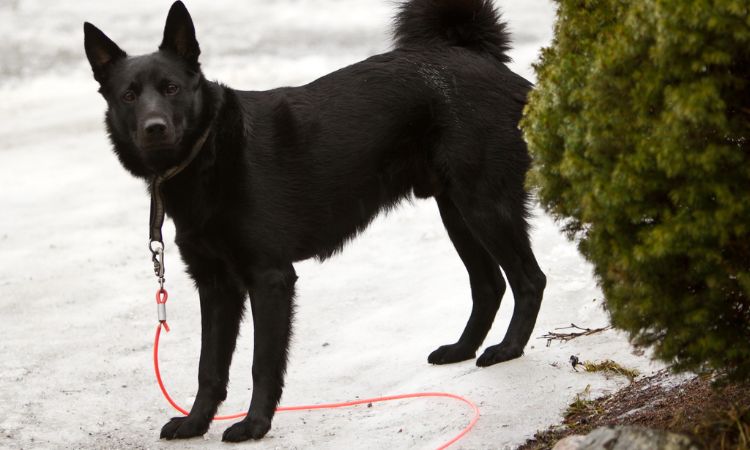
Given their strong hunting instincts and prey drive, leash training is essential from the start. Recall can be unreliable in open spaces, as the urge to chase small animals or explore scents can easily override obedience. Owners should provide a secure, fenced yard and always use a leash during walks until the dog reliably responds to commands.
Barking is another aspect that requires attention. Historically bred as sounding hunters, Black Norwegian Elkhounds naturally alert their humans with loud, distinctive barks. Training should focus on teaching acceptable barking—for instance, alerting to strangers or unusual activity—while discouraging excessive or nuisance barking. Techniques such as redirecting attention, rewarding quiet behavior, and consistent verbal cues can help maintain a balance between the breed’s natural vocal tendencies and household harmony.
Health and Wellness
The Black Norwegian Elkhound is generally considered a hardy and robust breed, with an average lifespan of 12 to 15 years, making them a long-term companion for families and active households. Despite their overall resilience, potential owners should be aware of common health concerns that can affect this breed. Among the most notable are hip dysplasia, a condition in which the hip joint does not form properly and can lead to pain or arthritis; patellar luxation, where the kneecap slips out of place, causing discomfort or mobility issues; progressive retinal atrophy (PRA), a genetic condition that gradually leads to vision loss; and hypothyroidism, which can result in weight gain, lethargy, and skin or coat problems if left untreated. Regular veterinary checkups, proper nutrition, and routine exercise are crucial to maintaining the dog’s health and longevity.
Choosing a reputable breeder is one of the most important steps in ensuring a healthy Black Norwegian Elkhound. Prospective owners should seek breeders who perform comprehensive health testing on both the puppy and the parents, including screenings for hip dysplasia, eye disorders, and other breed-specific conditions. Seeing official health clearances and certifications helps guarantee that the puppy comes from a responsible lineage with a lower risk of inherited issues. By prioritizing health-conscious breeding practices, owners can enjoy a long, active, and happy life with their Black Norwegian Elkhound.
Is the Black Norwegian Elkhound Right for You?
The Black Norwegian Elkhound is a remarkable and spirited breed, but it is best suited for a specific type of owner. Ideal owners are typically active, outdoor-oriented individuals or families who enjoy hiking, running, or other vigorous activities, as this breed requires a minimum of 60–90 minutes of daily exercise to stay healthy and happy. They thrive with people who have experience training independent, intelligent dogs, understanding the need for patience, consistency, and positive reinforcement. Due to their thick double coat and preference for cooler temperatures, they are most comfortable in colder climates where they can enjoy the outdoors safely.
Conversely, the Black Norwegian Elkhound is not recommended for first-time dog owners or those unfamiliar with handling strong-willed, independent breeds. They are also less suitable for apartment living unless the owner can commit to intense daily exercise and mental stimulation. Additionally, this breed is not a low-maintenance option for those seeking a non-shedding, quiet dog, as they are known for seasonal heavy shedding and can be vocal due to their hunter’s instinct and alertness. Potential owners should carefully consider their lifestyle and environment before welcoming a Black Norwegian Elkhound into their home, as these dogs thrive most when their energy, intelligence, and social needs are consistently met.