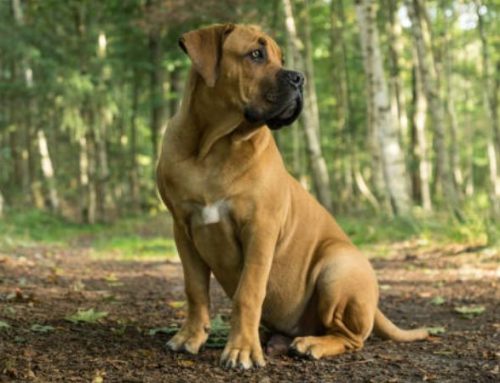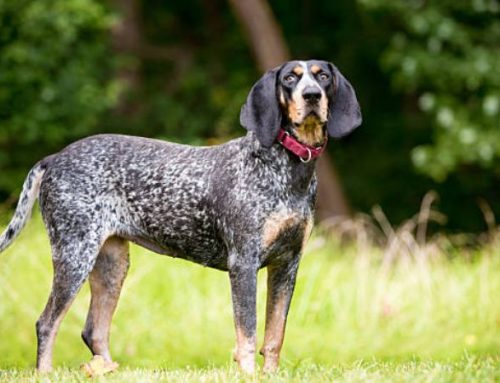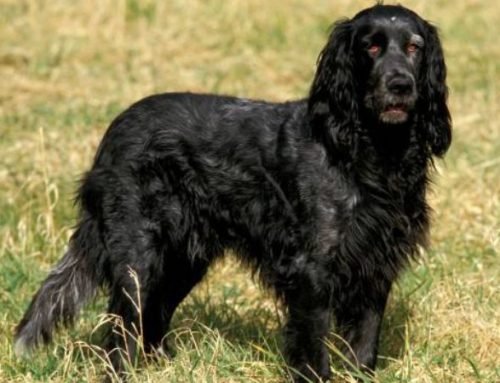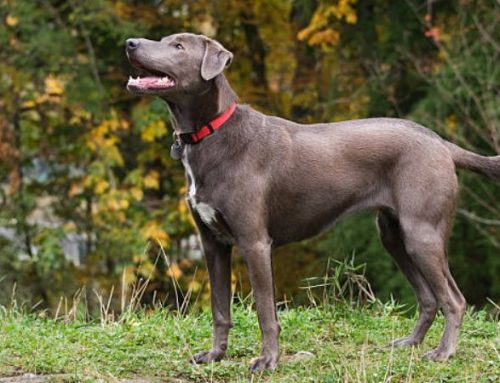

If you’ve ever imagined a dog with the nose of a detective and the heart of a gentle giant, the Bloodhound is that extraordinary companion. Towering at nearly two feet tall and carrying a solid, muscular frame, these scent-savvy hounds are as impressive in presence as they are in talent.
Renowned for their unparalleled tracking abilities, Bloodhounds combine a steadfast determination with a surprisingly affectionate and loyal nature, making them both remarkable working dogs and devoted family members. In this guide, we’ll explore everything from training tips and temperament traits to essential care insights for living harmoniously with these remarkable scent trackers.
Bloodhound Temperament and Personality
1. The Gentle Giant: Bloodhound Disposition With Families and Children
Despite their large size and imposing appearance, Bloodhounds are gentle giants at heart. They are exceptionally affectionate and “lovey-dovey” with their families, forming strong bonds with children and adults alike. Their natural patience and tolerance make them surprisingly good companions for younger kids, as they are willing to endure playful antics without frustration. Families looking for a loyal, calm, and loving dog will find a Bloodhound to be a dependable presence in their home. With proper supervision and guidance, a Bloodhound with kids can be both a playmate and a protective, comforting friend, seamlessly integrating into daily family life.
2. The Scenting Obsession: The Good and the Bad
Bloodhounds are legendary for their unparalleled tracking abilities. “The nose knows” is not just a saying for this breed—it defines much of their behavior. Their extraordinary olfactory senses can lead them to become intensely focused on a scent, sometimes to the point of tuning out everything else around them. This independence, while impressive, means owners must understand that a Bloodhound’s attention can be highly selective. On one hand, this focus makes them invaluable in search-and-rescue operations or scent-based activities. On the other hand, it can lead to mischief if they catch an interesting smell during walks or in the yard, highlighting the need for secure leashes and designated sniffing time. Owners who appreciate the breed’s scent-driven nature learn to provide structured outlets that satisfy their tracking instincts while maintaining household harmony.
3. Bloodhound Socialization
Proper socialization is crucial to ensure a well-rounded Bloodhound. These dogs are naturally pack-oriented, which helps them adapt to other dogs and familiar people when introduced thoughtfully. However, Bloodhounds can be wary of strangers and may require consistent exposure to different environments and people from an early age. Their deep, resonant bark or howl is part of their heritage as trackers, alerting their pack—or their humans—when something is amiss. For those wondering, “Do Bloodhounds bark a lot?”, the answer is that they generally use their voice selectively, often when they detect unusual scents or feel the need to communicate. With ongoing socialization and training, their vocal tendencies can be managed effectively, ensuring they remain friendly, approachable, and safe companions in both home and public settings.
Bloodhound Training and Exercise
The Challenge of Bloodhound Training
Training a Bloodhound can be both rewarding and demanding due to their independent nature and well-known stubborn streak. Unlike some highly eager-to-please breeds, Bloodhounds have a mind of their own, especially when they catch an interesting scent. This strong scenting instinct can make them appear inattentive or “tuned out” during training sessions.
Patience is essential when working with a Bloodhound. Positive reinforcement methods, such as using treats, praise, and consistent rewards, are far more effective than harsh corrections. Short, engaging, and frequent training sessions work best, as long sessions can quickly result in boredom and decreased focus. Training should focus on establishing boundaries, recall, and basic obedience, while acknowledging that their tracking drive may temporarily override your commands.
Leash training is non-negotiable. A Bloodhound’s natural curiosity and tracking instinct can lead them to wander off or chase a scent with surprising speed and determination. Using a strong, reliable leash and a well-fitting harness is crucial, especially during walks or outings in open spaces. A harness also helps reduce strain on the neck, which is important given their size and droopy skin around the face.
Bloodhound Puppy Training Essentials
Starting training early is critical for setting your Bloodhound up for success. Crate training is highly recommended, as it helps puppies learn boundaries, promotes housebreaking, and provides a safe, secure space for rest. Consistency in crate use, combined with positive reinforcement, helps puppies develop confidence and reduces anxiety.
Housebreaking should begin as soon as your puppy comes home. Frequent bathroom breaks, positive reinforcement, and supervision are key. Bloodhounds, with their independent streak, can take longer than some breeds to fully grasp house rules, so patience and consistency are essential.
Early socialization is equally important. Expose your Bloodhound puppy to a variety of people, environments, sounds, and other animals. This not only encourages confidence but also helps reduce fearfulness or aggression later in life. Basic obedience training—sit, stay, recall, and gentle leash walking—should be introduced gradually. Short, fun sessions with rewards work best, keeping your puppy motivated while developing good habits from an early age.
Exercise Requirements for a Large Scent Hound
Bloodhounds are active dogs with moderate to high energy levels, requiring regular physical activity to stay healthy and mentally balanced. Adults typically need 1–2 hours of exercise per day, which can include brisk walks, jogs, and safe playtime. Puppies require shorter, gentler sessions on soft surfaces to protect their developing bones and joints. Overexertion at a young age can cause long-term joint issues, so exercise should always be age-appropriate.
Mental stimulation is just as important as physical exercise. Bloodhounds thrive on scent work and tracking games, which allow them to engage their incredible noses. Puzzle toys, scent trails, and “find it” games are excellent ways to challenge your dog’s mind while satisfying their natural instincts. Engaging a Bloodhound in activities that combine physical and mental exercise prevents boredom and reduces destructive behaviors that often arise from inactivity.
Managing the Roaming Instinct
One of the most important considerations for Bloodhound owners is managing their instinct to roam and track scents. Even the most well-trained Bloodhound can be driven to follow a scent for miles if given the opportunity. For this reason, a secure, high fence around your yard is essential. A Bloodhound that escapes or wanders can quickly get into dangerous situations due to their size and determination.
When outside, even for play or exercise, Bloodhounds should be supervised at all times. Using a long training leash or enclosed exercise area allows them to explore and satisfy their tracking instincts safely. Properly channeling this instinct through controlled activities not only keeps your Bloodhound safe but also reinforces training and strengthens your bond.
Bloodhound Care Essentials
Owning a Bloodhound is a rewarding experience, but it comes with specific care requirements to keep these gentle giants healthy and happy. Their size, droopy features, and unique physiology demand attention to grooming, ear and wrinkle care, and diet.
1. Bloodhound Grooming Needs
Coat Care
Bloodhounds have a short, dense coat that is relatively low-maintenance compared to long-haired breeds. While they do shed moderately, especially during seasonal changes, their grooming needs are straightforward. Weekly brushing with a soft-bristle brush or grooming mitt is usually sufficient to remove loose hair and maintain a healthy coat. Bathing is only necessary every few months, or more often if the dog develops a noticeable odor. Overbathing can strip natural oils, leading to dry skin.
Managing the Drool
One of the more challenging aspects of owning a Bloodhound is drooling. Their large jowls and loose lips tend to accumulate moisture, especially after meals or when excited. This drool can cause staining on furniture and clothing if left unchecked. A practical approach is to carry a small cloth or dog-friendly wipes to clean their mouth throughout the day. Some owners also keep a dedicated drool mat in eating areas or during car rides to manage excess moisture.
2. Wrinkle and Ear Care: Preventing Infections
Facial Wrinkle Cleaning
Bloodhounds’ signature facial wrinkles and folds are adorable but can trap moisture, dirt, and debris, creating a breeding ground for bacteria. Daily cleaning of the wrinkles using a damp cloth or pet-safe wipe helps prevent irritation and infections. After cleaning, make sure the folds are thoroughly dried to reduce the risk of dermatitis.
Ear Maintenance
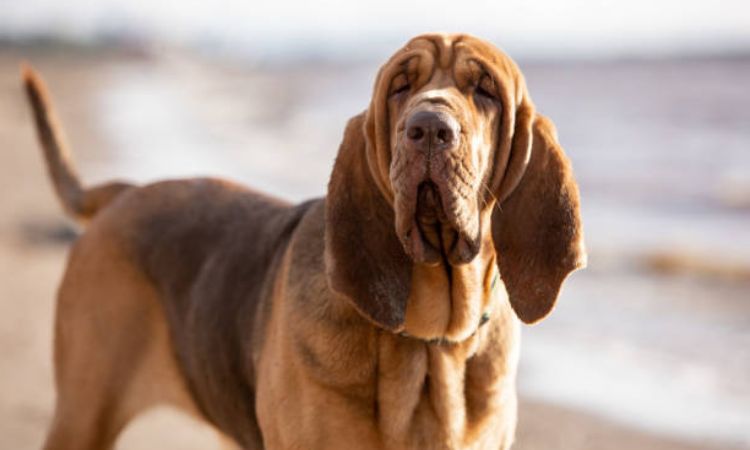
Bloodhounds are prone to ear infections due to their long, pendulous ears that limit airflow and trap moisture. These floppy ears require weekly inspection and cleaning with a veterinary-approved ear cleanser, especially after swimming or bathing. Signs of infection include redness, foul odor, discharge, or excessive scratching. Preventative care is much easier than treating infections once they develop, making routine ear cleaning a non-negotiable part of Bloodhound grooming.
Key phrase: Bloodhound ear infections are common but highly preventable with consistent weekly maintenance and attention to moisture control.
3. Bloodhound Diet and Nutrition
High-Quality Food Recommendations
Bloodhounds are large, deep-chested dogs, and their diet must support their size, activity level, and joint health. A premium, large-breed formula is recommended for both puppies and adults. These diets typically contain balanced protein for muscle development, healthy fats for energy, and essential vitamins and minerals to maintain overall wellness.
For joint support, supplements containing glucosamine, chondroitin, and omega-3 fatty acids can be beneficial, particularly for growing puppies or older dogs with hip or elbow concerns.
Feeding Schedule: Puppies vs. Adults
- Puppies (up to 6 months): Feed 3–4 smaller meals daily to support rapid growth and reduce strain on developing joints.
- Older puppies (6–12 months): Transition to 2–3 meals per day as growth slows.
- Adult Bloodhounds (1+ year): Typically fed 2 meals per day, though individual energy levels may require minor adjustments.
Feeding multiple smaller meals instead of one large meal helps prevent overeating and reduces the risk of gastric dilatation-volvulus (GDV or bloat), a life-threatening condition common in deep-chested breeds like Bloodhounds. Avoid raised food bowls and rigorous exercise immediately before or after meals to further minimize the risk.
Monitoring and Adjustments
Keep an eye on your Bloodhound’s weight and body condition. These dogs have a tendency to overeat if given the chance, which can exacerbate joint problems or increase the likelihood of bloat. Consult with your veterinarian to determine the exact portion sizes and dietary adjustments for your dog’s age, weight, and activity level.
Caution: Bloat (Gastric Torsion) is a serious and potentially fatal condition. Recognizing early warning signs—distended abdomen, retching without vomiting, restlessness, drooling, or signs of discomfort—requires immediate veterinary attention.
History and Fun Facts
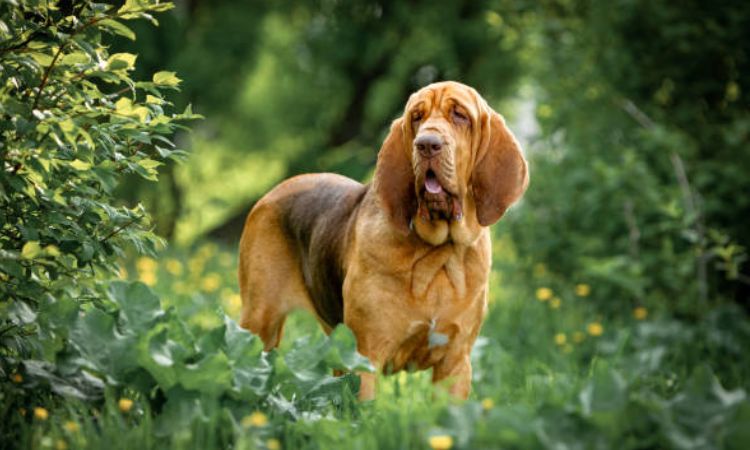
The Bloodhound is a breed steeped in centuries of history, with roots tracing back to medieval Europe. While the exact origins are somewhat murky, historical records suggest that monks in Belgium played a crucial role in developing the breed, selectively breeding dogs for their extraordinary scenting abilities and endurance. These hounds were highly valued by royalty and nobility for hunting large game, and their intelligence and persistence earned them a reputation as elite tracking dogs. Over time, the Bloodhound’s distinct appearance—loose skin, long droopy ears, and solemn expression—became a hallmark of the breed, combining function with a dignified, almost regal presence.
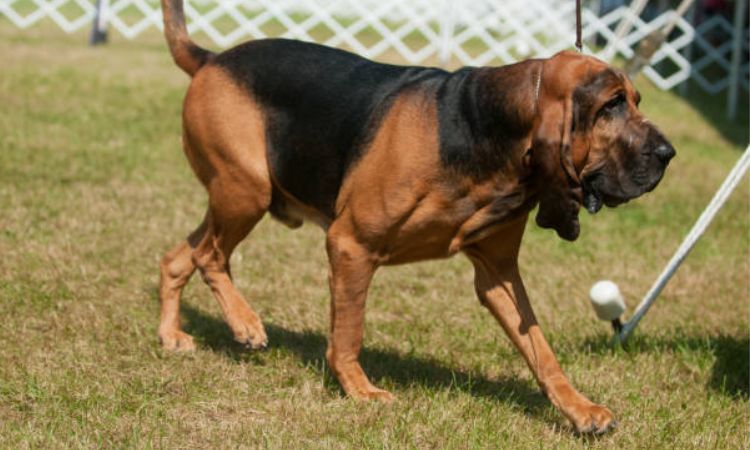
Bloodhounds are famously known as the “Sleuth Hound” due to their unmatched tracking skills. Their sense of smell is so powerful—estimated to be 1,000 times more sensitive than a human’s—that trails they follow can be used as legal evidence in courts of law. This unique ability has made them indispensable in law enforcement and search-and-rescue operations worldwide, capable of locating lost persons, fugitives, or evidence over vast and challenging terrain. At home, this same instinct drives their curiosity and can sometimes lead them to wander if not carefully supervised. The Bloodhound tracking ability is a defining characteristic, making them both remarkable working dogs and fascinating companions.
The Bloodhound has been formally recognized by major kennel clubs for over a century. The American Kennel Club (AKC) officially acknowledged the breed in 1885, while the United Kennel Club (UKC) also provides standards and guidelines for breeding and showing Bloodhounds. Breed standards describe the ideal physical traits, temperament, and performance expectations, ensuring that Bloodhounds maintain the qualities that have made them legendary scent hounds. Today, enthusiasts and breeders worldwide follow these standards to preserve the Bloodhound’s noble appearance, gentle temperament, and extraordinary tracking abilities.