
When most people think of guard dogs, images of alert Dobermans, imposing Rottweilers, or fiercely protective German Shepherds come to mind. Bloodhounds, however, occupy a very different niche in the canine world. Renowned for their legendary sense of smell, droopy ears, and gentle, almost solemn demeanor, these large scent hounds were bred to track lost people and game over long distances—not to intimidate intruders.
But does their size, loyalty, and pack-oriented nature give them any potential as a home protector? In this guide, we’ll explore the unique temperament, instincts, and behaviors of Bloodhounds to uncover whether these legendary trackers can also serve as reliable guardians for your family and property.
Are Bloodhounds Good Guard Dogs?
Despite their large size and deep, booming bark, Bloodhounds are generally not suited for guarding or protection roles. Their natural temperament is friendly, gentle, and non-aggressive, making them more likely to greet strangers with curiosity—or even a wagging tail—rather than to act defensively. Unlike traditional guard dogs, Bloodhounds lack strong territorial instincts and do not possess an innate drive to confront or deter intruders.

While individual Bloodhounds may sometimes bark or alert their owners to unfamiliar visitors, this behavior is inconsistent and usually does not extend to active protection. Their focus is on tracking and scent work rather than on intimidating potential threats. For families seeking a dog specifically for home security, breeds such as Rottweilers, Dobermans, German Shepherds, or Bullmastiffs are more reliable choices.
Ultimately, Bloodhounds excel as loving family companions and extraordinary tracking dogs, but their friendly nature and laid-back disposition mean they are better suited for companionship than guarding.
Strengths as Trackers
Bloodhounds are world-renowned for their extraordinary olfactory abilities, often considered the best among all dog breeds. Their sense of smell is so acute that they can follow a human scent trail that is days old, even over long distances and challenging terrain. This remarkable tracking ability has been recognized and utilized for centuries, from medieval European hunting to modern search-and-rescue operations and law enforcement investigations. Bloodhounds have assisted police in locating missing persons, escaped prisoners, stolen items, and lost pets, and in some cases, their tracking results have been admissible as evidence in court due to their reliability and accuracy.
Physically, Bloodhounds are built for endurance. Their long, droopy ears and loose facial skin are not just distinctive features—they serve a functional purpose, helping to sweep scent particles toward their sensitive noses as they track. Their muscular bodies, steady gait, and high stamina allow them to pursue trails for hours or even an entire day without tiring, making them highly effective in both organized tracking and casual scent work.
While this incredible skill makes Bloodhounds invaluable as trackers, it is important to note that it does not correlate with protective or guard instincts. Unlike breeds developed for defense, Bloodhounds are generally gentle, friendly, and non-territorial, meaning they are more likely to follow a scent than to confront an intruder. Their talents are best appreciated in roles that rely on persistence, focus, and scent detection rather than aggression or protection.
In addition to professional tracking work, this skill can be harnessed for enrichment at home, such as scent-based games, hiding treats, or practicing mantrailing exercises, which help keep a Bloodhound mentally stimulated and satisfy their natural instincts in a safe environment.
Better Guard Dog Alternatives
For families or individuals seeking a dog specifically for protection, alertness, and territorial defense, certain breeds are far more suitable than a Bloodhound. While Bloodhounds excel at tracking scents and making excellent family companions, they lack the natural guarding instincts and assertiveness required to deter intruders or provide reliable home security. The following breeds are widely recognized for their protective nature, trainability, and loyalty, making them superior options for a guard dog role.
Rottweiler: Loyal and Trainable Protectors
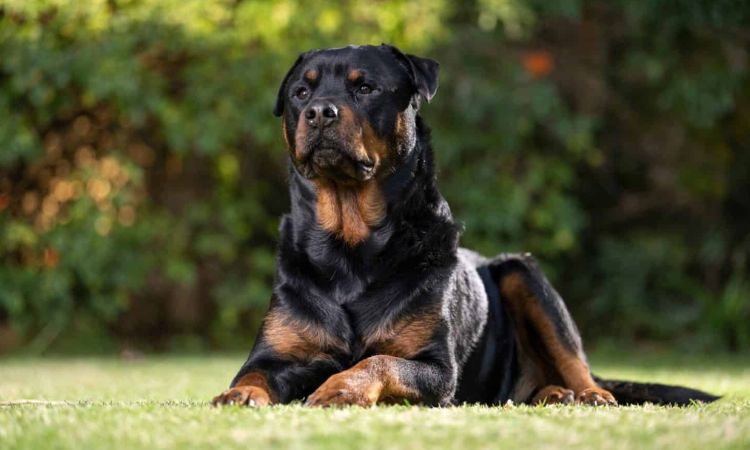
Rottweilers are renowned for their unwavering loyalty, intelligence, and strong protective instincts. Historically bred to drive cattle and protect their owners’ property, they naturally combine strength with a keen sense of territorial awareness. A properly socialized Rottweiler is calm and confident with family members and familiar people but will instinctively challenge strangers who pose a threat. They respond well to consistent, firm, and positive training, making them highly trainable and adaptable to both family life and protective duties. Their imposing size, muscular build, and attentive nature also make them excellent deterrents, as potential intruders are often discouraged by their presence alone.
German Shepherd: Versatile Guardians with Strong Instincts
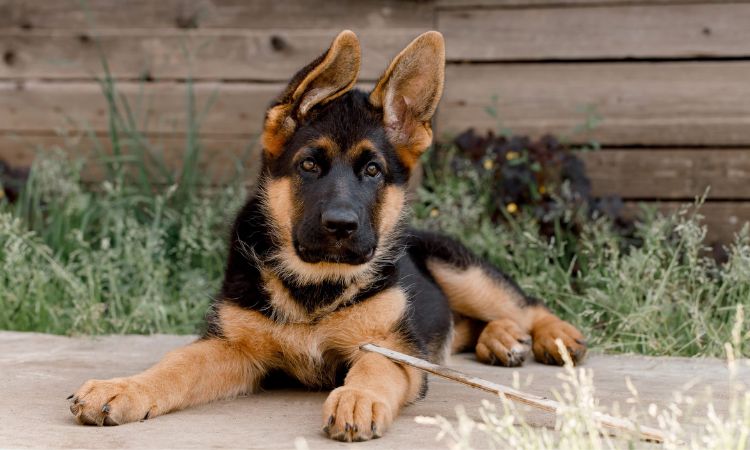
German Shepherds are among the most widely recognized guard and service dog breeds due to their intelligence, adaptability, and innate guarding instincts. They are highly versatile, excelling in roles ranging from police and military work to search-and-rescue and personal protection. German Shepherds are naturally alert and possess a strong protective drive, allowing them to assess potential threats and respond appropriately. With proper socialization and training, they are both reliable protectors and devoted family companions. Their combination of loyalty, courage, and trainability makes them a go-to choice for those who need a dog capable of both defense and companionship.
Doberman Pinscher: Muscular, Alert, and Watchful
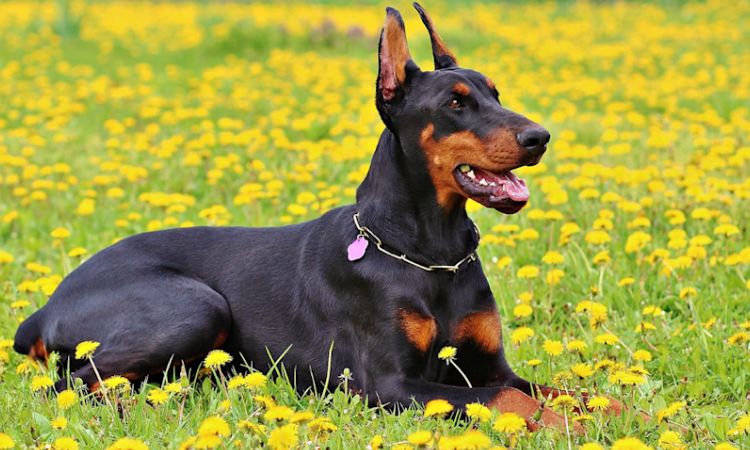
Doberman Pinschers are sleek, muscular dogs known for their speed, alertness, and unwavering focus on potential threats. Bred initially for protection and as guard dogs, Dobermans are naturally vigilant and highly attuned to their environment. They form deep bonds with their families and are fiercely protective of loved ones, making them excellent watchdogs. While they require consistent training and firm guidance due to their strong-willed nature, Dobermans respond well to structured environments and positive reinforcement. Their combination of agility, intelligence, and protective instinct allows them to act decisively when danger is present, while remaining calm and affectionate within the household.
These breeds—Rottweilers, German Shepherds, and Doberman Pinschers—offer the combination of loyalty, strength, vigilance, and trainability that makes them far more reliable choices for families seeking protection than a Bloodhound. Each breed requires responsible ownership, proper socialization, and structured training to maximize their guarding potential while ensuring they remain safe, well-adjusted members of the household.