
With their striking blue-speckled coats and boundless energy, Bluetick Coonhounds are a breed that commands attention both in the field and at home. These intelligent, athletic dogs are generally healthy, but like many deep-chested breeds, they can be prone to certain risks, such as bloat—a serious condition that requires prompt attention.
Beyond their health considerations, Blueticks captivate owners with their loyalty, sharp noses, and unique blend of courage and charm, making them both exceptional hunting companions and devoted family pets.
Introduction to the Bluetick Coonhound
The Bluetick Coonhound is an iconic American breed celebrated for its exceptional scenting abilities, athleticism, and distinctive appearance. Developed primarily in the southern United States, this breed was meticulously bred for tracking game—most notably raccoons, but historically also larger prey such as wild boar and bears. Its lineage traces back to a blend of French Grand Bleu de Gascogne hounds, gifted to George Washington by Marquis de Lafayette, crossed with English Foxhounds, American Foxhounds, cur dogs, and Black and Tan Virginia Foxhounds. This careful breeding produced a dog with remarkable stamina, a “cold nose” capable of following days-old scents, and a persistent, determined work ethic.
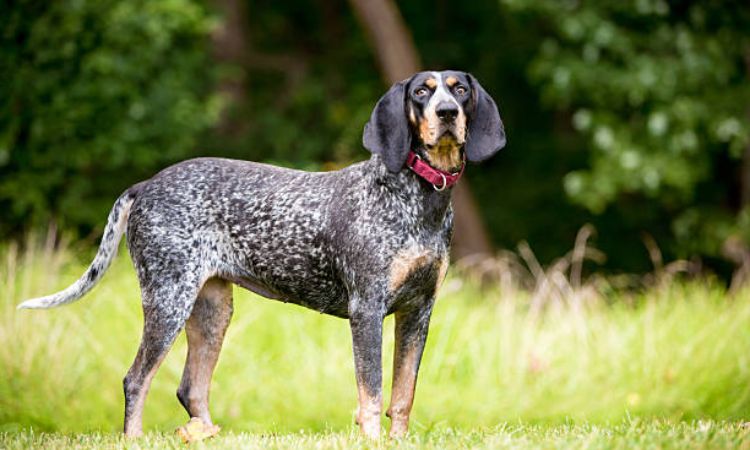
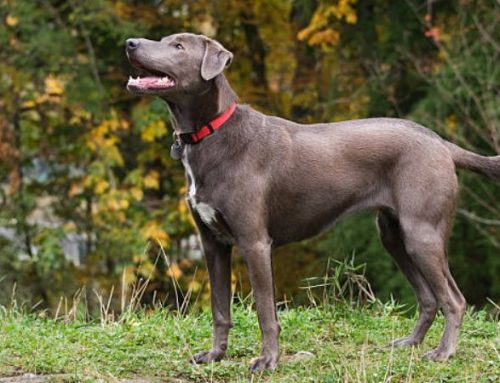
Bluetick Coonhounds are instantly recognizable by their short, glossy coats marked with the signature black-on-white speckles, which give the impression of a deep blue hue—hence the name “Bluetick.” Their muscular, yet sleek build, long drooping ears, and expressive eyes convey both elegance and alertness, reflecting the breed’s dual nature as both a tireless hunter and a loyal, affectionate companion. Beyond their hunting prowess, Blueticks are known for their loud, distinctive baying—a trait prized in hunters for tracking prey but also a characteristic to consider in domestic life.
While rooted in hunting, the Bluetick Coonhound has evolved into a versatile breed that thrives in active family homes, particularly with older children or experienced dog owners. Their intelligence, tenacity, and strong prey drive make them highly trainable yet demanding, requiring consistent mental stimulation, daily exercise, and early socialization. Understanding the Bluetick Coonhound’s origins, temperament, and instincts provides essential insight for anyone considering welcoming one of these remarkable hounds into their home.
Bluetick Coonhound Size: Height and Body Build
Adult Height Range
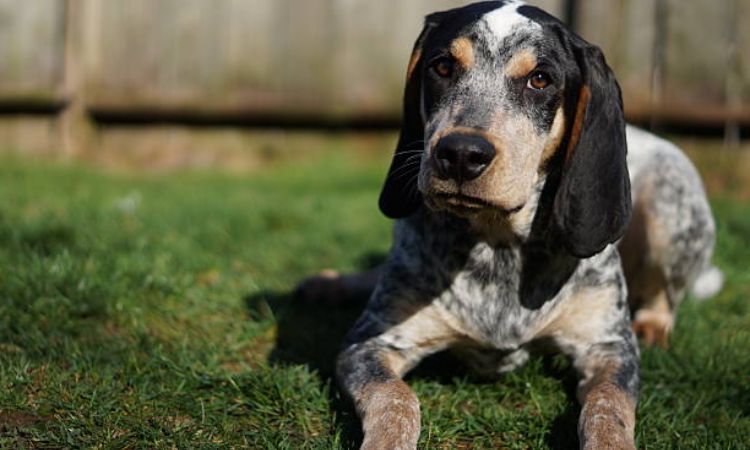
Bluetick Coonhounds are medium to large-sized dogs with a commanding yet sleek presence. Adult males typically stand between 22 and 27 inches at the shoulder, while females are slightly smaller, ranging from 21 to 25 inches. This height, combined with their strong, long legs, provides the breed with exceptional stride length and endurance, traits that were historically critical for tracking game over rugged terrain. Their deep, broad chests allow for expanded lung capacity, supporting sustained activity during hunts that could last for hours. Even at rest, the Bluetick’s posture conveys a blend of strength and agility, showcasing a dog built for performance rather than bulk.
Body Length and Overall Proportions
The Bluetick Coonhound’s body is slightly longer than it is tall, giving it a racy, athletic silhouette. Muscular yet streamlined, these dogs are designed for stamina and speed rather than sheer mass. Their strong hindquarters and well-angulated rear legs propel them forward efficiently, while their moderately bent hocks absorb impact during long runs and rough terrain traversal. The neck is moderately long, complementing the head’s elegant carriage, and the tail is typically carried high but not stiff, adding balance and expression. This combination of height, length, and muscular definition requires ample daily exercise to maintain fitness, making a spacious yard or secure outdoor area almost essential for households with a Bluetick. Apartment living is possible for highly committed owners, but it demands rigorous and consistent walks, play sessions, and mental stimulation to prevent boredom and destructive behaviors.
Growth Stages: Puppy to Adult
Bluetick Coonhounds grow rapidly in their first year, with most puppies reaching their full shoulder height by 12 to 14 months of age. However, males may continue to “fill out” in muscle and bulk until around 18 to 24 months, while females generally complete their growth slightly earlier. During this period, it is crucial to monitor exercise intensity to protect developing joints and prevent overexertion, especially in large males. Puppies benefit from low-impact activities, such as controlled walks and gentle play, while avoiding excessive jumping or rough surfaces that could strain growing bones. Nutrition plays a key role in healthy growth—feeding a balanced, age-appropriate diet helps maintain optimal weight and supports joint health. Regular veterinary check-ups are recommended to track growth milestones, ensuring your Bluetick develops a strong, athletic frame ready for a lifetime of activity.
Bluetick Coonhound Weight: What’s Healthy?
Maintaining a healthy weight is a critical aspect of caring for a Bluetick Coonhound. These medium-to-large hounds are athletic dogs with muscular builds designed for endurance, agility, and sustained hunting activity. Their ideal weight varies based on sex, age, genetics, and lifestyle, making it important for owners to understand what “healthy” looks like and how to manage it effectively.
1. Typical Adult Weight Range
Adult Bluetick Coonhounds fall into a clearly defined medium-to-large size category:
- Males: Typically weigh between 55 and 80 pounds
- Females: Typically weigh between 45 and 65 pounds
This range accommodates the breed’s natural size variations, from active hunting dogs to companion pets. For working or field Blueticks, their muscular activity may place them toward the leaner end of the scale, whereas less active family pets might trend toward the higher end if diet and exercise aren’t carefully monitored.
It’s important to remember that weight alone doesn’t define a healthy dog. Activity level, body composition, and overall fitness must all be considered when assessing your Bluetick’s health. A working hunter requires more calories and may appear leaner without being underweight, whereas a home-bound dog may need calorie control to avoid weight gain.
2. Ideal Body Condition Score
A healthy Bluetick Coonhound should display a well-proportioned, athletic physique:
- Waistline: Noticeable taper behind the ribs when viewed from above
- Ribs: Easily felt under a thin layer of muscle and fat without being visible
- Muscle tone: Defined but not bulky; strong legs and shoulders for stamina
Maintaining a lean body condition is not just about appearance—it’s crucial for protecting joints, supporting mobility, and extending lifespan. Excess weight can stress hips, elbows, and knees, particularly in a breed prone to orthopedic concerns like hip dysplasia. Keeping a Bluetick fit ensures they remain agile, resilient, and capable of enjoying long hikes, play sessions, and hunting excursions.
3. Common Weight Issues and How to Manage Them
Even active breeds like Bluetick Coonhounds can develop weight problems if their diet and exercise are not properly managed.
Common concerns include:
- Obesity: Signs include difficulty feeling ribs, a broad or sagging waist, lethargy, and difficulty exercising. Overweight dogs are more prone to joint pain, heart problems, and shorter lifespans.
- Underweight: Signs include visible ribs, spine, or hip bones, a lack of muscle mass, or low energy. Underweight dogs may need more calories, higher-protein diets, or medical evaluation to rule out underlying health issues.
Practical management tips:
- Portion control: Follow veterinarian recommendations and avoid free-feeding. Adjust meals according to your dog’s activity level and age.
- Regular exercise: Ensure at least 60–90 minutes of daily activity, including walks, play, and scent-based games to engage both body and mind.
- Monitor body condition: Use a simple scale from 1–9 (with 5 being ideal) to track your dog’s weight and adjust feeding or activity accordingly.
- Vet guidance: Regular check-ups allow for early detection of weight-related health issues and provide an opportunity to tailor diet plans with professional input.
By carefully monitoring your Bluetick Coonhound’s weight and implementing these strategies, you ensure that your dog remains strong, healthy, and capable of performing both as a beloved family companion and a skilled hunter.
Coat Colors and Markings
Standard Colors for Bluetick Coonhounds
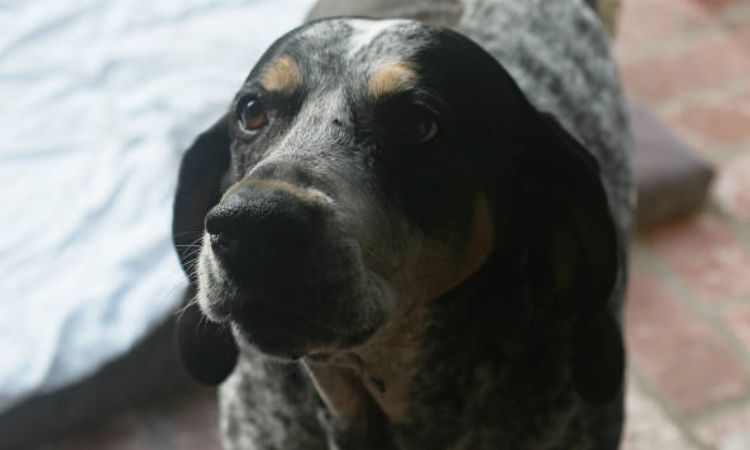
The defining feature of the Bluetick Coonhound is its blue-ticked coat, a pattern created by black ticking over a white base. This unique ticking gives the dog an overall bluish appearance from a distance, which is where the breed derives its name. The blue-ticked coat can vary in intensity, from a subtle sprinkling of black flecks to dense ticking that creates a deeper, richer blue hue.
Bluetick Coonhounds may appear in two accepted color combinations:
- Blue ticked alone – a clean black-on-white ticking pattern without additional markings.
- Blue ticked with tan points – small areas of tan may appear on the face, legs, chest, and under the tail. Both color combinations meet the breed standard and are commonly seen in show-quality dogs.
The balance of colors is important: there should generally be more blue ticking than black or white across the body, with the head and ears usually darker. This color distribution creates the classic, recognizable Bluetick look.
Typical Markings and Patterns
In addition to the primary blue-ticked coat, Bluetick Coonhounds often exhibit distinct markings that enhance their appearance. Common features include:
- A facial blaze running from the nose up the center of the forehead.
- Tan points over the eyes (giving a “raised eyebrow” effect), on the cheeks, chest, feet, and under the tail.
The ticking pattern can also vary in density, creating either heavier, more concentrated ticking, which gives a darker overall appearance, or more open patches, where white dominates with sparser black flecks. These variations affect the dog’s overall visual impression but do not impact the breed’s recognition or functionality.
These markings, combined with the signature blue-ticked coat, make each Bluetick unique while still adhering to breed standards.
Coat Texture and Shedding
Bluetick Coonhounds have a short, dense, and smooth coat that lies close to the body, giving them a sleek and glossy appearance. This type of coat is low-maintenance and durable, suitable for both indoor and outdoor life, and ideal for a dog that may spend time hunting or running in various terrains.
Shedding is moderate. While they do lose hair year-round, regular care keeps their coat healthy and minimizes loose hairs around the home. A weekly brushing with a soft-bristled brush or grooming glove is usually sufficient to remove dead hairs and distribute natural oils. Occasional baths are needed if the dog becomes particularly dirty or develops odors, but over-bathing can dry out the skin.
Overall, the Bluetick’s coat combines beauty and practicality: visually striking, easy to maintain, and perfectly suited for the breed’s active, outdoor lifestyle.
Bluetick Coonhound Lifespan and Health
Average Lifespan
The Bluetick Coonhound is a robust and hardy breed, with an average lifespan of 11 to 12 years. This is fairly typical for medium-to-large hound breeds, though individual longevity can vary depending on genetics, activity level, and overall care.
Their size—males generally weighing 55–80 pounds and females 45–65 pounds—places them in the “medium-large” category, meaning their skeletal and joint health must be carefully maintained to support a full lifespan. Active Blueticks, particularly those who enjoy regular hunting, hiking, or other endurance activities, often maintain a leaner body condition, which can positively impact their longevity. By contrast, less active pets with limited exercise may experience earlier onset of obesity-related issues, potentially shortening lifespan compared with well-managed, active counterparts.
Compared to similar hound breeds like the Redtick Coonhound or American Foxhound, Blueticks tend to share comparable lifespans, though their predisposition to certain health concerns—especially bloat and ear infections—requires attentive care.
Common Health Concerns
While generally healthy, Bluetick Coonhounds can be susceptible to several breed-specific conditions that owners should monitor:
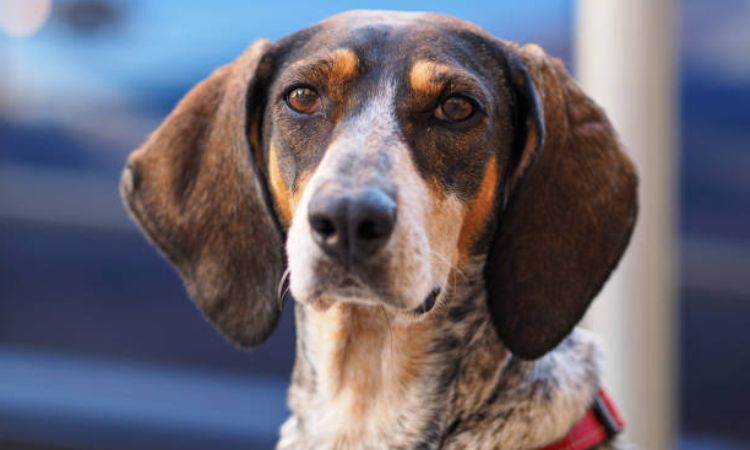
- Ear Infections: Their long, floppy ears create a warm, moist environment where bacteria and yeast can thrive. Regular cleaning with veterinarian-approved solutions helps prevent infections and chronic ear problems. Signs of infection include redness, foul odor, frequent scratching, head shaking, or discharge.
- Hip and Joint Issues: Hip dysplasia is a concern in many medium-to-large hounds, and Blueticks are no exception. Maintaining a healthy weight and providing joint-support supplements as needed can help protect hips and knees over the dog’s lifetime.
- Bloat (Gastric Dilatation and Volvulus, GDV): Deep-chested breeds like Blueticks are at higher risk for bloat, a potentially life-threatening condition where the stomach twists, cutting off blood supply. Symptoms can include retching without vomiting, a swollen abdomen, restlessness, panting, drooling, racing heartbeat, or collapse. Preventive strategies include multiple small meals per day, limiting vigorous activity right after eating, and avoiding excessive water intake immediately after meals.
- Other Conditions: Cataracts, hypothyroidism, obesity, and minor working injuries from hunting or high-impact activities may also occur. Early detection through regular veterinary checks can mitigate severity and improve outcomes.
Regular veterinary screenings, including hip and joint evaluations, eye exams, and routine blood work, are crucial to identifying potential issues before they become serious, ensuring a healthier, longer life.
How to Help Your Bluetick Live Longer
Owners can take several proactive steps to maximize the health and longevity of their Bluetick Coonhound:
- Weight Management: Keeping your Bluetick within an ideal body condition is critical. Obesity places undue stress on joints, contributes to cardiovascular strain, and increases the risk of bloat. Use portion control, high-quality dog food, and avoid overfeeding treats.
- Daily Exercise: Blueticks are high-energy dogs built for endurance. Providing 60–90 minutes of daily activity, including walks, jogs, scent games, or hiking, helps maintain physical fitness, supports mental stimulation, and reduces stress-related behaviors.
- Balanced Diet: Feeding a nutritionally complete diet tailored to the dog’s age, weight, and activity level ensures proper growth, healthy skin and coat, and strong immune function. Omega-rich oils or joint supplements may be beneficial, especially for older or highly active dogs.
- Preventive Care: Routine veterinary visits, vaccinations, parasite control, dental care, and regular ear cleaning are essential. Preventive maintenance allows early detection of issues like ear infections or dental disease, which can otherwise affect overall health and longevity.
- Environmental Safety: Providing a safe, securely fenced outdoor space helps prevent accidents, while leash walks and supervision limit risk during scent-driven adventures.
By combining these strategies—exercise, nutrition, preventive care, and weight management—owners can help their Bluetick Coonhound enjoy a long, active, and healthy life, fully leveraging the breed’s stamina, intelligence, and affectionate nature.
Living With a Bluetick Coonhound
Suitability for Families, Kids, and Other Pets
Bluetick Coonhounds are known for their affectionate and loyal nature, making them generally very good companions for families. When properly socialized from a young age or carefully introduced as adults, they tend to be gentle and playful with children, enjoying interactive games and family activities. Their calm and docile demeanor indoors, coupled with their loyalty, allows them to become a loving presence in family life.
With other dogs, Blueticks usually do well when socialization is handled appropriately. They can coexist peacefully with other canine companions, and their social skills often extend to animals encountered during walks or at the vet, including smaller pets like rabbits, as long as supervision is maintained.
However, a crucial consideration for households with small pets—such as cats, guinea pigs, or birds—is the Bluetick’s strong hunting instincts. Bred historically for tracking raccoons and other small game, they may be drawn to chase or engage with smaller animals if given the opportunity. Owners should be cautious when introducing a Bluetick to such pets and ensure that boundaries, supervision, and gradual acclimation are prioritized to prevent unwanted chasing behaviors.

Home Environment and Training Tips
Bluetick Coonhounds thrive best in active households where they receive regular exercise and mental stimulation. A fenced yard is highly recommended, allowing the dog to explore safely while satisfying its natural curiosity. While they can adapt to indoor living, a lack of activity can lead to boredom or minor destructive behaviors. Long walks, hiking, and interactive play are essential not only for physical health but also to maintain a well-adjusted temperament.
Training a Bluetick requires patience, consistency, and an understanding of their independent and sometimes stubborn nature. Recall can be particularly challenging, as these dogs are prone to following scents and may become distracted by interesting smells during walks. A secure leash or long-line training is highly recommended until the dog reliably responds to commands. Positive reinforcement—such as treats, praise, and play—is the most effective approach, as harsh corrections can undermine trust and reduce motivation. Regular, short training sessions, beginning as soon as the dog enters the home, help establish routines and reinforce desirable behaviors.
Establishing clear household rules and boundaries is also important. While Blueticks are affectionate and enjoy human companionship, their strong instincts and energy levels mean they need guidance on where they can roam, how to interact with other pets, and appropriate play behaviors. With time, consistency, and patience, a Bluetick Coonhound becomes a well-mannered, loving, and devoted family companion, perfectly suited to homes that can provide both activity and attention.