
You scoop the litter box like clockwork, buy the same food every month, and your cat has been perfectly house-trained for years—so when you find a fresh puddle on the floor, it feels both shocking and personal. But cats don’t abandon the litter box out of spite or stubbornness.
When a cat starts peeing outside the box, it’s almost always a sign that something deeper is going on, whether it’s physical discomfort, emotional stress, or a problem with the litter setup itself. Understanding the real reason behind this sudden change is the key to stopping it and helping your cat feel better fast.
Medical Causes: Why Your Cat Can’t “Hold It”
Urinary Tract Infections (UTIs)
Urinary tract infections are a common culprit when a cat suddenly starts urinating outside the litter box. Bacteria in the urinary tract cause inflammation, making urination painful. Cats with UTIs often feel the urge to urinate constantly but may only pass small amounts at a time. Because the litter box becomes associated with pain, they may seek out alternative locations. Signs include frequent attempts to urinate, excessive licking of the genital area, or crying while peeing.
Feline Idiopathic Cystitis (FIC)
FIC is a stress-induced inflammation of the bladder that is not caused by infection. It often affects indoor cats or those prone to anxiety. Stressors such as moving to a new home, introducing a new pet, changes in routine, or even rearranging furniture can trigger a flare-up. Cats with FIC may urinate outside the litter box, strain repeatedly, or produce blood-tinged urine. Punishment or scolding can worsen the problem, as stress exacerbates symptoms.
Bladder Stones and Urinary Crystals
Bladder stones or urinary crystals are physical irritants inside the bladder or urethra that cause discomfort and urgency. These mineral deposits can result from diet, genetics, dehydration, or abnormal urine pH. As they rub against the bladder wall, cats feel a painful need to urinate and may choose inappropriate surfaces. In male cats, these blockages can become complete and life-threatening, requiring immediate veterinary attention.
Metabolic Diseases
Conditions like diabetes, kidney disease, or hyperthyroidism can lead to increased thirst and, consequently, larger volumes of urine. A cat that previously had no trouble using the litter box may now struggle to make it in time. Metabolic diseases often present additional symptoms, including weight loss, increased appetite, vomiting, and changes in energy levels, alongside frequent urination.
Mobility Issues
Arthritis or other mobility problems are a common reason older cats avoid the litter box. Painful joints make entering a high-sided or covered box difficult or uncomfortable. Even if the cat knows where the litter box is, the effort required may be too great, leading them to urinate on flat, easily accessible surfaces like floors or rugs. This behavior is rooted in physical discomfort rather than defiance.
Emergency Warning Signs
Certain symptoms require immediate veterinary attention. These include straining to urinate without producing urine, frequent trips to the litter box with little output, yowling while attempting to urinate, and blood in the urine. These signs can indicate urinary blockages or severe bladder inflammation, which can be fatal if not treated promptly.
Litter Box Aversion: When the “Bathroom” Is the Problem
Even the most well-behaved cat can develop litter box aversion, turning your home into a minefield of unwanted pee spots. While medical issues should always be ruled out first, behavioral problems related to the litter box itself are surprisingly common. Cats are extremely particular about their bathroom habits, and small changes in cleanliness, litter type, box design, or box availability can make them abandon their usual spot. Understanding these preferences is essential to restore proper litter box use.
Cleanliness Standards: Why Cats Refuse a Box That Isn’t Scooped Daily
Cats are naturally clean animals, and litter boxes are their designated “bathrooms.” Unlike humans, cats are highly sensitive to odors. Even a box that seems clean to us can feel disgusting to them. Daily scooping is essential, especially in multi-cat households where urine and feces accumulate quickly. Neglecting this routine often drives cats to find alternative surfaces to relieve themselves, such as carpets, rugs, or corners.
Deep cleaning the box every one to two weeks is also recommended. Use mild, unscented cleaners or enzymatic products designed to neutralize urine odor. Avoid ammonia-based cleaners, as the smell can mimic cat urine and encourage repeated elimination in the same spot. Maintaining cleanliness is the first step in preventing litter box aversion.
Litter Type & Texture: The “Sand” Preference
Not all litters are created equal, and cats can be surprisingly picky about texture and scent. Many felines prefer fine-grained, unscented, clumping litter that mimics sand, which feels soft and natural under their paws.
Scented litters, dusty formulations, or pellet-style options may deter a cat from using the box. Some cats are also sensitive to litter that sticks to their paws or produces excessive odor. If you suspect litter preference is the problem, try offering multiple types in separate boxes to see which one your cat favors. Observing which box your cat chooses consistently can help you identify the ideal litter for long-term use.
Box Design: Covered vs. Uncovered
While covered litter boxes may seem appealing to humans for aesthetic reasons or odor control, most cats prefer open-air designs. Covered boxes can feel confining, block airflow, and trap smells inside, which increases stress for your cat.
Uncovered boxes provide visibility, ventilation, and easier entry, reducing anxiety. Older cats or those with mobility issues may struggle to climb into high-sided boxes, further contributing to litter box aversion. Whenever possible, choose an open, low-sided box that is easy for your cat to access comfortably.
The “Rule of Plus One”: Ensuring Enough Litter Boxes
Even with the perfect litter and a clean box, one box may not be enough—especially in multi-cat households. The “rule of plus one” is simple: one more box than the number of cats. For example, if you have two cats, provide three litter boxes in different locations.
This prevents territorial conflicts, ensures shy or timid cats have a safe space, and reduces stress that might otherwise lead to inappropriate elimination. Distributing boxes across quiet, easily accessible areas of the home allows cats to choose a spot where they feel secure, which significantly reduces litter box aversion.
Choosing the Perfect Spot for Your Cat’s Litter Box
Where you place your cat’s litter box is just as important as its cleanliness and type of litter. Cats are highly sensitive to their surroundings, and an inappropriate location can easily lead to urination outside the box. Striking the right balance between privacy and accessibility is essential for successful litter box use.
Privacy vs. Isolation
Cats value privacy when they eliminate, but placing the litter box in a completely isolated or hard-to-reach spot can backfire. A box tucked away in a corner or behind furniture may feel safe, but if it’s too difficult to access, your cat may choose a more convenient location, such as a carpeted hallway or bed. Ideally, place the litter box in a quiet area with low foot traffic, away from noisy household activities, but still easy for your cat to locate and enter comfortably.
Noisy Appliances
Cats can be startled by sudden noises, and common household appliances like washing machines, dryers, furnaces, or HVAC units can disrupt a cat mid-stream. Even if the area is otherwise suitable, repeated exposure to loud or unpredictable sounds can make your cat avoid the box entirely. Avoid placing litter boxes near machines that create vibrations, hums, or loud sounds, or consider relocating the box to a quieter room where your cat feels safe and undisturbed.
Multi-Story Access
If you live in a multi-level home, it’s crucial to provide litter boxes on each floor. Kittens, senior cats, or cats with mobility issues may struggle to climb stairs frequently, and a single box on one level might not be practical. Having boxes on every floor ensures that every cat can access a bathroom easily, reducing stress and the risk of inappropriate urination.
Resource Guarding and Bully Behavior
In households with multiple cats, territorial or dominant behaviors can create litter box problems. A “bully” cat may patrol hallways or guard access to a preferred box, preventing other cats from using it. This can force the more timid or submissive cat to urinate elsewhere. To prevent this, provide multiple boxes in separate rooms or areas, ensuring that each cat has a safe and unguarded option. Boxes should be spaced out so that no single cat can monopolize them, which reduces stress and promotes consistent litter box use.
Behavioral Stress and Territorial Marking
Not all inappropriate urination in cats is due to medical issues. Often, behavioral factors such as stress, anxiety, and territorial instincts play a major role. Understanding the difference between peeing and spraying, recognizing stressors in the household, and addressing territorial concerns are key to correcting these behaviors.
Peeing vs. Spraying
It’s important to distinguish between two types of elimination behaviors: horizontal urination (puddles on the floor or furniture) and vertical marking (spraying).
- Horizontal urination is typically associated with medical discomfort, litter box aversion, or stress-related accidents. Cats usually squat and leave a puddle on a flat surface.
- Vertical spraying is often a territorial behavior. Cats back up to vertical surfaces—walls, doors, or furniture—and release a small amount of urine to mark their territory. Male cats, particularly unneutered ones, are more prone to spraying, but females can exhibit it too. Spraying is primarily about communicating ownership and maintaining social boundaries rather than relieving the bladder.
Accurately identifying whether your cat is peeing or spraying helps determine the underlying cause and informs the proper intervention.
Household Changes
Cats are creatures of habit and can be extremely sensitive to changes in their environment. Any significant alteration can trigger stress-related urination or spraying, including:
- New family members: Introducing a baby or a new adult into the home can increase stress. Cats may feel displaced and mark their territory to reassert security.
- New pets: Adding another cat or dog, especially without proper gradual introductions, can provoke territorial marking.
- Moving homes or furniture: Relocating or rearranging familiar furniture disrupts your cat’s perception of its environment. Even minor changes, such as new curtains or moving a sofa, can lead to inappropriate urination as a coping mechanism.
Recognizing these triggers allows owners to proactively reduce stress and prevent marking behaviors.
Outdoor Threats
Cats often monitor their surroundings through windows and doors. Seeing a stray or neighborhood cat outside can trigger territorial responses indoors. A cat may spray near windows, doors, or other prominent areas in the home to signal “ownership” and create a scent boundary against perceived intruders. Understanding this behavior helps in creating preventive strategies, such as limiting outdoor visibility or using calming pheromones.
The Role of Anxiety
Anxiety is a major factor in behavioral urination problems. Stressed cats may use areas associated with their owners—beds, laundry piles, or clothing—to intermingle their scent with yours. This behavior is an attempt to feel more secure and reestablish a sense of control over their environment.
Chronic anxiety can exacerbate both horizontal accidents and vertical marking. Interventions include creating consistent routines, providing safe hiding spots, using calming pheromone diffusers like Feliway, and, in some cases, consulting a veterinarian about mild anti-anxiety treatments or supplements like Zylkene.
How to Stop Inappropriate Urination
Step 1: The Vet Visit – Rule Out Medical Causes
Before making any behavioral or environmental changes, it’s critical to ensure that your cat doesn’t have a medical condition causing the inappropriate urination. Many issues—from urinary tract infections (UTIs) to kidney disease, diabetes, hyperthyroidism, arthritis, or feline idiopathic cystitis (FIC)—can result in pain, urgency, or difficulty using the litter box.
Why a urinalysis is essential:
- Detects infections, crystals, or blood in the urine.
- Helps identify early signs of kidney disease or diabetes.
- Guides your veterinarian in recommending any medications, dietary adjustments, or further imaging such as X-rays or ultrasound if bladder stones or other obstructions are suspected.
Skipping this step could result in mislabeling a medically-driven behavior as purely behavioral, which can worsen your cat’s discomfort and prolong the problem.
Step 2: Deep Cleaning – Eliminating Lingering Odors
Cats are highly sensitive to smells, and even faint urine odors can trigger repeat accidents. Cleaning accidents thoroughly is essential to prevent your cat from returning to the same spots.
Tips for effective cleaning:
- Use enzymatic cleaners specifically designed for pet urine; these break down the proteins and pheromones in cat urine, making the area unattractive for re-marking.
- Avoid ammonia-based cleaners, as ammonia smells similar to urine and may encourage your cat to urinate in the same spot again.
- Wash any fabrics, bedding, or rugs that may retain scent. Consider isolating or temporarily removing items that are repeatedly soiled.
- For hard surfaces, scrub and rinse thoroughly after applying the enzymatic cleaner to ensure no residue remains.
Regular, meticulous cleaning can greatly reduce repeat accidents and help your cat learn that the inappropriate area is no longer a “bathroom.”
Step 3: The Litter Box Makeover
Many cases of inappropriate urination are linked to litter box issues. A comprehensive litter box makeover can restore your cat’s confidence and comfort.
Consider these adjustments:
- Relocate the box: Avoid high-traffic areas or spaces that feel isolated. Cats need privacy without feeling trapped, so a quiet hallway, bathroom, or office can work well.
- Remove hoods or covers: While some owners prefer enclosed boxes for odor control, many cats feel confined and prefer open-air boxes for visibility and easy escape routes.
- Switch to unscented clumping litter: Strong scents or dusty litter can deter cats. Unscented clumping litter mimics natural substrates, is easy to clean, and meets most cats’ preferences.
- Ensure proper quantity: Follow the “rule of plus one”: one box per cat, plus one extra. For multi-story homes, place at least one box on each level to accommodate kittens, senior cats, or cats with mobility issues.
- Regular maintenance: Scoop daily and completely change litter and wash the box every 1–2 weeks. Clean, accessible boxes are critical to success.
A thoughtfully arranged litter box setup can significantly reduce inappropriate urination and make your home more harmonious.
Step 4: Stress Management – Creating a Calm Environment
Stress and anxiety are common behavioral triggers for inappropriate urination. Even subtle changes—new furniture, visitors, new pets, or outdoor cats visible through windows—can increase anxiety. Managing stress is key to preventing accidents and promoting overall feline well-being.
Effective stress-reducing strategies include:
- Pheromone diffusers (like Feliway): These synthetic feline pheromones mimic natural calming signals, helping cats feel secure and reducing marking behaviors.
- Interactive play: Engaging your cat in daily play sessions reduces stress, prevents boredom, and strengthens the human-animal bond.
- Vertical space and enrichment: Cat trees, shelves, or perches allow your cat to observe their environment from a safe vantage point, reducing stress and giving them a sense of control.
- Gradual changes: Introduce new furniture, pets, or visitors slowly, allowing your cat time to adjust to each change. Avoid sudden rearrangements of the litter box or household layout.
A calm, enriched environment combined with proper litter box placement and cleanliness addresses both the physical and emotional needs of your cat.
Expert Tips & Common Myths
One of the most persistent misconceptions about cats urinating outside the litter box is that they are acting out of spite or trying to get revenge. In reality, cats do not have the cognitive ability to hold grudges or plan revenge. Their behavior is almost always motivated by stress, medical discomfort, or environmental factors—not personal vendettas. Similarly, the old advice to rub a cat’s nose in the urine or scold them is not only ineffective but harmful. Punishment elevates stress and anxiety, which can make inappropriate urination worse and further damage the trust between you and your cat.
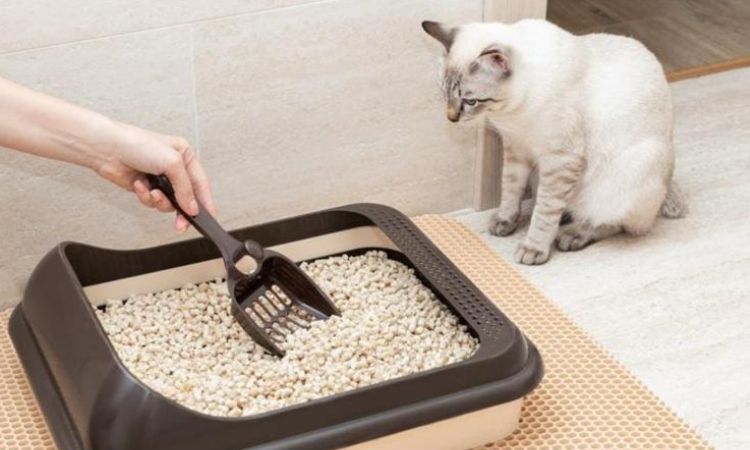
Instead of punitive measures, expert behaviorists recommend positive observation and experimentation. One practical approach is creating a “litter cafeteria”: place multiple litter boxes around your home, each with a different type of litter—unscented clumping, paper-based, crystal, or even sand. Monitor your cat’s choices over several days to identify their preferred texture and scent. Cats are particular creatures, and finding the right litter can often be a surprisingly simple solution to restoring proper litter box habits.
By debunking myths and using positive, investigative strategies, you can reduce stress for both you and your cat while guiding them back to consistent litter box use.
- Cat owners might be interested: Cat not peeing but acting normal