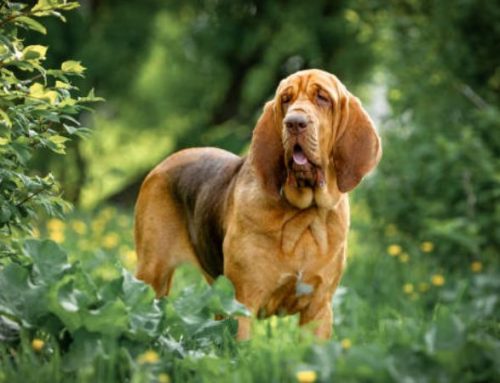

With their striking black-and-tan coats and long, droopy ears, Black and Tan Coonhounds are a perfect blend of charm and determination. Built for stamina and bred to hunt under the cover of night, these athletic hounds balance tenacity with a surprisingly gentle, easygoing nature.
At home, they’re content to curl up by the fire, yet outside, their noses guide them on adventures that showcase their incredible tracking skills. If you’re curious about what makes this breed so captivating, Nexus Pets breaks down five essential facts you need to know about Black and Tan Coonhound size, pricing, and more.
Fact 1: Adult Size At A Glance
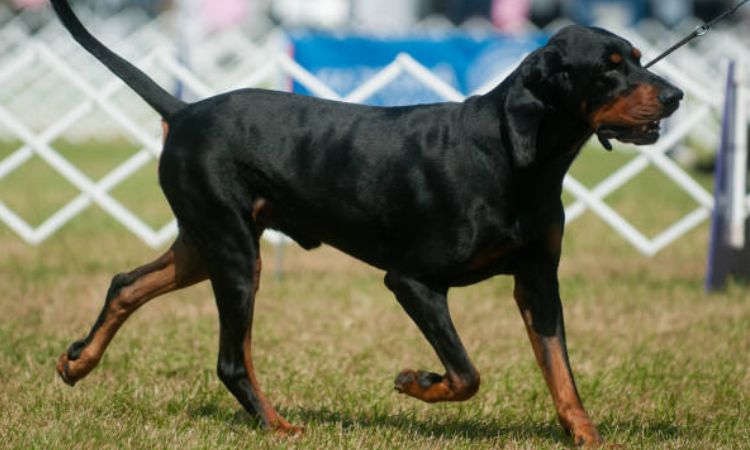
When considering a Black and Tan Coonhound as a pet, understanding their adult size is essential. These dogs are classified as large hounds, built for endurance, hunting, and agility. Their size directly influences their exercise needs, living space, and overall care.
- Typical Adult Height:
- Males: 25–27 inches (64–69 cm) at the shoulder
- Females: 23–25 inches (58–64 cm) at the shoulder
- Typical Adult Weight:
- Males: 65–110 pounds (29–50 kg)
- Females: 60–100 pounds (27–45 kg)
- Body Type: Black and Tan Coonhounds are long-legged, muscular, and athletic, with a lean yet powerful frame designed for stamina and agility. This body type allows them to cover ground efficiently, whether they’re on a hunting trail, running in the yard, or participating in outdoor activities. While their short, dense coat is easy to maintain, their size and energy level mean they aren’t well-suited for apartment living. Ideally, a home with a large, securely fenced yard allows them to exercise freely and satisfy their strong prey drive.
FAQ:
Q: Is a Black and Tan Coonhound considered a large breed?
A: Yes. Adult Black and Tan Coonhounds are considered a large breed due to their height, weight, and muscular frame. Their size, combined with high energy levels, makes them better suited for homes with ample space rather than apartments.
Fact 2: Growth Timeline And When They Reach Full Size
Understanding the growth timeline of Black and Tan Coonhounds is essential for new owners. This breed is a large, athletic hound, and their physical development occurs in predictable stages. Monitoring their growth closely ensures they develop strong bones and muscles without putting undue stress on joints.
8–12 Weeks: Rapid Early Growth
- At this stage, Black and Tan Coonhound puppies grow quickly, often gaining several pounds per week.
- Typical weight range for puppies in this period is approximately 10–20 lbs (4.5–9 kg), depending on lineage and sex.
- This is also a critical window for socialization, introducing your puppy to new people, pets, and environments to establish confidence and adaptability.
- Early handling, exposure to different textures, sounds, and positive reinforcement training can help prevent behavioral issues later.
6 Months: Adolescent Growth Spurt
- By six months, most Coonhounds have reached 50–60% of their adult height and weight.
- Males may begin to appear slightly more muscular than females, though they continue to fill out in the coming months.
- Puppies at this stage require balanced nutrition rich in protein, vitamins, and minerals to support their rapid skeletal and muscular growth without promoting excessive weight gain that can stress developing joints.
12–18 Months: Filling Out and Maturing
- Between 12 and 18 months, Black and Tan Coonhounds generally reach their full adult height, with males standing around 25–27 inches (64–69 cm) and females 23–25 inches (58–64 cm).
- Muscle mass continues to develop and strengthen, with most dogs reaching muscle maturity by 18–24 months.
- While height may be mostly established by 18 months, their body composition and weight distribution continue to improve, requiring ongoing monitoring of diet and exercise.
Tips for Maintaining Healthy Growth
- Monitor your Coonhound’s body condition score (BCS) to ensure they are neither underweight nor overweight. Ideal BCS is typically a 4–5 out of 9, where ribs can be felt without excessive fat coverage, and the waist is visible from above.
- Adjust feeding portions as needed: growing puppies need nutrient-dense meals but not excessive calories. Overfeeding can lead to overgrowth, increasing the risk of joint disorders such as hip and elbow dysplasia.
- Regular exercise suited to age—short, controlled play for puppies and more vigorous activity for adolescents helps maintain lean muscle and supports healthy skeletal development.
By understanding these growth stages, pet parents can ensure their Black and Tan Coonhound develops into a strong, well-proportioned adult, prepared for both family life and active pursuits like hiking, scent work, or even field events.
Fact 3: Puppy Price Range And What Affects It
If you’re considering adding a Black and Tan Coonhound puppy to your family, understanding the price range and the factors influencing cost is crucial. Prices can vary significantly depending on whether you choose a reputable breeder or adopt from a rescue organization.
Typical Price Range from Breeders
For puppies sold for pet homes, most reputable breeders charge between $500 and $1,200. This range ensures that the puppy has received proper early care, socialization, and basic veterinary attention. Puppies from breeders may also come with limited or full registration papers, which can affect the price.
Factors That Can Increase the Cost
Several factors can raise the price of a Black and Tan Coonhound puppy:
- Health testing and veterinary care: Puppies from breeders who perform thorough health screenings for hip dysplasia, eye conditions, and genetic diseases often cost more.
- Pedigree and championship lines: Puppies descending from show-quality or hunting-line parents may have higher price tags due to their lineage.
- Registration type: Limited registration versus full AKC registration can impact cost. Full registration allows the dog to be shown or bred, whereas limited registration does not.
- Breeder reputation: Experienced breeders with a history of healthy, well-socialized puppies may charge more to reflect the quality and care invested.
- Geography and demand: Prices can fluctuate depending on location and local demand, with urban areas or regions where Coonhounds are highly sought after often seeing higher prices.
Adoption Option and Fees
For those who prefer adopting, rescue organizations and shelters provide an affordable alternative, generally ranging from $100 to $300. Adoption fees usually cover important initial care such as:
- Core vaccinations
- Spaying or neutering
- Microchipping
- Basic health screenings and sometimes a starter pack of supplies
Adopting not only reduces the upfront cost but also provides a loving home to a dog in need, including adult dogs who may already be socialized or partially trained.
Fact 4: First-Year And Annual Ownership Costs
Owning a Black and Tan Coonhound involves more than the initial cost of purchasing or adopting a puppy. Prospective owners should be prepared for both one-time and recurring expenses, which can add up quickly, especially for a large, active breed like this. Careful budgeting ensures that your dog receives proper nutrition, medical attention, training, and enrichment throughout their life.
One-Time Setup Costs
When bringing your Coonhound home, several initial purchases are necessary to provide a safe and comfortable environment:
- Crate: Provides a secure space for sleeping, travel, and training.
- Dog Bed: Comfortable and appropriately sized for a large breed.
- Leash and Harness/Collar: Essential for walks, training, and safe outings.
- Bowls: Separate food and water bowls, preferably non-slip and easy to clean.
- ID and Microchip: Critical for identification and lost-pet recovery.
- Neuter or Spay: If not already included by the breeder or adoption organization, this one-time medical procedure is recommended for health and behavioral benefits.
Estimated total for these one-time purchases typically ranges from $250 to $600, depending on brand and quality.
First-Year Medical Costs
The first year of a Black and Tan Coonhound’s life includes several medical expenses to ensure proper growth and health:
- Vaccinations: Core vaccines to protect against common canine diseases.
- Deworming: Routine treatments to prevent intestinal parasites.
- Exams: Regular veterinary check-ups to monitor growth, detect early health issues, and provide guidance on diet and training.
- Preventive Medications: Flea, tick, and heartworm prevention.
- Pet Insurance (Optional): Can help offset unexpected medical costs, particularly for emergencies or genetic conditions like hip dysplasia.
The first-year medical budget generally falls between $300 and $700, though costs may be higher if additional treatments or early health interventions are needed.
Food and Treats
As a large, active breed, Black and Tan Coonhounds require high-quality, nutrient-dense food to support muscle development and energy. Feeding estimates include:
- Monthly Food: $50–$100, depending on food quality and portion sizes.
- Treats: $10–$30 per month for training and enrichment.
Annual food and treat costs typically range from $720 to $1,560, reflecting the dog’s size, activity level, and dietary needs.
Training and Enrichment
Black and Tan Coonhounds are intelligent scent hounds with strong prey drives. Investment in training and enrichment is essential for mental stimulation and good behavior:
- Puppy and Adult Training Classes: $50–$200 per session.
- Nose-Work and Enrichment Activities: Scent games, agility, fetch, and interactive toys help satisfy natural instincts and prevent boredom.
Grooming and Ear Care
While their short coat is relatively low-maintenance, Black and Tan Coonhounds require regular grooming and ear care:
- Brushing: 1–2 times per week to remove loose hair and distribute oils.
- Bathing: Occasional, using gentle dog shampoo.
- Ear Cleaning: Long, floppy ears are prone to infections; weekly cleaning is recommended.
- Supplies: Ear cleaners, grooming brushes, and wipes may cost $50–$150 per year.
Annual Baseline vs. High-End Costs
- Baseline Costs: $1,500–$2,500 per year, suitable for a moderately active household prioritizing basic care, food, and preventive medical care.
- High-End Costs: $3,500–$5,000 per year, reflecting active households with frequent training, enrichment, high-quality diet, preventive health care, pet insurance, and occasional emergencies.
Pull-Quote: “Total cost of ownership often exceeds the initial puppy price.”
Investing in proper care, training, and nutrition ensures your Black and Tan Coonhound grows into a healthy, happy, and well-adjusted adult, making the long-term financial commitment worthwhile.
Fact 5: Size Implications For Daily Life
Black and Tan Coonhounds are large, athletic dogs, typically weighing between 65–110 pounds and standing around 23–27 inches at the shoulder. Their size has significant implications for daily life, and prospective owners should carefully consider their home environment and routines. Space requirements are one of the most important factors: these dogs thrive in homes with a fenced yard or access to safe outdoor areas, where they can run and follow their noses. Apartment living is possible but requires diligent daily exercise and mental stimulation to prevent boredom, destructive behavior, or excessive baying, which is a natural form of communication for this breed.
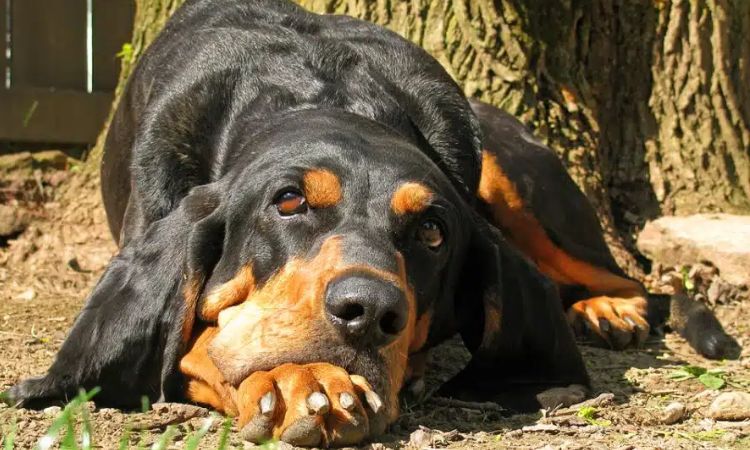
Exercise needs are substantial. Black and Tan Coonhounds benefit from at least 60–90 minutes of physical activity per day, including walks, play sessions, and scent-based enrichment such as tracking games or hidden treats. Their strong hunting instincts and curiosity mean they need mental stimulation to stay happy and prevent behavioral issues.
When it comes to travel and housing, their size impacts crate selection, car space, and even airline travel. A suitable crate should allow the dog to stand, turn, and lie comfortably, and vehicles must accommodate their length and weight safely. If flying, owners should be aware that many airlines treat large dogs as cargo, which may require additional planning and preparation.
Finally, their size brings specific health considerations. Large, active dogs are prone to hip and joint issues, making proactive weight management, balanced nutrition, and regular low-impact exercise essential for long-term health. Keeping them at an ideal body condition score not only supports joint health but also enhances mobility and longevity, ensuring your Coonhound can stay active and engaged throughout their life.