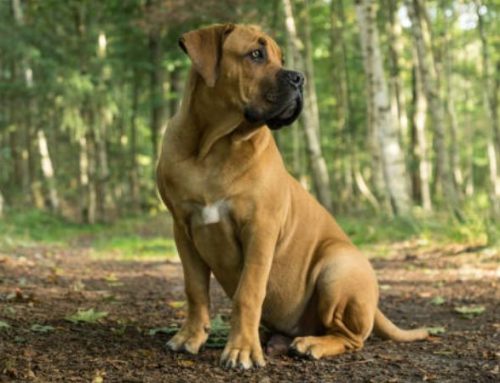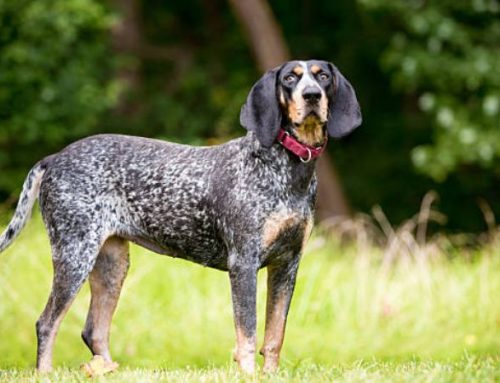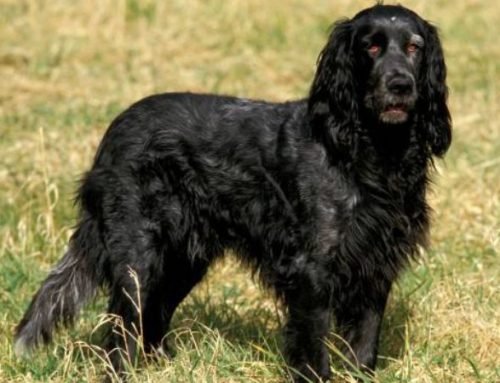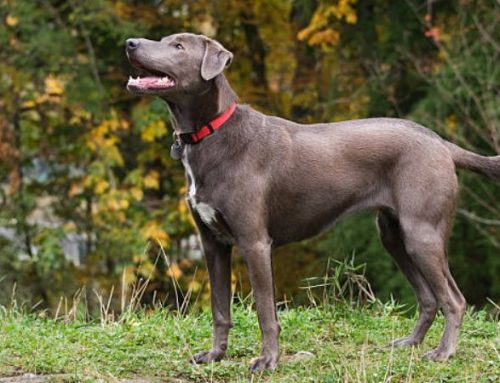

Rugged, loyal, and built for action, the Black Mouth Cur is a breed that embodies the spirit of the American frontier. Known for its versatility, intelligence, and unwavering devotion to family, this medium-to-large dog has earned a reputation as both a skilled working companion and a loving household friend.
Whether tracking game through dense forests, herding livestock on a homestead, or simply keeping watch over its family, the Black Mouth Cur brings a unique combination of courage, energy, and heart to every task. In this complete guide, we’ll explore the breed’s history, characteristics, training tips, and care requirements, giving you everything you need to know about welcoming one of these remarkable dogs into your life.
History and Origin of the Black Mouth Cur
The Black Mouth Cur is a quintessential American working dog, deeply rooted in the rural South and emblematic of the ingenuity and resourcefulness of early settlers. Unlike many modern breeds, it has never achieved formal recognition by the American Kennel Club, though it is recognized by the United Kennel Club (UKC) and often appears in the AKC’s Foundation Stock Service. Despite its informal status, the breed has maintained a strong reputation among families and farmers for its versatility, intelligence, and unmatched work ethic, earning its place as a trusted companion on Southern homesteads for generations.
Historically, Black Mouth Curs were indispensable to pioneer families, fulfilling multiple practical roles as hunters, herders, and guardians. They were particularly valued for their ability to track and tree a wide variety of game, including feral hogs, black bears, raccoons, squirrels, and deer. Beyond hunting, they were used to protect and manage livestock such as cattle and hogs, making them a true all-purpose farm and homestead dog. Their protective instincts extended to their human families as well, particularly children, making them both a skilled working dog and a loyal household companion.
The exact ancestry of the Black Mouth Cur remains somewhat uncertain, but it is widely believed to descend from European working dogs brought by settlers to the Southern United States. Key progenitors likely included Irish and Scottish herding dogs, English and French molossoid types, and other versatile farm dogs. Over time, regional strains emerged to suit specific environments and tasks, including the Ladner line from Mississippi, the Southern Black Mouth Cur, the Foundation line from Texas, and the Florida Cracker Cur. Despite slight variations among these lines, all maintained the breed’s hallmark traits of intelligence, endurance, and courage, solidifying the Black Mouth Cur’s reputation as a resilient and versatile American working dog.
Physical Characteristics and Appearance
Size and Weight
The Black Mouth Cur is a medium-to-large working breed, designed for stamina, agility, and versatility in hunting, herding, and guarding tasks. Males typically stand between 18 to 25 inches (46–64 cm) at the shoulder and weigh 40 to 95 pounds (18–43 kg), while females are slightly smaller, ranging from 16 to 23 inches (41–58 cm) in height and weighing 35 to 80 pounds (16–36 kg). Despite these ranges, individual dogs may vary, and working lines often prioritize muscular condition and functional strength over strict adherence to show measurements. The breed is meant to be presented in a hard, muscular condition, reflecting its working heritage rather than a purely aesthetic appearance.
Coat, Colors, and Markings
The coat of the Black Mouth Cur is short, dense, and close-lying, providing protection without excessive maintenance. Texture can range from fine to coarse, but wiry or excessively long coats are considered faults in working lines.
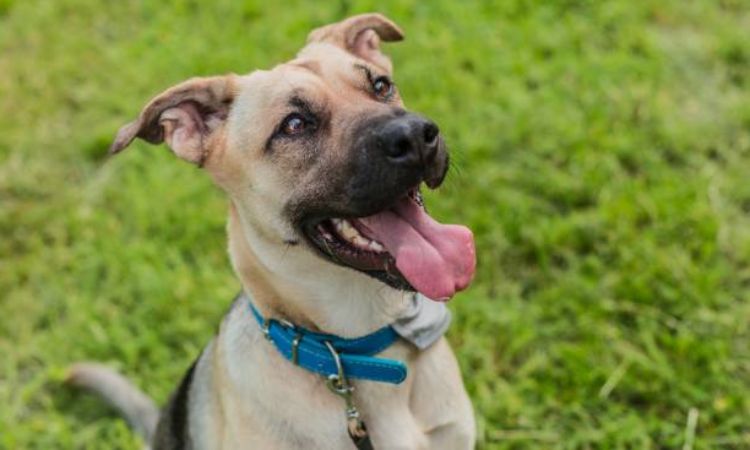
Color patterns are diverse yet standardized within acceptable ranges. Common colors include yellow, fawn, red, brown, brindle, or black, with all dogs typically exhibiting the defining trait for which the breed is named: a black muzzle, often referred to as the “Black Mouth.” This melanistic mask can vary in intensity, but it is a hallmark of the breed’s identity. Small amounts of white are allowed under the chin, around the muzzle, on the chest, legs, or tip of the tail; however, no more than 10% of the dog’s total body may be white. Dilute coat colors may appear in certain lines, indicated by lighter eye colors (green, yellow, or light brown) or less intense black pigmentation on the muzzle. Spotted, merle, or collared coats are disqualifying features, and true albinism is strictly disallowed.
Body Structure
The Black Mouth Cur is athletic and well-proportioned, designed for endurance, speed, and power in rugged terrain. The body is generally square or slightly longer than tall, with a broad chest that extends to the elbows, providing lung capacity and strength for sustained activity. The back is strong and level, blending into a muscular, slightly arched loin and a moderate tuck-up, supporting agility and quick directional changes.
The limbs are long, strong, and straight, with large, compact feet that are well-arched and cushioned for terrain adaptability. The hindquarters are muscular and balanced with the forequarters, featuring a slightly longer upper thigh than second thigh, well-bent stifles, and strong hocks that enable powerful propulsion.
The head is broad and proportionate to the body, with a moderately broad muzzle, flat skull, and high-set, drop ears. Eyes are medium to large, set wide apart, and typically brown, yellow, or green in dilute-colored dogs. The black muzzle, tight lips, and strong jaw are signature features that reflect the breed’s working and hunting heritage. The tail is set low, may be any length, and can be smooth or slightly feathered.

Temperament and Personality
The Black Mouth Cur is renowned for its unwavering loyalty and strong protective instincts. These dogs form deep bonds with their human families and often view themselves as guardians of both home and loved ones. Their devotion is not passive; they are alert, attentive, and quick to respond to perceived threats, making them exceptional watchdogs and family protectors. This protective nature, combined with intelligence and courage, allows them to thrive in homes where their vigilance and companionship are appreciated.
As a breed, Black Mouth Curs are highly energetic and driven. They are not content to simply lounge around for hours—they require constant mental and physical stimulation to remain happy and balanced. Historically bred as all-purpose working dogs, they excel when given a task, whether hunting, herding, or engaging in dog sports such as agility, obedience, or tracking exercises. Without a “job” or sufficient exercise, their energy can manifest as restlessness or mischief, so prospective owners must commit to providing daily activity that challenges both mind and body.
Interactions with children and other pets require thoughtful socialization from an early age. Black Mouth Curs are naturally protective of family children and, when raised in a loving and structured environment, they are patient and attentive companions. However, their strong prey drive—developed through generations of hunting and tracking—can make them prone to chasing smaller animals like rabbits, squirrels, or even household pets. Early socialization, exposure to various animals, and consistent training are crucial to help them coexist safely with other pets. Additionally, a secure yard and careful supervision are essential when these dogs are outdoors, as their instinct to pursue game or unfamiliar animals can be strong.
In essence, the Black Mouth Cur is a breed that combines loyalty, intelligence, and high work ethic. They are best suited to families who can meet their need for activity, provide structured guidance, and appreciate a dog that is both a devoted companion and a natural guardian. With the right environment and training, they offer a unique blend of affection, playfulness, and protective instincts that few breeds can match.
Black Mouth Cur Care Guide
Caring for a Black Mouth Cur involves meeting both their physical and mental needs. This active, intelligent breed thrives when given daily exercise, mental stimulation, proper grooming, and a balanced diet. Proper care ensures they remain healthy, happy, and well-adjusted companions.
1. Exercise Needs
Black Mouth Curs are highly energetic dogs that require 60–90 minutes of vigorous daily activity at a minimum. Without sufficient exercise, they can become bored, restless, or develop destructive behaviors. Physical activity is crucial for keeping their muscles strong, joints healthy, and energy levels manageable.
These dogs are intelligent and driven, needing more than just physical exercise. Mental challenges help prevent boredom and channel their natural working instincts. Training sessions, puzzle toys, and interactive games like scent tracking or obedience drills provide much-needed mental engagement.
Suitable Activities:
- Hiking and running: Great for burning excess energy.
- Fetch and agility: Improves coordination and provides mental stimulation.
- Advanced obedience or trick training: Challenges their intelligence.
- Scenting games and tracking exercises: Taps into their hunting instincts and provides purposeful activity.
A Black Mouth Cur without a “job” will need creative ways to stay occupied—long walks, play sessions, or structured dog sports are essential to prevent frustration or misbehavior.

2. Grooming Requirements
Black Mouth Curs have a short, dense coat that is easy to maintain and generally moderate to low shedding. Regular brushing once or twice a week helps remove loose hairs and keeps their coat healthy.
They do not require frequent baths unless they get particularly dirty from working or outdoor play. Bathing every few months is usually sufficient, though active dogs may need occasional washes to maintain hygiene.
Essential Routine Care:
- Nail clipping: Trim nails every 3–4 weeks to prevent overgrowth and discomfort.
- Ear cleaning: Their floppy ears make them prone to infections. Clean and inspect ears regularly for signs of odor, discharge, or redness.
- Dental hygiene: Brush teeth several times a week to prevent plaque, bad breath, and dental disease.
By keeping up with these basic grooming tasks, owners can prevent common health issues and ensure their dog remains comfortable and clean.
3. Diet and Nutrition
Black Mouth Curs require a high-quality, protein-rich diet to support their active lifestyle. Options include premium kibble formulated for large or active breeds, or a carefully balanced raw diet. Protein, healthy fats, and essential nutrients are crucial for maintaining energy, muscle mass, and overall health.
Feeding Schedule:
- Puppies: 3–4 small meals per day to support growth and energy needs.
- Adults: 2 meals per day is generally sufficient. Feeding amounts should be adjusted based on activity level, age, and metabolism.
Maintaining a healthy weight is vital for a Black Mouth Cur. Obesity places extra strain on their joints, increasing the risk of arthritis and hip dysplasia. Monitor their body condition regularly, provide plenty of exercise, and avoid excessive treats or table scraps. Discuss portion sizes and supplements with a veterinarian to ensure your dog stays fit and healthy.
Training and Socialization
Proper training and socialization are essential for raising a well-adjusted Black Mouth Cur. These dogs are intelligent, energetic, and highly motivated, but without consistent guidance and structured exposure to the world, their natural instincts can sometimes lead to problem behaviors. Early, consistent training and thoughtful socialization help ensure that your Black Mouth Cur grows into a confident, obedient, and happy adult dog.
Training
Starting Early
For Black Mouth Cur puppies, training should begin as soon as they come home, typically around 8–10 weeks of age. Early exposure to structured learning environments, such as puppy kindergarten classes, helps establish foundational skills and encourages proper behavior around other dogs and people. These early classes not only teach basic commands but also provide controlled social interactions, which are critical for developing confidence and reducing fearfulness or overprotectiveness in adulthood. Starting early ensures that your puppy’s natural curiosity and high energy are channeled positively rather than resulting in unwanted behaviors.
Training Philosophy
Black Mouth Curs are highly intelligent and sensitive, responding best to positive reinforcement techniques. Harsh corrections, shouting, or dominance-based approaches can damage trust and make the dog resistant to learning. Instead, reward-based methods using treats, praise, and toys create an encouraging environment that motivates your dog to learn. Training sessions should be short but frequent, as puppies and young dogs have limited attention spans. Gradually increasing the complexity of commands keeps them mentally stimulated and engaged while fostering a strong bond between dog and owner.
Leash Training
Due to their strength, drive, and high energy, leash training is essential. Black Mouth Curs are active working dogs that can pull or become overexcited without proper guidance. Early introduction to a leash and collar, combined with positive reinforcement for walking calmly by your side, ensures safe and enjoyable outings. For particularly strong or energetic dogs, using a harness and structured training methods can help prevent pulling and injuries while giving the owner better control during walks, hikes, or runs.
Addressing Problem Behaviors
Black Mouth Curs can develop unwanted behaviors such as digging, chewing, or excessive barking, often stemming from boredom, insufficient exercise, or lack of mental stimulation. To mitigate these issues:
- Provide ample physical activity and structured play.
- Offer puzzle toys, chew toys, and interactive games to engage their mind.
- Redirect destructive behaviors consistently using positive reinforcement rather than punishment.
Properly managing energy and stimulating their intellect prevents frustration-related behaviors, creating a more harmonious household for both dog and family.
Socialization
Exposure to New People and Places
Early socialization is crucial for Black Mouth Curs, as it reduces the likelihood of fear, shyness, or over-protectiveness. Introduce your puppy gradually to people of different ages, appearances, and behaviors, including individuals wearing hats, glasses, or using mobility aids. Take them to various environments such as parks, pet-friendly stores, and quiet streets to familiarize them with sights, sounds, and smells. These experiences help puppies grow into confident adults who can handle novel situations without anxiety or reactive behavior.
Meeting Other Dogs
Because Black Mouth Curs have strong prey and territorial instincts, positive interactions with other dogs should be carefully managed from a young age. Controlled playdates, puppy classes, or walks with well-behaved dogs teach appropriate social cues and reduce the risk of aggression. It is important to monitor initial encounters closely, rewarding calm, friendly behavior, and intervening gently if play escalates too aggressively. Early, consistent exposure to other dogs ensures that your Black Mouth Cur develops healthy social skills, allowing them to enjoy dog parks, playgroups, and multi-dog households without conflict.
Black Mouth Cur Health and Lifespan

Lifespan
Black Mouth Curs are generally healthy and long-lived dogs, with an average lifespan ranging from 12 to 15 years. With proper care, including balanced nutrition, regular veterinary checkups, consistent exercise, and mental stimulation, they can maintain vitality well into their senior years. Their robust nature makes them capable of handling active lifestyles, but preventative care is essential to minimize breed-specific health risks.
General Health
The Black Mouth Cur is a hardy and resilient breed, historically developed as a working dog for herding, hunting, and guarding in the southeastern United States. This practical breeding has endowed them with strong immunity and physical endurance, making them generally robust compared to more selectively bred companion-only breeds. They are less prone to genetic disorders associated with overbreeding, but, like all dogs, they are susceptible to certain health issues that owners should monitor. Regular veterinary care, proper diet, and safe exercise routines play key roles in maintaining their overall health.
Common Health Issues
Hip and Elbow Dysplasia
Hip and elbow dysplasia are among the most significant orthopedic concerns for Black Mouth Curs. These conditions occur when the joints do not develop properly, which can lead to pain, lameness, and mobility issues over time. Responsible breeders perform genetic testing on breeding pairs to minimize the risk of dysplasia. Owners should:
- Avoid excessive high-impact exercise during puppyhood.
- Wait until the dog is fully grown before spaying or neutering to reduce joint stress.
- Maintain a healthy weight to prevent additional strain on developing joints.
Ear Infections
Due to their floppy ears and active nature, Black Mouth Curs are prone to ear infections, especially if they frequently swim or get wet. Signs include: redness, odor, scratching, or head shaking. Prevention and management include:
- Regular ear inspections and cleaning with veterinarian-approved solutions.
- Drying ears thoroughly after swimming or bathing.
- Monitoring for early signs of infection to avoid complications.
Bloat (Gastric Dilatation-Volvulus – GDV)
Like many medium-to-large, deep-chested breeds, Black Mouth Curs are at risk for bloat (GDV), a potentially life-threatening condition where the stomach twists and traps gas. Early recognition is critical, as GDV requires immediate veterinary intervention. Preventive measures include:
- Feeding smaller, frequent meals rather than one large meal daily.
- Avoiding vigorous exercise immediately before or after eating.
- Monitoring for early symptoms such as restlessness, drooling, or a distended abdomen.
While generally healthy and hardy, Black Mouth Curs benefit from proactive health care and attentive management. Understanding breed-specific risks like hip/elbow dysplasia, ear infections, and bloat ensures that these energetic, loyal dogs can enjoy long, active, and fulfilling lives well into their senior years.