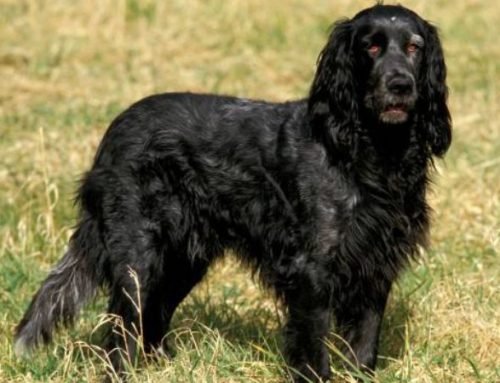

With a presence that commands attention and a heart built for loyalty, the Black Russian Terrier is no ordinary dog. Towering, muscular, and draped in a dense, jet-black coat, this breed was designed to work hard, protect fiercely, and think for itself. But behind the imposing exterior lies a devoted companion who thrives in an active, structured home.
If you’re curious whether a Black Russian Terrier—or Russian Black Terrier—is the right fit for your family, this guide will walk you through everything from temperament and care to price and lifestyle considerations, helping you decide if this remarkable breed is your perfect match.
Brief breed overview
The Black Russian Terrier (BRT) is a strikingly powerful and versatile working breed, originally developed in the former Soviet Union during the late 1940s and early 1950s. Conceived primarily for military and police duties, the breed was engineered by the Red Star Kennel to meet the demanding needs of border patrols, military installations, and law enforcement. These dogs were designed to be fearless, intelligent, and resilient, capable of performing complex tasks in harsh environments while remaining loyal and obedient to their handlers. Over time, the Black Russian Terrier has also become a devoted family companion, blending its working prowess with a calm and affectionate temperament in the home.
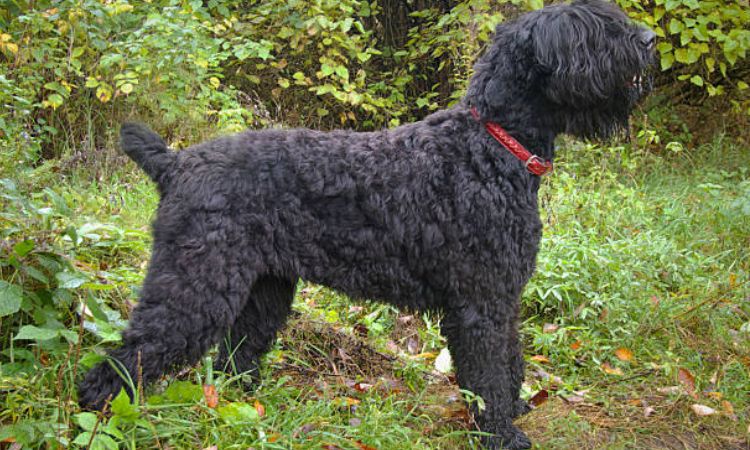
Physically, BRTs are large, muscular dogs with a commanding presence. Adult males typically stand 72–76 cm (28–30 inches) at the shoulder, while females measure slightly smaller at 68–72 cm (27–28 inches). Their body is robust and well-proportioned, built for strength, endurance, and agility. The breed is easily recognizable by its dense, coarse, all-black double coat, which provides insulation against cold climates and protection from rough terrain. A defining feature of the breed is its facial furnishings: a full beard, mustache, and expressive eyebrows, which give the dog a noble and distinctive appearance. The coat on the body is slightly wavy, and a subtle mane around the neck and withers is more pronounced in males, emphasizing their powerful stature.
Typical price and ongoing costs
The price of a Black Russian Terrier puppy can vary widely depending on factors such as breeder reputation, geographic location, and the dog’s pedigree. On average, puppies from reputable breeders range between $1,000 and $2,500 USD. Puppies from breeders with championship bloodlines, proven working ability, or exceptional lineage may command higher prices. These breeders typically invest considerable time and resources in responsible breeding practices, including comprehensive health testing for conditions like hip and elbow dysplasia, progressive retinal atrophy, and juvenile laryngeal paralysis and polyneuropathy (JLPP). They also ensure puppies receive early socialization, exposure to household noises, and basic handling skills, which can increase the initial cost but substantially reduce the likelihood of future behavioral or health issues.
Adopting a Black Russian Terrier from a rescue or shelter is a more affordable option, generally ranging from $50 to $500, and often includes initial vaccinations, microchipping, and spaying or neutering. Adoption not only saves money but also gives a deserving dog a loving home.
Ongoing monthly costs for a Black Russian Terrier are generally higher than for many other breeds due to their large size, dense double coat, and active lifestyle. Owners should budget for:
- Food: Expect to spend roughly $24 to $48 per month on high-quality, nutrient-rich dog food to support their growth and maintain their overall health. Large, active BRTs require a balanced diet to sustain their energy levels.
- Grooming: Regular professional grooming every 6 to 8 weeks typically costs between $85 and $130 per session, depending on location and coat condition. Between sessions, at-home brushing is essential to prevent matting and maintain coat health.
- Insurance and Veterinary Care: Given the breed’s predisposition to certain health conditions, monthly pet insurance or routine veterinary expenses should be considered. Preventive care, vaccinations, and wellness checks help avoid costly emergency treatments later.
- Training and Socialization: Early and ongoing training classes are critical for this intelligent and protective breed. Group classes, private sessions, or specialized obedience programs may add $50 to $150 per month but are essential for ensuring a well-behaved and balanced adult dog.
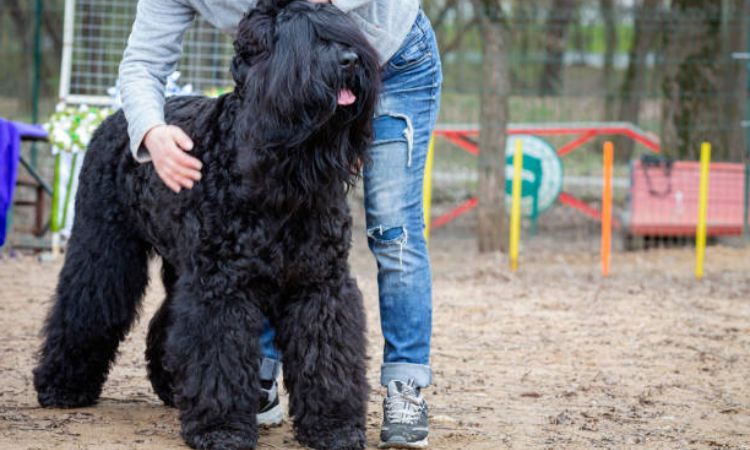
Prospective Black Russian Terrier owners should be prepared for both a substantial initial investment and higher-than-average monthly expenses. However, these costs are matched by the reward of a loyal, intelligent, and protective companion who thrives with consistent training, socialization, and care.
Temperament and Suitability of the Black Russian Terrier
The Black Russian Terrier (BRT) is a breed defined by its calm confidence, courage, and unwavering loyalty. These dogs are naturally protective, always alert to potential threats, and can be somewhat reserved or aloof with strangers. Their guarding instincts are strong, making them vigilant and reliable watchdogs, yet they are usually affectionate, playful, and deeply bonded with their family members.
When properly socialized from a young age, BRTs can be gentle and patient with children, especially older kids who understand how to interact with a large, powerful dog. Their size and protective instincts, however, mean that supervision is always required around younger children or during interactions with other dogs. While they may tolerate other pets they were raised with, Black Russian Terriers are not naturally sociable with unfamiliar animals, and their interactions with small pets should be strictly monitored.
Due to their high intelligence, independence, and strong will, BRTs are not recommended for first-time dog owners. They require a confident, consistent leader who can establish firm but fair boundaries. Inexperienced or inconsistent handling can lead to dominance challenges or behavioral issues, as these dogs are quick to assert themselves if they perceive gaps in household leadership. For experienced owners who can provide structured training, daily mental and physical stimulation, and patient socialization, the Black Russian Terrier thrives as both a loyal family companion and a vigilant guardian, displaying a perfect balance of courage, composure, and affection.
Exercise, training, and mental needs
The Black Russian Terrier (BRT) is a highly intelligent, strong, and versatile working breed that requires a substantial amount of daily physical activity and mental stimulation to remain healthy, happy, and well-behaved. Adult BRTs typically need 60–120 minutes of exercise each day, which can include a combination of brisk walks, jogging, free play, or structured working sessions. Their stamina and physical capabilities allow them to excel in demanding activities like running, hiking, swimming, or even pulling light loads.
Because of their working dog heritage, Black Russian Terriers thrive when they are given a clear purpose or “job.” Engaging them in activities such as advanced obedience training, tracking, agility, protection sports, or scent work helps satisfy their natural drive to think, solve problems, and use their physical abilities. Without sufficient mental and physical engagement, BRTs can become bored or frustrated, potentially developing undesirable behaviors such as chewing furniture, excessive barking, or over-guarding their home.
Training for a Black Russian Terrier should always be firm, consistent, and reward-based. They respond best to handlers who demonstrate confidence and clear leadership while using positive reinforcement techniques, such as treats, praise, or play rewards. Harsh or punitive methods are ineffective and can create fear or aggression, whereas timid or inconsistent owners risk having their BRT challenge their authority, leading to behavioral issues.
Black Russian Terriers are quick learners, capable of mastering complex commands, advanced obedience routines, and structured dog sports. Incorporating puzzle toys, scent games, or interactive problem-solving exercises into their daily routine further stimulates their minds and prevents boredom. Regular mental challenges paired with physical exercise not only keeps a BRT physically fit but also mentally satisfied, calm, and socially balanced.
Overall, to raise a well-adjusted Black Russian Terrier, owners must commit to daily exercise, structured training, and mental enrichment, creating a lifestyle that fulfills both the breed’s physical strength and high intelligence. This combination ensures that the dog remains obedient, confident, and happy, while minimizing the risk of destructive behaviors or overprotective tendencies.
Grooming and basic care
Coat Care and Grooming Requirements
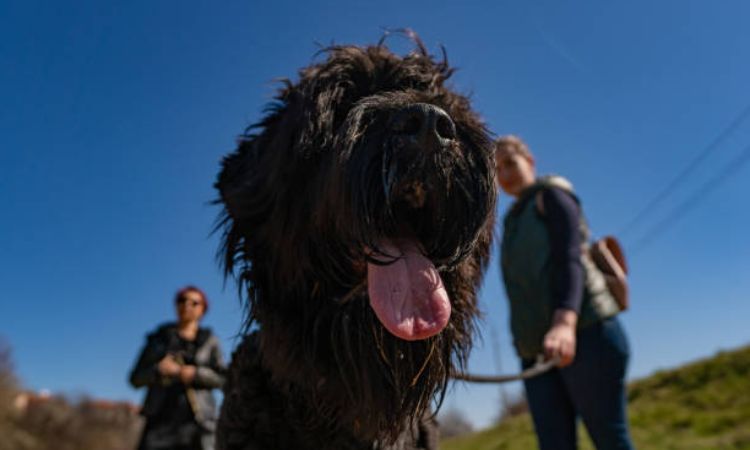
The Black Russian Terrier has a dense double coat with a coarse, wiry outer layer and a soft, insulating undercoat. Although the breed is low-shedding, its coat is prone to matting and tangling, particularly in areas like the legs, beard, and under the ears. To keep the coat healthy and free from knots, owners should brush their BRT at least 2–3 times per week, and more frequently in areas where mats tend to form.
Professional grooming is highly recommended every 6–8 weeks, which typically includes trimming around the beard, paws, and ears to maintain the dog’s characteristic appearance while preventing hygiene issues. Regular grooming also allows owners to check for skin irritations, parasites, or lumps early, helping prevent potential health problems. Many BRT owners consider professional grooming an essential part of care due to the coat’s complexity and maintenance demands.
Ear, Nail, and Dental Care
In addition to coat maintenance, ear, nail, and dental care are critical aspects of a Black Russian Terrier’s basic care routine. Their ears should be checked weekly for redness, wax buildup, or foul odor, as their dense fur can trap moisture and debris, increasing the risk of infections. Nails should be trimmed monthly to prevent overgrowth, cracking, and discomfort while walking.
Dental hygiene is equally important for BRTs, as tartar buildup can lead to gum disease or tooth loss. Owners are advised to brush their dog’s teeth several times per week and provide dental chews or professional cleanings when recommended. Maintaining good oral health supports overall well-being and longevity.
Health Considerations and Diet
The Black Russian Terrier is a large, deep-chested breed with powerful bones and muscles, but these characteristics also make them susceptible to certain health concerns. Owners should monitor for joint issues, such as hip and elbow dysplasia, and take steps to maintain healthy joints through moderate exercise, controlled weight, and joint supplements when necessary.
BRTs are also prone to bloat (gastric dilatation-volvulus, GDV), a life-threatening condition common in deep-chested dogs. Preventive measures include feeding smaller, scheduled meals, avoiding vigorous exercise immediately before and after eating, and using slow feeder bowls to reduce gulping.
Nutrition is a cornerstone of their care. Owners should choose high-quality dog food formulated for large, active breeds, balancing protein, fat, vitamins, and minerals to support muscle development, joint health, and overall vitality. Maintaining a healthy weight helps reduce the risk of joint strain, heart issues, and other obesity-related complications.
Health and lifespan
The Black Russian Terrier is generally a robust and healthy large breed, but as with many dogs of their size, they are prone to certain breed-specific health conditions. With proper care, including regular veterinary check-ups, a balanced diet, consistent exercise, and preventive measures, the average lifespan of a Black Russian Terrier is typically 10–12 years. Lifespan can vary depending on genetics, environment, and the level of healthcare and nutrition provided throughout the dog’s life.
Common Health Concerns
Responsible breeders actively screen for several conditions to reduce the risk of hereditary diseases:
- Hip and Elbow Dysplasia: A common orthopedic concern in large breeds, these conditions occur when the joints fail to develop properly, leading to pain, arthritis, and mobility issues. Maintaining a healthy weight, providing joint supplements, and avoiding excessive high-impact exercise during puppyhood can help manage symptoms.
- Progressive Eye Diseases: Black Russian Terriers may be prone to conditions such as cataracts or progressive retinal atrophy (PRA), which can lead to impaired vision or blindness over time. Early screening and regular ophthalmological exams are essential.
- Juvenile Laryngeal Paralysis and Polyneuropathy (JLPP): This inherited neurological disorder affects young BRTs and can lead to difficulty breathing and mobility issues. Breeders who perform genetic testing for JLPP help ensure puppies are free from this condition.
- Urinary Tract Issues and Hyperuricosuria: Some BRTs are susceptible to urinary crystals or stones. These conditions can cause discomfort, urinary blockage, and inflammation, which may require dietary management or surgery in severe cases.
Preventive Care
To maximize a Black Russian Terrier’s health and lifespan, owners should:
- Purchase from reputable breeders who conduct genetic and health screenings for hip/elbow dysplasia, eye disorders, and JLPP.
- Schedule regular veterinary check-ups, including vaccinations, parasite control, dental care, and wellness exams.
- Provide a nutrient-rich diet formulated for large, active breeds to support joint, heart, and overall health.
- Maintain a healthy weight and regular exercise routine to reduce stress on joints and the risk of obesity-related complications.
- Monitor for early signs of illness or discomfort, particularly in the joints, eyes, and urinary tract, and seek prompt veterinary care.
With careful breeding, routine preventive care, and a supportive home environment, a Black Russian Terrier can enjoy a long, healthy, and active life of around 10–12 years. Owners who stay proactive about their dog’s health needs, genetics, and lifestyle can help ensure their BRT remains a vibrant, loyal, and protective companion throughout their life.
Is this breed right for you?
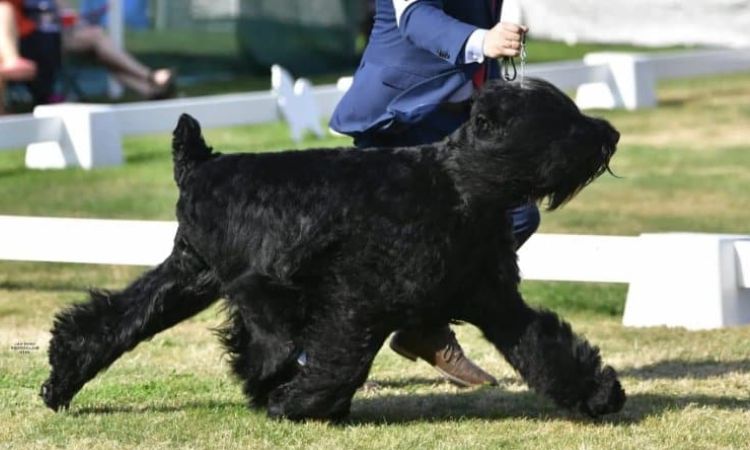
The Black Russian Terrier (BRT) is a large, intelligent, and highly protective breed that thrives in an environment where structure, consistency, and activity are part of daily life. This breed is best suited for experienced dog owners who have previously handled large working or guardian breeds and understand the responsibilities that come with a powerful, independent, and highly alert dog.
Ideal Owners and Households
A Black Russian Terrier is a good fit if you can provide:
- Serious Guardian Role: You want a dog that can serve as a loyal protector for your family and property. BRTs have a natural guarding instinct and excel when given a defined purpose or “job.”
- Structured Training and Leadership: This breed requires firm, confident, and consistent leadership. Owners must be able to establish clear boundaries and rules, using positive reinforcement methods while avoiding harsh or timid handling.
- Daily Vigorous Exercise: BRTs have high physical and mental energy needs. They require at least 60–120 minutes of daily activity, including walks, runs, playtime, and mentally stimulating tasks like obedience, puzzle games, or tracking. Without adequate stimulation, they can develop boredom-driven behaviors such as chewing, digging, or over-guarding.
- Regular Grooming Commitment: Their dense double coat requires brushing 2–3 times per week, with additional attention to the beard, legs, and facial hair, plus professional grooming every 6–8 weeks. Owners must be prepared for the time and financial investment this entails.
- Stable and Committed Household: BRTs thrive in homes where they are included in family life and receive consistent attention. They do not adapt well to frequent changes, long periods of isolation, or chaotic environments.
Who May Struggle with This Breed
A Black Russian Terrier is likely not the right choice if you:
- Are a first-time dog owner unfamiliar with handling dominant, intelligent, and independent breeds.
- Live in a small space or an environment where daily vigorous exercise is difficult to provide.
- Prefer a dog that requires minimal grooming, as the BRT’s coat demands regular maintenance.
- Want an easygoing, universally sociable dog, as BRTs are naturally wary of strangers and may be aloof or defensive without proper socialization.
- Cannot dedicate time to structured training, socialization, and mental enrichment, which are essential to prevent behavioral issues.
A Black Russian Terrier can be a devoted, courageous, and intelligent companion for the right owner—a person or family willing to commit to daily exercise, consistent training, grooming, and a stable, structured home environment. For those prepared to meet these needs, the BRT rewards loyalty, protection, and affection in abundance. For inexperienced owners, or those seeking a low-maintenance, universally sociable pet, this breed may present challenges that outweigh the benefits.