
Born from the rugged ranchlands of 19th-century Texas, the Lacy Dog—often called the Blue Lacy is a whirlwind of instinct, intelligence, and determination wrapped in a sleek, muscular frame. This isn’t your average family pet; it’s a purpose-built working companion forged by frontier life and still celebrated today for its versatility and grit.
Join Nexus Pets as we dive into the world of this extraordinary breed, exploring its temperament, training needs, and the unique mixes that have captured the attention of dog lovers across the country.
Breed Overview
History and Origin
The Blue Lacy’s story begins in mid-19th-century Texas, where the Lacy brothers set out to create a dog capable of handling the diverse demands of frontier ranch life. By combining English herding lines, speedy sighthounds such as Greyhounds, scent-driven hound traits, and local wild canids—likely coyotes or the now-rare Red Wolf—they produced a remarkably versatile working dog. Lacys quickly became indispensable on Texas ranches, excelling at herding livestock, tracking game, and managing wild hogs with confidence and agility.
Although they’ve been a staple in rural Texas for more than a century, the breed wasn’t formally unified until the 1970s, when dedicated owners consolidated historic bloodlines and established consistent standards. Their cultural significance earned them official recognition as the State Dog of Texas in 2005, yet they remain relatively rare outside the American South. Small but passionate communities in the U.S., Canada, and parts of Europe continue to preserve this uniquely Texan breed.
Physical Characteristics
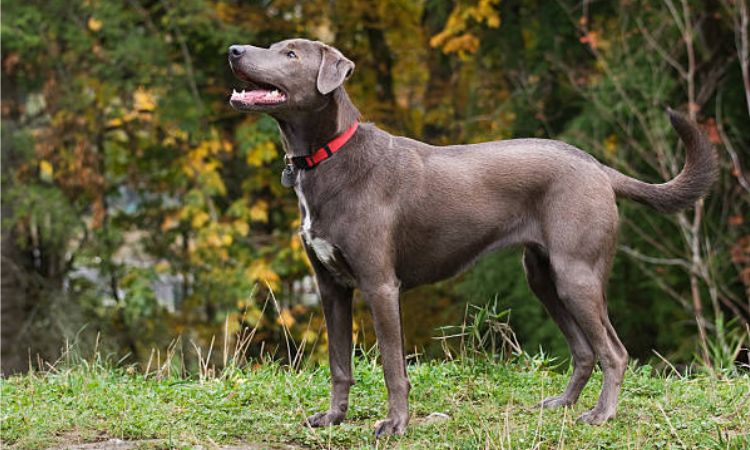
Blue Lacys are medium-sized, athletic dogs built for endurance and speed rather than bulk. Most weigh 30–60 pounds, with females typically on the lighter end of the spectrum, and stand around 16–26 inches at the shoulder depending on sex. Their defining feature is their sleek, short double coat, which comes in three recognized patterns:
- Blue – the classic steel-gray to blue-charcoal shade associated with the breed
- Red – ranging from light cinnamon to deep rust
- Tri – a combination of blue with red-based points
Minimal grooming is required thanks to their low-maintenance coat, though regular brushing helps manage shedding and keeps the skin healthy. Their sharp amber to yellow eyes and lean, muscular frame reflect their working-dog heritage.
Who the Blue Lacy Is Best Suited For
The Blue Lacy thrives with owners who appreciate structure, purpose, and plenty of physical activity. This breed is an ideal match for active, experienced dog handlers, ranch families, hunters, farmers, or anyone living in rural or spacious suburban environments where the dog can run, work, and explore freely. Lacys are not well suited to small apartments or low-energy households—they need mental challenges, consistent training, and daily vigorous exercise to stay balanced and content. With the right home and responsibilities, the Blue Lacy becomes an intensely loyal, driven, and highly capable companion.
Temperament: What to Expect
1. Core Personality Traits
The Blue Lacy is a breed defined by its intelligence, energy, and exceptional work ethic. These dogs are naturally alert, highly focused, and always ready for a task, reflecting generations of selective breeding for ranch work, herding, and hunting. Their high energy levels mean they are constantly seeking stimulation, whether that comes in the form of herding livestock, chasing game, or engaging in mentally challenging activities such as agility or tracking exercises.
Beyond sheer activity, Blue Lacys are remarkably intelligent problem solvers. They quickly learn commands, understand routines, and can adapt to complex situations, making them ideal for owners who can provide structured training and consistent challenges. Their eagerness to please, when paired with clear guidance, allows them to form strong bonds with their human companions while channeling their natural intensity into productive work rather than destructive behavior. Without adequate mental and physical outlets, however, their high drive can manifest as restlessness or mischief.
2. Family Life and Children
Blue Lacys are deeply loyal and affectionate toward the people they consider their family. Once bonded, they are attentive, protective, and often eager to participate in family activities. Their devotion means they thrive in homes where they are included in daily routines and given both physical and mental engagement.
When it comes to children, Blue Lacys usually excel with older kids who understand how to interact with dogs respectfully. Their natural exuberance and herding instincts can translate into nipping or “nudging” behaviors if unsupervised, which may overwhelm very young children. Careful monitoring and early socialization can help establish clear boundaries, teaching the dog when play is appropriate and gentle. Families who provide structured activities and supervised playtime often find that Lacys form strong, enduring attachments with children, becoming both guardians and companions.
3. With Strangers and Other Animals
Blue Lacys are naturally protective and territorial, making them wary of strangers and cautious around unfamiliar guests. While they are not inherently aggressive, their instinct to guard property and alert their family can result in vigilance that must be managed with consistent training and positive social exposure. Early socialization is key: exposing the dog to diverse people, places, and situations while reinforcing calm behavior helps them discern between real threats and everyday social interactions.
Their strong herding and prey drives can influence interactions with other animals. Smaller pets, including cats or small dogs, may trigger chasing behaviors if proper introductions and supervision are not provided from an early age. Similarly, their instinct to “control” movement can appear in play with other dogs, especially those that are smaller or less assertive. Owners should invest time in controlled introductions, reinforce obedience commands, and provide outlets for these instincts through structured play, herding activities, or scent-based games. With careful management and consistent socialization, Blue Lacys can coexist peacefully with other pets while still exhibiting the intelligence and drive that make them exceptional working companions.
Exercise and Mental Stimulation Needs
The Blue Lacy is a high-energy working breed with both physical endurance and remarkable intelligence, making regular exercise and mental enrichment not just beneficial, but essential for their well-being. Owners who underestimate this need may find themselves struggling with a dog that develops destructive or unwanted behaviors.
1. Daily Physical Exercise
Blue Lacys require a minimum of 1 to 2 hours of vigorous daily exercise to maintain their physical health, mental balance, and emotional stability. Simply taking them on a short walk around the block is insufficient for this highly active breed. Instead, exercise should be varied and challenging, incorporating activities that engage both their strength and stamina.
Recommended forms of exercise include:
- Running or jogging alongside a bicycle or on trails.
- Hiking on uneven terrain, which challenges their muscles and endurance.
- Herding or livestock work, if available, allowing them to tap into their natural instincts.
- Structured play, such as fetch, tug-of-war, or interactive games that combine movement with problem-solving.
- Swimming, which is excellent for low-impact exercise while building strength.
Without sufficient exercise, Blue Lacys can become restless, anxious, or bored, manifesting behaviors such as excessive barking, chewing, digging, or escaping. Providing adequate physical outlets is crucial not only for their health but also for maintaining a well-behaved household environment.
2. Mental Enrichment
Equally important to physical exercise is mental stimulation. Blue Lacys are naturally intelligent, problem-solving dogs bred for tasks that require focus, strategy, and decision-making. Engaging their minds prevents boredom and promotes emotional well-being.
Jobs and activities that challenge their intellect include:
- Herding, which allows them to use instincts, focus, and strategic thinking.
- Tracking and scent work, taking advantage of their exceptional sense of smell.
- Agility training, where speed, coordination, and mental agility are required.
- Obedience training, including advanced commands and complex routines.
- Hog bays or structured hunting exercises, which provide both mental and physical engagement.
For pet homes without access to ranch work or hunting opportunities, simple enrichment activities can be highly effective:
- Puzzle toys that challenge them to problem-solve for a treat.
- Scent-based games, such as hiding objects around the yard or house for the dog to find.
- Advanced obedience routines, combining multiple commands into sequences.
- Trick training, teaching creative behaviors that require concentration, such as rolling, weaving, or retrieving specific objects.
By combining structured physical exercise with ongoing mental challenges, Blue Lacys remain healthy, happy, and balanced dogs. Owners who consistently provide both types of stimulation will find their dog more focused, calm, and eager to engage with their family in positive ways.
Training a Blue Lacy
Training Style That Works Best
Blue Lacys respond most effectively to calm, confident, and consistent leadership. This breed is highly intelligent and sensitive, which means that heavy-handed or punitive methods can create anxiety, fear, or stubbornness rather than cooperation. Positive reinforcement—using rewards such as treats, praise, or play—is far more effective than harsh corrections. Reward-based training not only motivates the dog but also strengthens the bond between owner and dog, fostering trust and eagerness to learn. The key to success is consistency: a Blue Lacy needs clear rules and predictable routines to understand what is expected. Leadership does not mean domination through force; rather, it is about setting boundaries with firmness and patience while rewarding desired behaviors.
Early Socialization Essentials
Socialization is crucial for Blue Lacys, starting as early as puppyhood. Proper exposure helps prevent fearfulness, reactivity, or overprotectiveness in adulthood. Puppies should meet a variety of people of different ages and appearances, be introduced to different environments, sounds, and surfaces, and interact safely with other dogs and animals. Positive, controlled experiences teach them to remain calm and confident when encountering new situations. Because Blue Lacys are naturally territorial and protective, socialization is also key to managing their instinct to guard. The earlier and more diverse the exposures, the better the puppy will develop into a stable, well-adjusted adult.
Obedience and Impulse Control
Blue Lacys are capable of excelling in obedience training due to their intelligence and eagerness to work, but core cues and impulse control must be prioritized from the beginning. Essential commands include recall, loose-leash walking, stay, leave‑it, and settle. Teaching a reliable “off-switch” or relaxation cue is critical, allowing the dog to unwind and behave calmly indoors or in social situations. Structured training sessions, short but frequent, paired with enrichment activities, help build focus and reinforce desired behaviors. Impulse control prevents frustration-driven actions such as nipping, chasing, or overexcitement during play, ensuring that the dog can adapt smoothly to both home and outdoor environments.
Common Behavior Challenges
While Blue Lacys are highly trainable, their intelligence and drive can manifest as challenging behaviors if not properly managed. Potential issues include excessive barking, chasing wildlife or small animals, herding behaviors directed at people, and destructive habits when bored or under-stimulated. Management strategies include providing sufficient physical exercise, mental stimulation through tasks and games, and structured training routines. For persistent or complex behavior problems, consulting a professional dog trainer or behaviorist is recommended. Early intervention is particularly effective; with consistent guidance and enrichment, most Blue Lacys can develop into well-mannered, responsive companions while still retaining their natural energy and working instincts.
Popular Blue Lacy Mixes
Why People Cross Blue Lacys
Blue Lacys are prized for their exceptional intelligence, high energy, and strong work ethic. As a result, many dog enthusiasts choose to cross them with other breeds to enhance or complement certain traits. Common goals include balancing their high drive with a calmer temperament, achieving a desired size or coat type, or combining versatility and “off-switch” ability for a more adaptable companion. For instance, some owners seek a dog that retains the Lacy’s working instincts but is slightly easier to manage in a family environment, or a breed mix that maintains the hunting or herding skills while being more social with children and other pets.
It is important to remember that mixed breeds are inherently unpredictable. Even within the same litter, individual dogs may vary greatly in temperament, energy levels, and trainability. Potential owners should always assess each dog’s unique personality, rather than assuming traits based solely on breed composition. Early socialization, structured training, and consistent exercise are critical to raising a well-rounded Blue Lacy mix.
Common Blue Lacy Mixes
1. Blue Lacy–Lab Mix

Crossing a Blue Lacy with a Labrador Retriever often results in a highly energetic, affectionate, and people-oriented dog. These mixes typically retain the Lacy’s intelligence and work ethic while gaining the Lab’s friendly and social demeanor. Many are excellent retrievers, with a natural aptitude for hunting, tracking, and outdoor activities. These dogs thrive in active households, particularly those who enjoy hiking, running, or participating in water sports. However, their high energy requires consistent training, early socialization, and daily mental stimulation to prevent boredom-related behaviors like chewing or excessive barking. Overall, Blue Lacy–Lab mixes can be loyal and devoted family companions for owners prepared to invest time in activity and enrichment.
2. Blue Lacy–Border Collie or Australian Shepherd Mix

Combining a Blue Lacy with a Border Collie or Australian Shepherd produces an intensely intelligent, high-drive dog with almost unmatched focus and work capacity. These mixes are ideal for advanced dog owners who engage in agility, herding, obedience, or other canine sports. They excel at problem-solving, tracking, and performing tasks, often showing an unrelenting work ethic inherited from both parent breeds. While these dogs are highly trainable, they require a structured lifestyle with ample mental and physical stimulation; otherwise, they may develop anxiety or destructive habits. Such mixes are best suited to homes with experienced handlers, large spaces for activity, and owners who understand the commitment required to channel this breed’s remarkable energy.
4. Blue Lacy–Catahoula or Other Herding/Hound Mixes

Crosses between Blue Lacys and Catahoulas or other herding and hound breeds produce highly versatile dogs with strong hunting or herding instincts. These mixes often demonstrate independence, endurance, and heightened problem-solving abilities, making them ideal partners for ranch work, tracking, or field activities. While generally loyal to their owners, they may display reserved behavior toward strangers and require firm, consistent training. These dogs excel in working environments where they have a clear role and purpose, such as assisting with livestock, hunting, or farm patrols. For family life, careful management and early socialization are essential to integrate them safely with children and smaller pets.
Choosing and Raising a Blue Lacy or Mix
Evaluating Compatibility with Your Lifestyle
Blue Lacys and their mixes are high-energy, intelligent, and highly driven dogs. Before committing, it is crucial to honestly assess whether your lifestyle, energy level, and experience align with the breed’s demands. These dogs require daily vigorous exercise, mental stimulation, and structured training to thrive. They are best suited for active households, rural or suburban homes with open space, and owners who can dedicate time to both physical activity and consistent leadership. Individuals with a calm, low-activity lifestyle, limited outdoor space, or little prior experience with working or herding breeds may find themselves struggling to meet the dog’s needs.
Potential owners should also consider their household dynamics. While Blue Lacys are loyal and affectionate with “their people,” they may exhibit territorial behavior, a strong prey drive, and reactivity if not properly socialized. Families with young children, other pets, or frequent visitors should plan for supervised introductions and ongoing socialization. Being realistic about your time, energy, and commitment is the first step toward ensuring a successful relationship with this breed.
Finding a Responsible Breeder, Rescue, or Working-Dog Program
Sourcing a Blue Lacy or mix from a reputable breeder or rescue is essential for both temperament and health. Responsible breeders focus on producing dogs with stable temperaments, minimal genetic health issues, and strong working instincts. When evaluating breeders, consider asking about:
- Health screenings: hip/elbow evaluations, eye exams, genetic tests for common conditions.
- Temperament testing: exposure to children, other dogs, and novel situations to ensure social stability.
- Lineage and working history: information on parent dogs’ performance in herding, hunting, or farm work.
- Socialization practices: early handling and exposure to diverse environments.
If opting for a rescue, research programs specializing in working breeds or Blue Lacys specifically. Ask about each dog’s energy level, previous environment, and behavior with children, other animals, and strangers. Working-dog programs, such as ranch or hunting dog placements, can also provide structured opportunities to obtain a dog already trained for specific tasks, though these dogs may need a transitional period to adjust to home life.
First-Year Priorities
The first year of raising a Blue Lacy or mix is foundational for shaping lifelong behavior and health. Key priorities include:
- Veterinary Care
Schedule a full wellness exam immediately, including vaccinations, parasite prevention, and microchipping. Establish a schedule for routine check-ups and preventive care, especially for a breed prone to high activity and potential minor injuries. - Socialization Plan
Early and consistent socialization is critical. Expose your dog gradually to a variety of people, other animals, environments, and noises. This helps manage territorial instincts, reduce fear or reactivity, and establish comfort in diverse situations. Puppy classes or structured socialization groups can be highly beneficial. - Training Schedule
Begin obedience training as soon as possible using positive reinforcement methods. Focus on foundational commands, leash manners, and impulse control. Incorporate mental challenges such as puzzle toys, scent games, and short task-oriented exercises to harness the breed’s problem-solving abilities and work drive. - Exercise Habit Building
Establish a consistent routine of daily physical activity tailored to your dog’s energy level. For puppies, gradually increase exercise duration to avoid joint stress while providing opportunities to practice retrieval, herding simulations, or structured play. Consistency in exercise helps prevent boredom-driven behaviors such as excessive barking, digging, or chewing.
By prioritizing these areas, you can lay the groundwork for a healthy, well-adjusted Blue Lacy or mix. With time, patience, and commitment, this breed can thrive as a loyal, intelligent, and energetic companion perfectly suited to active owners who can meet its physical and mental demands.