
Few dogs command attention quite like the Boerboel. Built like a living fortress and driven by deep devotion to their families, these South African guardians are as thoughtful as they are imposing. They’re confident, sharp-minded, and unwaveringly loyal—but far too powerful and instinctive for inexperienced owners.
If you’ve ever wondered just how big these impressive protectors really get, this guide breaks down everything you need to know about Boerboel size, weight, height, and even the costs of bringing one home.
The Majestic South African Mastiff
The Boerboel—often referred to as the South African Mastiff—is a powerful working breed originally developed to protect remote farms and homesteads across South Africa. Bred from a mix of mastiff-type dogs and early European settlers’ bulldogs, the Boerboel emerged as a fearless, reliable guardian capable of defending property and livestock against predators and intruders. What sets this breed apart at first glance is its sheer physical presence: a massive, muscular frame, a broad block-shaped head, and a confident stance that communicates strength and stability. Despite their imposing look, well-raised Boerboels are deeply loyal, steady-tempered, and form strong bonds with the people they consider family.
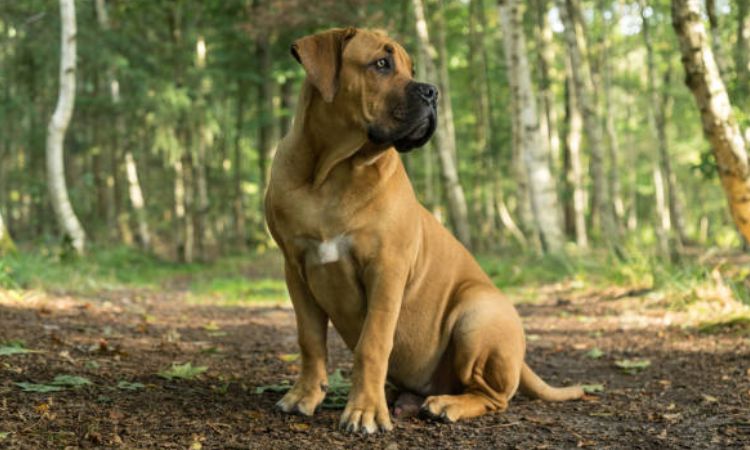
A Boerboel’s size isn’t just impressive—it directly shapes the kind of environment and lifestyle the breed requires. Their substantial weight and height make small apartments or cramped living spaces a poor match; these dogs thrive in homes with generous room to move, ideally with a securely fenced yard where they can stretch their legs and burn off energy. Their large body also means they consume more food than the average dog, which raises the overall cost of feeding and caring for them—from high-quality nutrition to joint-support supplements and routine veterinary visits. But size also plays an essential role in what the Boerboel was bred to do: guard. Their powerful build, combined with natural confidence and awareness, makes them highly effective deterrents and dependable protectors when properly trained and socialized.
Boerboel Height and Weight
Adult Boerboel Height
Male Height (Dogs)
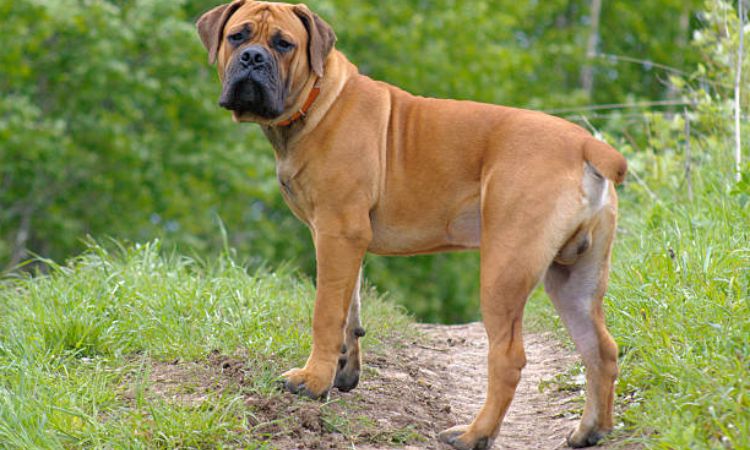
Adult male Boerboels are impressively tall and commanding. According to widely accepted breed standards, males typically stand between 24 and 27 inches at the shoulder, with many well-bred dogs falling close to the ideal height of about 26 inches. A correct male should appear tall, powerful, and well-structured without looking exaggerated or leggy. Their height contributes significantly to their presence as working guardians, giving them the stature needed to oversee and protect large properties.
Female Height (Bitches)
Female Boerboels are slightly shorter but still large and imposing. Their height usually falls between 22 and 25 inches at the shoulder, with the ideal height around 24 inches. A proper female maintains the same proportional balance and working-dog silhouette as the male but with a slightly more refined outline.
Key Takeaway
The Boerboel is a sexually dimorphic breed—meaning the difference between males and females is noticeable. Males consistently appear larger, broader, and more heavily muscled, while females maintain a strong yet more feminine build. This distinction is a hallmark of the breed and part of what gives Boerboels their iconic look.
Adult Boerboel Weight
Male Weight
A fully mature male Boerboel is an absolute powerhouse, with most adults weighing between 150 and 200 pounds. Some exceptionally large males may exceed this range, but responsible breeders focus more on correct proportions and stability rather than extreme size.
Female Weight
Adult females are slightly lighter but still fall into the giant-dog category. A healthy adult female generally weighs between 120 and 165 pounds, with many well-conditioned bitches settling in the mid-140s to mid-150s. They carry their mass more compactly than males but remain equally athletic and capable.
Important Note
In Boerboels, weight should never be prioritized over structure. The breed standard emphasizes a dog that is muscular, fit, and agile—not overweight. A correct Boerboel should have substantial muscle mass, a deep chest, and a solid frame, but they must retain fluid movement and working capability.
Boerboel Body Proportions and Appearance
The Boerboel’s body is designed for power, stability, and endurance. Their structure reflects centuries of selective breeding for farm protection in South Africa.
- Length-to-Height Ratio: Boerboels are typically slightly longer than they are tall, often falling close to a 10:9 or similar balanced ratio. This gives them a sturdy, grounded appearance and allows for strong rear-drive movement when running or working.
- Musculature: Everything about the Boerboel’s build conveys strength. They have a broad chest, thick neck, strong shoulders, and a heavily muscled rear, creating a blocky and powerful silhouette. Their physique should appear athletic, not bulky to the point of affecting mobility.
Overall, the Boerboel’s proportions, height, and mass work together to produce a guardian dog that is both imposing and functional—capable of quick bursts of speed, powerful defense, and controlled, confident movement.
Boerboel Puppy Growth and Development
1. The Boerboel Growth Curve
Boerboels grow at an impressive pace, but like most giant breeds, they take their time reaching full maturity. While they shoot up rapidly during the first year—sometimes doubling in size within just a few months—their skeletal system, joints, and overall frame continue developing until roughly 18 months to 2 years of age. Mental maturity can take even longer. This slow-and-steady developmental timeline is completely normal for such a powerful, heavy-boned working breed. Owners should expect dramatic size changes during the first 12 months, followed by a more gradual filling-out phase where the chest broadens, the muscles thicken, and the characteristic Boerboel mass finally settles in.
2. Boerboel Puppy Weight Chart
Because Boerboels vary widely depending on genetics, sex, and individual growth rate, no two puppies follow the exact same curve. However, the chart below offers a general estimate of what a healthy growth progression may look like:
| Age | Estimated Weight Range (lbs) |
| 3 Months | 30–45 lbs |
| 6 Months | 80–100 lbs |
| 1 Year | 125–175 lbs |
| 2 Years (Full Grown) | 150–200 lbs |
Many Boerboels fall slightly above or below these ranges, but the key marker of healthy development is steady, proportional growth rather than rapid weight gain or early over-muscling.

3. Crucial Considerations for Puppy Growth
Because Boerboels are giant-breed dogs with heavy frames, the choices you make during their first two years directly influence their lifelong health.
- Feed the right diet:
Boerboel puppies should be fed a large- or giant-breed puppy formula specifically designed to support slow, controlled growth. These recipes balance calcium, phosphorus, and calories to help developing bones harden properly without putting excess strain on joints. Overfeeding or offering high-calorie “growth boosters” can lead to orthopedic problems later in life.
- Protect their joints:
High-impact activities—such as long runs, repeated jumping, climbing stairs excessively, or rough play on slippery surfaces—should be avoided during the first year. A Boerboel puppy’s joints and growth plates are extremely vulnerable; too much force too early can lead to long-term issues like hip dysplasia, elbow dysplasia, or chronic lameness. Controlled walks, free play on soft ground, and gentle strength-building activities are ideal until maturity.
- Monitor growth carefully:
Boerboels grow so fast that owners must consistently track body condition. The puppy should remain athletic and well-muscled, never overweight, to prevent unnecessary pressure on the developing skeleton.
The True Cost of Owning a Boerboel
Owning a Boerboel is a long-term commitment that goes well beyond the initial price of the puppy. This breed is large, intelligent, and protective, making it a rewarding companion—but also a potentially expensive one. Understanding both the upfront and ongoing costs can help ensure you are prepared to provide a healthy, happy life for your dog.
1. Initial Boerboel Price/Adoption Cost
The first financial consideration when getting a Boerboel is the purchase or adoption price.
- Cost from a Reputable Breeder: A Boerboel from a reputable breeder typically ranges between $1,500 and $5,000, with the upper end reflecting dogs with excellent pedigrees, champion bloodlines, AKC registration, and verified health testing. Puppies from top-tier breeders often come with complete documentation and health guarantees, which justifies the higher cost. In some rare cases, exceptionally well-bred Boerboels can even reach $6,000 or more.
- Cost from Rescue or Adoption: Adopting a Boerboel from a shelter or rescue is usually far less expensive, often ranging from $200 to $800, depending on the organization. Many rescued puppies or adult dogs are already vaccinated, spayed/neutered, and may have some basic training, which can offset some initial costs.
- Factors Affecting Price: Several variables influence how much you pay, including:
- Bloodlines: Dogs with champion or show-quality lineage are more expensive.
- Breeder Reputation: Established breeders who adhere to health and breed standards charge more than backyard breeders or puppy mills.
- Location: Prices can vary based on geographic region and local demand.
- Gender and Color: Males or certain coat colors may cost more, particularly if they are intended for breeding.
2. Ongoing Monthly Expenses
Once you bring your Boerboel home, ongoing costs can be significant due to their size and care requirements.
- Food: Boerboels are giant dogs that can weigh up to 200 pounds when fully grown. Feeding such a large dog a high-quality, breed-specific kibble or veterinary-recommended diet can cost $150–$200 per month. Cheaper food may save money initially but can increase health risks over time.
- Veterinary Care: Large breeds like the Boerboel incur higher veterinary costs. Medication and anesthesia doses are calculated based on weight, making surgeries, dental work, and emergency procedures more expensive. Routine vet visits, vaccines, and preventive care may range from $50–$100 per visit, with additional costs for boosters, exams, or unexpected health issues.
- Supplies: Standard dog supplies often won’t suffice. You’ll need extra-large and durable crates, beds, leashes, and collars. Toys must also withstand heavy chewing, and enrichment items help manage the breed’s energy. Monthly supply costs may average $50–$150, depending on what you purchase.

3. Health and Lifespan
Understanding the health profile and longevity of a Boerboel is crucial when evaluating the total cost of ownership.
- Lifespan: Boerboels typically live 10–12 years, though proper care, diet, and exercise can impact longevity.
- Common Health Issues: Due to their size, Boerboels are prone to specific health challenges, including:
- Hip and Elbow Dysplasia: Joint problems that can require surgery or lifelong management.
- Bloat (Gastric Dilatation and Volvulus, GDV): A life-threatening condition requiring immediate veterinary intervention.
- Dilated Cardiomyopathy (DCM): A heart condition that may require medication and monitoring.
- Insurance: Given these risks, pet insurance is highly recommended. For Boerboels, premiums generally range from $40–$60 per month, providing coverage for emergency surgeries, medications, and other health care needs. This acts as a financial safety net for unexpected medical expenses that could otherwise reach thousands of dollars.
While the initial cost of a Boerboel puppy might be substantial—anywhere from $1,500 to $5,000+—the total investment includes monthly food, supplies, veterinary care, and insurance. Large-breed health concerns also make pet insurance a practical consideration. Responsible planning ensures your Boerboel enjoys a long, healthy life while preventing financial strain for you as an owner.
Living with a Giant: Space and Exercise Needs
1. Housing Requirements
Boerboels are massive, muscular dogs that can weigh up to 200 pounds and stand over two feet tall at the shoulder. Because of their size, they are not suitable for apartment living or small indoor spaces. Attempting to keep a Boerboel in a confined environment can lead to frustration, stress, and behavioral issues such as destructive chewing, excessive barking, or restlessness. These dogs need ample room to move freely, both indoors and outdoors, to feel comfortable and maintain their physical health.
For ideal housing, Boerboels require a securely fenced yard. Their natural guardian instincts and protective behavior mean they may attempt to patrol or explore boundaries if the area is not properly enclosed. A high, durable fence is recommended, as their strength allows them to easily jump over or push through weak barriers. In addition, providing shaded areas, access to fresh water, and a comfortable outdoor space allows these gentle giants to relax, stretch, and expend energy safely.
Even with access to a yard, Boerboels still need regular indoor interaction with their family. They thrive on companionship, and isolation for long periods can lead to boredom and anxiety. Therefore, housing for a Boerboel should combine spacious outdoor areas with ample indoor space, ensuring they can move, play, and interact comfortably.
2. Exercise Needs
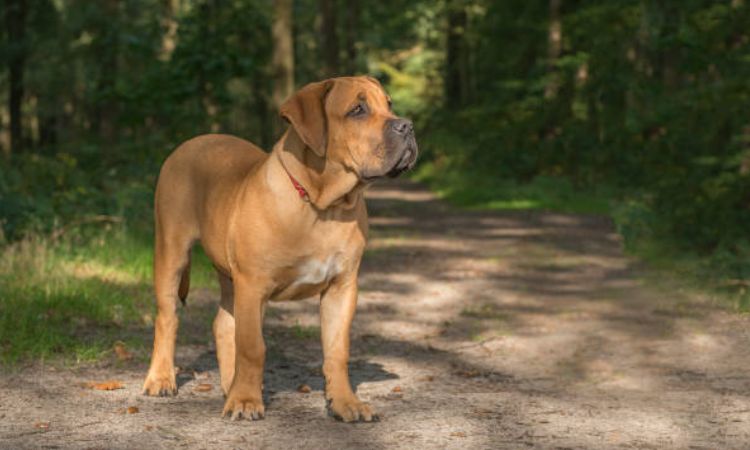
Despite their large size, Boerboels are moderate-energy dogs rather than hyperactive breeds. They do not require constant high-intensity exercise, but they do need daily physical activity to stay healthy and maintain muscle tone. On average, 30–60 minutes of structured exercise per day is sufficient for most adult Boerboels. This can include long walks on a leash, controlled play sessions in the yard, or light jogging.
Boerboels are surprisingly agile and athletic for their size. Their muscular build and strong limbs allow them to perform tasks such as climbing, pulling, and sprinting short distances, reflecting their historical role as farm and livestock guardians. Providing activities that engage both their body and mind is essential. Interactive games, obedience training, and supervised exploration can satisfy their natural curiosity and intelligence while preventing boredom-related behaviors.
Additionally, because Boerboels are prone to joint issues like hip and elbow dysplasia, exercise should be controlled and low-impact for young puppies and older adults. Avoid long, high-impact activities on hard surfaces, and instead focus on walking, swimming, and gentle play that encourages movement without straining their joints.
By balancing their exercise requirements with mental stimulation and safe, secure living spaces, Boerboels can thrive as loyal, calm, and well-adjusted companions, demonstrating both their guardian instincts and affectionate nature in a family setting.