
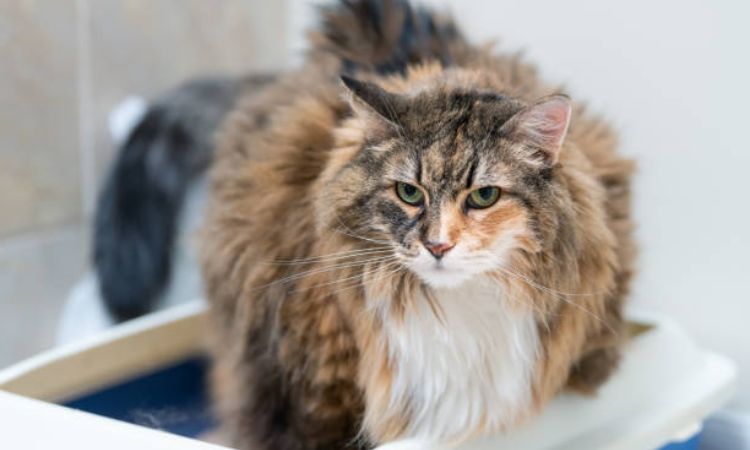
Your cat hops into the litter box, scratches around, strains for a moment… and hops right back out. No mess, no results—just a quiet warning sign many cat owners miss. Constipation may sound minor, but when stool lingers in the colon, it hardens and builds up, turning an uncomfortable moment into a painful problem if left unchecked. Understanding what’s really happening inside your cat’s digestive system is the first step toward helping your feline friend feel like themselves again.
What Is Cat Constipation?
Cat constipation is a digestive condition in which a cat has infrequent, difficult, or painful bowel movements. Instead of passing soft, well-formed stool, constipated cats produce dry, hard feces—or may be unable to pass stool at all. This happens when waste remains in the colon for too long, allowing excessive water to be absorbed and causing the stool to become compacted and difficult to expel.
In healthy cats, bowel movements are typically regular and predictable. Most cats defecate at least once a day, or every 24 to 36 hours. While minor variations can be normal, going longer than this—especially when paired with straining or discomfort—often signals a problem. Constipation should never be dismissed as a minor issue, because prolonged or repeated episodes can progress to more serious conditions such as obstipation or megacolon, both of which may require intensive veterinary care.
1. Common Causes of Constipation in Cats
Constipation in cats rarely occurs without a reason and is often the result of multiple contributing factors. One of the most common causes is dehydration. Cats that do not drink enough water, particularly those fed primarily dry food, are more likely to develop hard, dry stools that are difficult to pass. Diets that are low in fiber can further slow intestinal movement, while obesity and inactivity reduce normal gut motility, increasing the risk of stool retention.
Hairballs are another frequent contributor, especially in long-haired cats. Ingested fur can mix with stool and create blockages in the colon. Painful conditions such as arthritis may also play a significant role, as cats with joint pain may avoid climbing into litter boxes, especially those with high sides, leading them to hold their stool longer than they should.
Stress is another often-overlooked factor. Changes in the home environment, conflict with other pets, loud noises, or an unclean litter box can cause cats to delay using the box. Over time, this stool retention can result in constipation. In some cases, constipation is linked to underlying medical conditions such as kidney disease, neurological disorders, or megacolon—a condition in which the colon becomes enlarged and loses its ability to move stool effectively.
2. Symptoms Owners Should Watch For
The most noticeable sign of constipation is straining in the litter box with little or no stool produced. Cats may crouch for extended periods, repeatedly enter and exit the box, or appear uncomfortable while trying to defecate. When stool is passed, it is often small, hard, dry, or pebble-like in appearance.
Cats may also cry out, vocalize, or show clear signs of discomfort during attempts to poop. In more advanced cases, constipation affects a cat’s overall behavior and health. Many constipated cats eat less, vomit due to abdominal discomfort or nausea, and become noticeably lethargic. It is also common for cats to hide, avoid interaction, or even stop using the litter box altogether.
Because straining can also indicate serious conditions such as urinary blockage—especially in male cats—any changes in litter box behavior should be taken seriously. Early recognition of these symptoms and prompt veterinary evaluation are essential to prevent constipation from progressing into a more dangerous and painful condition.
5 Vet-Approved Home Remedies for Mild Cat Constipation
Occasional constipation can happen even in otherwise healthy cats, especially during periods of stress, dietary changes, or mild dehydration. The following home remedies are intended only for mild, short-term constipation and should always be used with guidance from your veterinarian. If your cat is straining, vomiting, in pain, or has gone more than 48–72 hours without a bowel movement, home care is not enough and veterinary treatment is required. When used appropriately, however, these vet-approved strategies can help restore normal bowel function and keep constipation from becoming a recurring problem.
Remedy #1: Boost Your Cat’s Hydration
Dehydration is one of the most common contributors to constipation in cats. When the body doesn’t have enough water, the colon pulls extra moisture from stool, leaving it hard, dry, and difficult to pass. Improving hydration is often the single most effective step in relieving mild constipation.
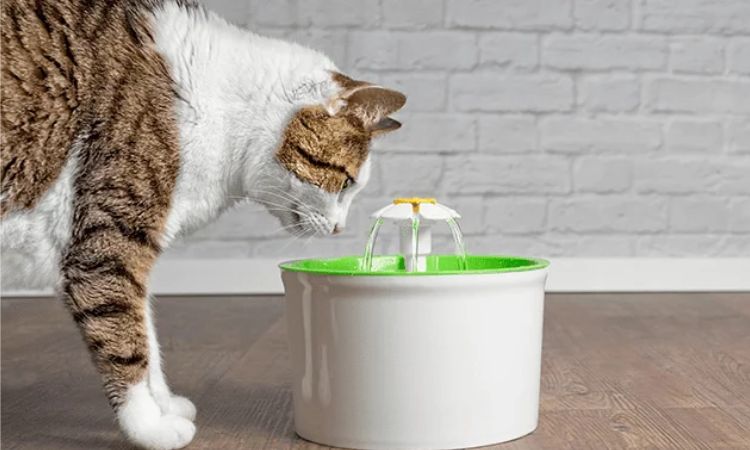
One of the easiest ways to increase fluid intake is to switch part or all of your cat’s diet to wet food. Canned diets naturally contain significantly more moisture than dry kibble and help keep stool softer. You can also mix a small amount of warm water or low-sodium, onion-free broth into your cat’s food to further increase fluid consumption while making meals more appealing.
Encouraging drinking outside of meals is just as important. Offer multiple water bowls throughout your home, especially in quiet, low-traffic areas. Many cats prefer running water, so a cat water fountain can be especially effective at increasing daily water intake. Bowls should be cleaned regularly and made of materials such as ceramic, glass, or stainless steel, which some cats find more palatable than plastic.
Remedy #2: Add Gentle Dietary Fiber
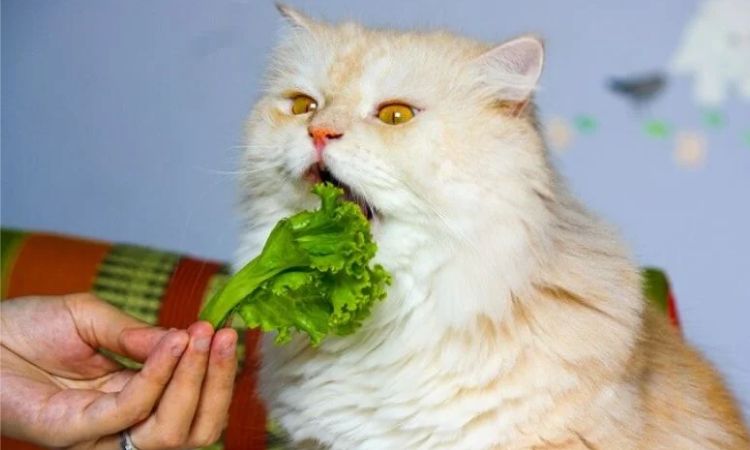
Fiber plays a key role in regulating bowel movements by adding bulk and helping stool move through the colon more efficiently. For some constipated cats, especially those with mild or intermittent issues, increasing dietary fiber can make a noticeable difference.
Veterinary-formulated high-fiber diets are often the safest and most balanced way to increase fiber intake. In some cases, your veterinarian may recommend adding a small amount of fiber supplement, such as psyllium husk, to your cat’s regular food. These supplements must be used carefully and only under veterinary direction to ensure proper dosing and to avoid worsening symptoms.
Fiber should always be introduced gradually. Adding too much too quickly can cause gas, bloating, or diarrhea, which may make your cat more uncomfortable. A slow transition allows the digestive system to adjust while minimizing unwanted side effects.
Remedy #3: Pumpkin and Natural Laxative Foods
Plain canned pumpkin is one of the most commonly recommended natural remedies for mild feline constipation. Pumpkin is rich in soluble fiber and can help soften stool while supporting healthy digestion. It’s important to use 100% plain pumpkin, not pumpkin pie filling, which contains sugar and spices that are unsafe for cats.

A typical starting amount is about ½ to 1 teaspoon mixed into food once or twice daily, though the exact amount should be confirmed by your veterinarian based on your cat’s size and condition. Many cats accept pumpkin readily when it’s blended into wet food.
Some natural options are occasionally discussed in veterinary settings, including ginger, very small amounts of olive or coconut oil, or diluted aloe vera juice. While these substances may have mild laxative properties, they should never be used without veterinary approval, as incorrect dosing or improper products can be harmful. What works safely for one cat may be dangerous for another, particularly those with underlying health conditions.
Remedy #4: Encourage Movement and Reduce Stress
Physical activity plays an important role in maintaining normal intestinal movement. Cats that are sedentary or overweight are more prone to constipation because reduced activity slows gut motility. Increasing daily movement can help stimulate the digestive tract and support regular bowel habits.
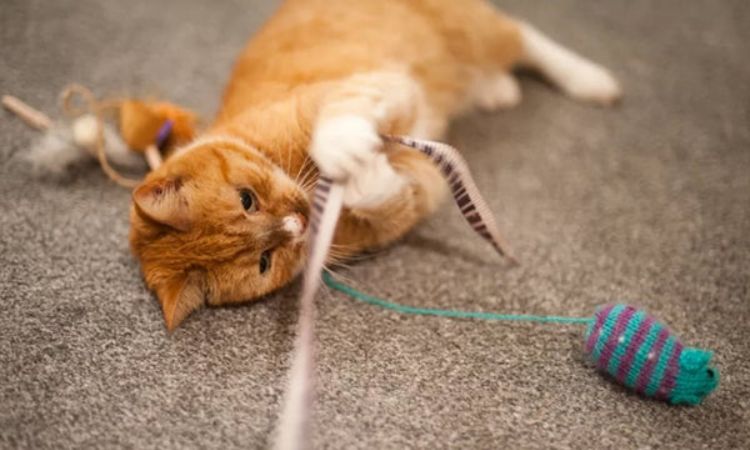
Engage your cat in interactive play sessions using toys that encourage chasing, jumping, and stalking. Even 10–15 minutes of active play once or twice a day can improve overall digestion. Cat trees, scratching posts, and puzzle feeders also promote natural movement and mental stimulation.
Stress reduction is equally important. Cats are highly sensitive to changes in their environment, and stress can cause them to avoid the litter box or hold stool longer than normal. Make sure the litter box is located in a quiet, easily accessible area, away from loud appliances and foot traffic. Maintaining a consistent daily routine, providing safe hiding spots, and minimizing household disruptions can all help reduce anxiety and support healthy elimination habits.
Remedy #5: Vet-Recommended Laxatives and Probiotics at Home
In some cases, your veterinarian may recommend medications or supplements to manage mild constipation at home. Osmotic laxatives such as polyethylene glycol (commonly known as Miralax) or lactulose work by drawing water into the stool, making it softer and easier to pass. Hairball lubricants may also be used when swallowed fur contributes to stool buildup.
These products must only be given under veterinary guidance. Dosing varies widely based on the cat’s size, hydration status, and underlying health conditions, and improper use can worsen dehydration or mask serious problems.
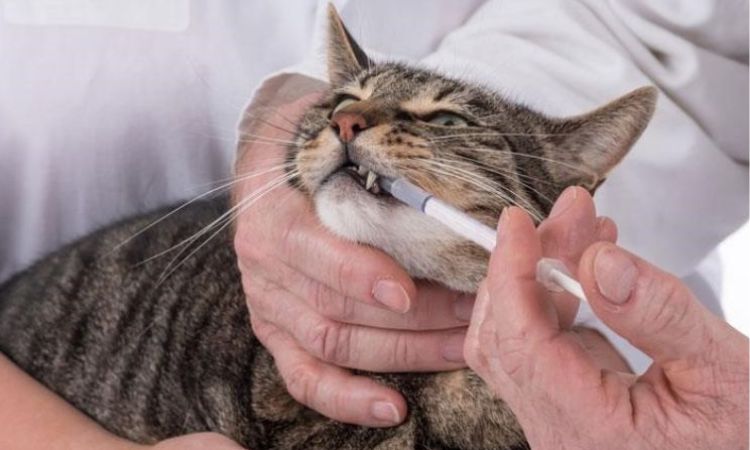
Feline probiotics may also be recommended to support healthy gut bacteria and improve stool quality over time. While probiotics are not a quick fix, they can be helpful as part of a long-term management plan, particularly for cats prone to recurring digestive issues.
When to See the Vet
Constipation in cats can range from mild and occasional to severe and potentially life-threatening. Knowing when to seek veterinary care is crucial to prevent complications such as obstipation or megacolon. Use the following guidance to determine if your cat needs immediate attention:
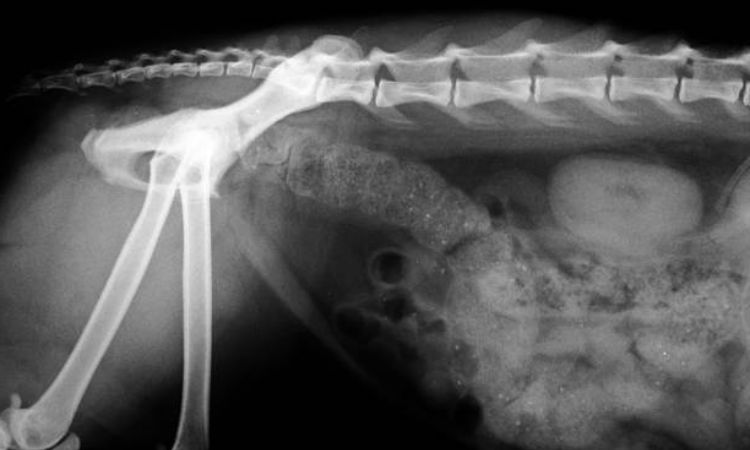
Seek veterinary care if your cat shows any of the following:
- No bowel movement for 24–48 hours, especially if your cat is straining.
- Repeated straining in the litter box with little or no stool production.
- Signs of pain or distress, such as crying, vocalizing, or leaving the litter box before finishing.
- Vomiting, lethargy, loss of appetite, or hiding behavior.
- Abdominal swelling or bloating, difficulty jumping, or stiff movement.
- Suspected intestinal obstruction (e.g., after ingesting a foreign object, string, or bones).
- Chronic or recurring constipation that may indicate megacolon or another underlying medical condition.
Possible in-clinic treatments include:
- Intravenous fluids to correct dehydration and soften stool.
- Enemas performed safely by a veterinarian (never administer human enemas at home).
- Manual removal of impacted feces under sedation if necessary.
- Prescription diets formulated for gastrointestinal health or high fiber content.
- Medications to stimulate intestinal motility or manage chronic constipation and megacolon.
Prompt veterinary attention can relieve discomfort, prevent long-term complications, and address any underlying health issues causing constipation. Waiting too long can make treatment more difficult and may require surgical intervention.
FAQs About Cat Constipation
1. How long is too long for a cat not to poop?
Cats typically have a bowel movement at least once every 24–36 hours, so if your cat hasn’t defecated within 24–48 hours, it could indicate constipation. If more than 48–72 hours pass without a bowel movement, or if your cat is straining, vomiting, lethargic, or showing signs of discomfort, it is considered an urgent situation that requires veterinary attention. Early intervention is crucial to prevent complications such as obstipation or megacolon, which can become serious or life-threatening.
2. Is olive oil, coconut oil, or milk safe for constipated cats?
Small amounts of olive oil or coconut oil can sometimes act as mild lubricants to help ease stool passage, but they must only be used under veterinary guidance to avoid side effects like diarrhea or vomiting. Milk is generally unsafe for constipated cats because many cats are lactose intolerant, and drinking milk can worsen gastrointestinal upset rather than help relieve constipation. Always consult a veterinarian before trying any home remedies.
3. Can chronic constipation be cured?
Chronic constipation in cats is typically manageable rather than curable, especially when caused by underlying conditions like megacolon, kidney disease, arthritis, or neurological issues. Management often involves long-term dietary adjustments, including high-fiber or specialized veterinary diets, hydration support, medications to improve gut motility, and lifestyle changes such as regular exercise and stress reduction. Some cats may require lifelong treatment, and in severe cases of megacolon that do not respond to medical therapy, surgical removal of the affected colon segment may be recommended. The goal is to maintain regular, comfortable bowel movements and prevent complications rather than achieve a permanent “cure.”