
Even if your cat seems perfectly playful and alert, not peeing is never “just a phase.” Cats are experts at hiding discomfort, and a sudden inability to urinate can escalate quickly into a life-threatening emergency.
Known as a urinary blockage, this condition can cause severe pain, kidney failure, and dangerous electrolyte imbalances within hours. Understanding the risks, potential causes, and warning signs is crucial—because in these cases, every minute counts.
Is It Normal for a Cat to Stop Peeing But Seem Fine?
Cats are notorious for hiding discomfort or illness—a survival instinct inherited from their wild ancestors. Unlike humans, who may vocalize pain or seek help when unwell, cats often mask physical problems until they become severe. This means that even if your cat appears perfectly normal—playing, eating, and behaving as usual—a sudden stop in urination is never normal and should always be taken seriously. A cat that is not peeing may still look “fine” outwardly, but internally, they could be experiencing a life-threatening urinary obstruction, kidney stress, or infection.
What is a Normal Urination Pattern for Cats?
Understanding what “normal” looks like can help you quickly identify warning signs. Most healthy adult cats urinate about 2 to 4 times per day, although this can vary slightly based on water intake, diet (wet versus dry food), age, and activity level. Each urination should produce a moderate amount of urine, and the cat should exhibit little to no strain while going.
Other signs of normal urination include:
- Consistent frequency: Urinating multiple times a day without long gaps.
- Steady output: A moderate amount of urine each visit, forming distinct clumps in clumping litter.
- No visible discomfort: The cat should not vocalize, strain, or lick excessively around the genital area while urinating.
If your cat stops peeing entirely, even for just 12–24 hours, this is a serious red flag. Since cats can hide pain, you might not notice obvious signs like crying, pacing, or lethargy until the condition has progressed. Checking litter box habits regularly is critical because subtle changes in urination frequency, output, or behavior are often the first indicators of a urinary issue.
Typical Daily Pee Frequency
| Age/Type | Normal Pee Frequency |
| Adult cats | 2–4 times/day |
| Kittens | 4–6 times/day (smaller volumes) |
| Senior cats | 2–5 times/day (may vary with kidney function or hydration) |
Even if your cat seems fine, an absence of urination is an emergency. Immediate veterinary care is necessary to rule out urinary obstruction, infections, or other serious medical conditions.
Male vs. Female: Why the Risk Levels Differ
When a cat is not urinating but appears otherwise healthy, it can be alarming. While both male and female cats can experience urinary issues, the risks and underlying causes differ significantly between the sexes, largely due to anatomical and physiological differences. Understanding these differences can help cat owners recognize danger signs and act promptly.
Male Cat not peeing but acting normal
Male cats are at a much higher risk of developing urinary obstructions, sometimes referred to as a “blocked cat,” which is a life-threatening emergency. The primary reason lies in their anatomy: the male cat’s urethra is long and narrow, making it easier for debris, crystals, or mucus plugs to completely block urine flow. Even a small accumulation of sediment or inflammation can prevent the bladder from emptying, causing toxins to build up in the blood and leading to kidney damage, electrolyte imbalances, and potentially death within 24–48 hours if untreated.
Some of the most common causes of urethral obstruction in male cats include:
- Mucus plugs: Composed of crystals, inflammatory cells, and mucus, these can easily get lodged in the narrow urethra.
- Crystals or stones (struvite or calcium oxalate): These can form in the bladder and travel into the urethra, causing complete blockage.
- Inflammation from urinary tract infections or cystitis: Even without stones, swelling of the urethra can reduce urine flow and increase the risk of obstruction.
Because of these risks, a male cat who is not urinating—even if drinking, eating, and behaving normally—requires immediate veterinary evaluation. Early recognition and treatment, such as catheterization, IV fluids, and anti-inflammatory medications, can be life-saving.
Signs that a male cat may be blocked include repeated trips to the litter box with little or no urine, vocalizing while attempting to urinate, lethargy, vomiting, and abdominal discomfort. Cat owners should never assume that a cat who “seems fine” is safe; urinary obstruction can progress rapidly.
Female cat not peeing but acting normal
Female cats, on the other hand, have wider and shorter urethras, which makes complete urinary obstruction from plugs or stones much less common. While this anatomical difference reduces the risk of life-threatening blockages, female cats are more prone to severe urinary tract infections (UTIs) and bladder inflammation (cystitis). These conditions can make urination painful and difficult, creating the impression that the cat cannot pee, even though the urine is technically able to pass.
Common causes in female cats include:
- Urinary Tract Infections (UTIs): Bacterial infections can irritate the bladder and urethra, causing frequent trips to the litter box, straining, and vocalization during urination.
- Idiopathic or stress-related cystitis: Inflammation without a bacterial cause can make urination uncomfortable, sometimes leading cats to avoid the litter box. Stress from environmental changes, new pets, or household disruptions often triggers these episodes.
- Bladder stones or crystals: Less common than in males, but still possible, especially in older female cats.
Although UTIs and cystitis are usually not immediately life-threatening like urethral obstruction in males, they can lead to complications if left untreated. Chronic inflammation may increase the risk of recurrent urinary issues or secondary infections, and in rare cases, severe infections can compromise kidney function.
Signs that a female cat may be experiencing a urinary problem include frequent but small urinations, vocalizing while urinating, hiding, excessive grooming of the genital area, and sometimes blood in the urine. Prompt veterinary attention is recommended to identify the cause and provide antibiotics, anti-inflammatories, or dietary changes as needed.
Common Causes for a “Dry” Litter Box
A litter box that remains dry despite your cat’s repeated visits is often an important warning sign that something is wrong. One of the most serious causes is a urethral obstruction, where crystals, stones, or mucus plugs block the urethra and prevent urine from leaving the bladder. This condition is particularly dangerous in male cats, as their narrow urethras make them more prone to complete blockages.
Another potential culprit is Feline Lower Urinary Tract Disease (FLUTD), a broad term that covers various urinary problems, including inflammation, bladder irritation, and sometimes crystalline deposits, all of which can make urination difficult or uncomfortable.
Cystitis, especially idiopathic or stress-induced inflammation (also called Feline Idiopathic Cystitis, FIC), can cause cats to avoid the litter box altogether, often leading them to hide or seek out unusual places to urinate.
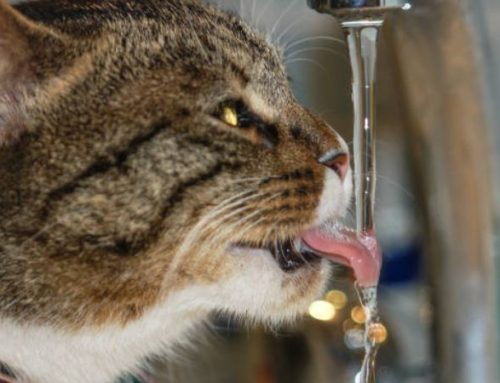
Dehydration is another common factor—if a cat isn’t drinking enough water, they may not produce sufficient urine, making the litter box appear dry.
Finally, behavioral or environmental factors can play a role; moving the litter box, changing the type of litter, or having a dominant “bully” cat guarding the box can all discourage a cat from using it, even when their urinary system is healthy. Observing your cat carefully and noting any additional symptoms like straining, vocalizing, or lethargy can help determine whether a veterinary visit is urgent.
Subtle Signs You Might Be Missing
Even when a cat appears normal, there can be quiet warning signs that something is wrong with their urinary system. Cats are masters at hiding pain or discomfort, so it’s crucial to pay attention to small behavioral changes.
- Frequent Trips to the Litter Box with Little or No Result
Cats may repeatedly visit the litter box trying to urinate but produce little or no urine. This can indicate a partial or developing urinary blockage, irritation from crystals, or inflammation in the bladder. Even if the litter appears dry or the cat eventually pees elsewhere, repeated attempts should never be ignored. - Excessive Licking of the Genital Area
Cats often lick their genital area to soothe discomfort caused by urinary issues. Overgrooming can be a subtle signal of cystitis, urinary tract infection (UTI), or an impending obstruction. If you notice your cat spending more time than usual cleaning themselves “down there,” it’s time to take notice. - Low-Level Restlessness or Hiding in Unusual Spots
A cat experiencing mild discomfort may not vocalize immediately but may show subtle changes in activity. This can include pacing, shifting positions frequently, or hiding in uncommon locations. These behaviors often reflect discomfort or stress linked to urinary problems like feline lower urinary tract disease (FLUTD) or early-stage blockages. - Vocalizing Near the Litter Box
Some cats may meow or cry specifically when trying to use the litter box. Unlike general meowing, this vocalization usually indicates discomfort or pain during urination. Even if the cat is eating, playing, and behaving normally otherwise, this specific sign can be a red flag.
Paying close attention to these subtle behaviors can help catch urinary issues early, potentially preventing serious emergencies like a full urethral blockage. If you notice any of these signs, contact a veterinarian promptly—even if your cat seems otherwise healthy.
When to Call the Vet (Immediate Red Flags)
Urinary issues in cats can escalate rapidly, especially in males, turning a subtle problem into a life-threatening emergency in as little as 24–48 hours. Even if your cat has seemed “normal” until now, certain signs indicate you need to seek veterinary care immediately.
- Vomiting or Loss of Appetite: If your cat suddenly refuses food or starts vomiting, this can signal toxin buildup in the blood due to a blocked bladder. These symptoms are a serious warning that the kidneys are struggling to function and that urgent medical intervention is required.
- Hard, Painful Abdomen: A distended, firm, or tender belly often indicates that the bladder is overfilled and unable to empty. Applying gentle pressure may cause your cat to react with pain or vocalization. This is a classic sign of urinary obstruction, which can lead to bladder rupture or severe kidney damage if untreated.
- Rapid Onset of Lethargy: Even cats that have been “acting normal” can deteriorate quickly. Lethargy, weakness, or unusual inactivity often follows the early stage of urinary distress. These behavioral changes can occur suddenly and indicate that the cat’s condition is worsening.
- Straining or Posturing in the Litter Box: Repeated attempts to urinate with little or no output, sometimes accompanied by crying or vocalization, are hallmark signs of a blockage. This symptom should never be ignored. If your cat is straining, especially with other red flags, it is an emergency requiring immediate veterinary attention.
Any combination of vomiting, abdominal pain, lethargy, and straining signals an urgent problem. Do not wait to see if it resolves on its own. Contact your veterinarian or the nearest emergency clinic immediately. Prompt action can save your cat’s life and prevent long-term kidney damage.
You Might Also Be Interested In: Cat peeing blood treatment
Conclusion
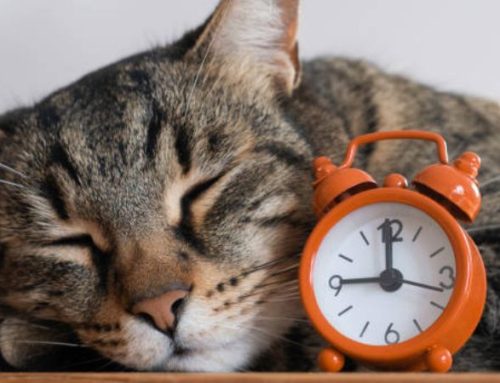
In feline medicine, “acting normal” is often a mask. Cats are masters at hiding discomfort until a condition reaches a critical breaking point. While it’s tempting to wait and see if their behavior changes, a dry litter box is a clock ticking against your cat’s internal chemistry.
Missing a single day of urination can lead to a rapid buildup of toxins that the body simply cannot clear on its own. Whether it’s a physical blockage in a male cat or a severe inflammatory episode in a female, the window for safe intervention is incredibly narrow. Prioritizing a vet visit today—even if they seem perfectly fine—is the only way to ensure a manageable issue doesn’t transform into a life-threatening crisis. Your cat’s health is worth the “unnecessary” trip to the clinic.