
Your cat may spend more time asleep than awake, but those long, lazy naps are anything but meaningless. From curling into a perfect little ball to stretching out in ways that defy basic anatomy, every sleeping position your cat chooses is a quiet form of communication. Long before they purr or meow, cats “speak” through body language even in their sleep and the way they nap can reveal how safe, relaxed, and connected they feel in your home.
The Secret Language of Feline Slumber
Did you know your cat spends anywhere from 12 to 16 hours a day in various states of rest? While it might look like pure laziness, each nap is far from random. Every curl, stretch, or loaf-like pose tells a story about how your cat perceives its environment, balances comfort with caution, and even communicates trust or vulnerability.
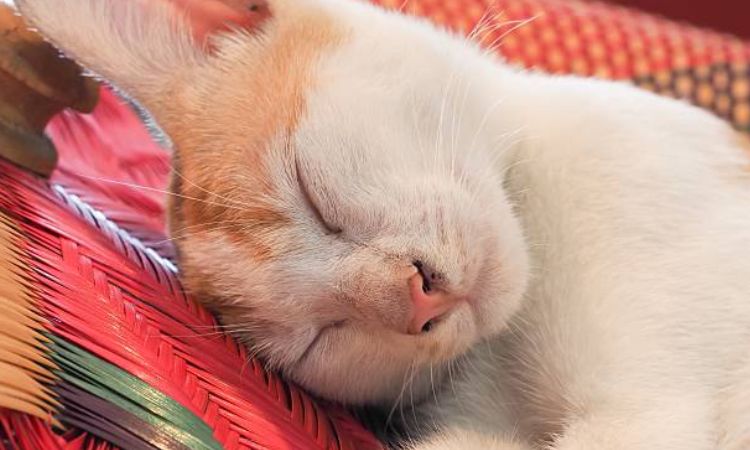
Cats are unique in that they are both predators and prey. This dual role shapes their sleep behavior: they need to conserve energy for bursts of activity, while simultaneously staying alert to potential threats. Even the simplest sleeping position can reveal layers of instinctual behavior—whether it’s curling into a tight ball to protect vital organs, sprawled out in full belly-up confidence, or perching on high surfaces to observe the surroundings.
This guide dives deep into the subtle language of feline slumber. You’ll discover the most common cat sleeping positions, decode what each one says about your cat’s level of trust and comfort, and learn to recognize when a change in sleep habits might signal stress, illness, or discomfort. By understanding these patterns, you’ll gain insight into your cat’s emotional world, their instincts, and the unique ways they feel safe, loved, and at ease in your home.
The “Trust Scale”: 20 Iconic Cat Sleeping Positions Explained
1. Sleeping on the Back – Belly Fully Exposed
When a cat lies on its back with its belly completely exposed, it is demonstrating one of the clearest signs of trust possible. The abdomen houses the most vital and vulnerable organs, so revealing it during rest shows the cat feels fully secure in its environment. Cats in this position are not only physically relaxed but also emotionally confident, signaling that they perceive no imminent threats. This posture is often accompanied by limbs splayed comfortably, eyes closed or half-lidded, and soft, rhythmic breathing, highlighting a deep sense of safety and contentment with their human companions or surroundings.
2. Curled Into a Tight Ball
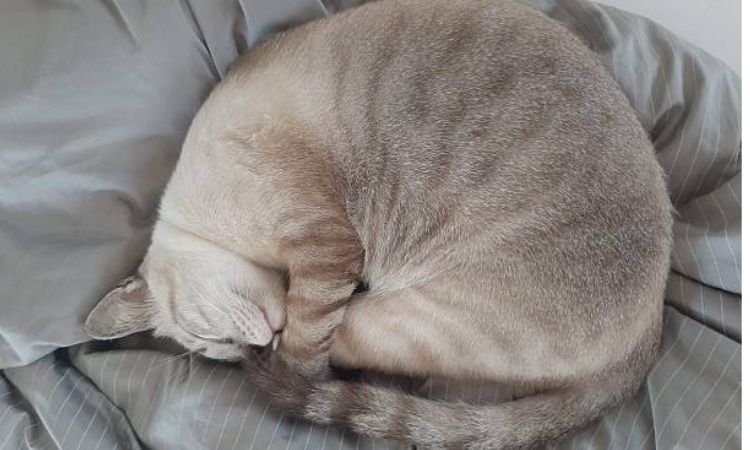
A classic and instinct-driven position, curling into a compact ball allows a cat to conserve body heat while simultaneously protecting its vital organs. This is especially common in cooler rooms or unfamiliar settings, where the need for warmth and security is stronger. While the cat appears small and cozy, this pose reflects a blend of comfort and caution: the cat feels safe enough to rest but maintains a subtle readiness to respond if something unexpected occurs. It’s a beautiful reminder of their wild heritage, where self-protection and energy conservation were crucial to survival.
3. Sitting Upright
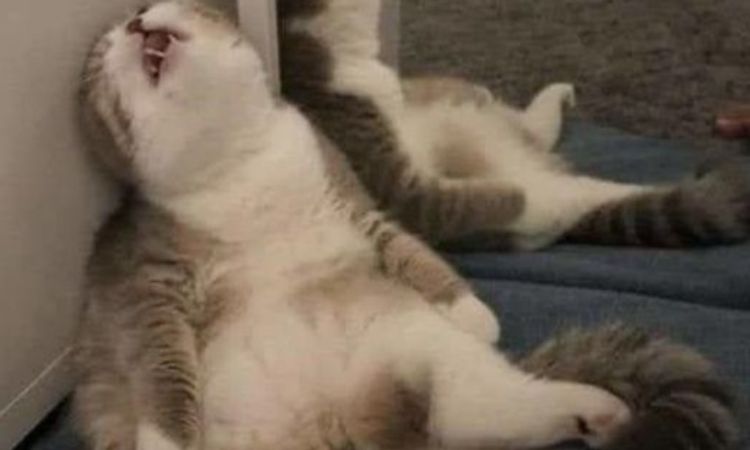
Cats sometimes choose to sleep while sitting upright, a posture that gives the impression of being half-awake. This position allows the cat to remain alert while still taking a break from full activity. It supports the spine and back muscles and makes grooming more convenient between naps. Sitting upright often indicates confidence in the surroundings: the cat trusts that it can remain undisturbed while still being prepared to spring into action at a moment’s notice. This subtle blend of rest and vigilance is a hallmark of feline instinct.
4. Twisted or “Uncomfortable-Looking” Poses
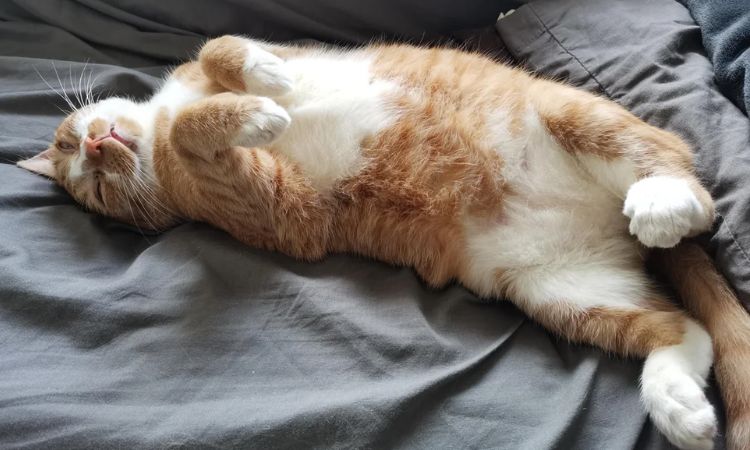
Cats have extraordinary flexibility thanks to uniquely structured spines and loosely attached shoulder blades. This allows them to twist, bend, and contort into positions that might seem awkward—or even uncomfortable—to human eyes. In reality, these unusual angles are often where cats experience some of their deepest sleep. A seemingly precarious pose may, in fact, reflect complete relaxation and trust in their environment, demonstrating that comfort for a cat is less about symmetry and more about personal security and physical freedom.
5. The Loaf Position
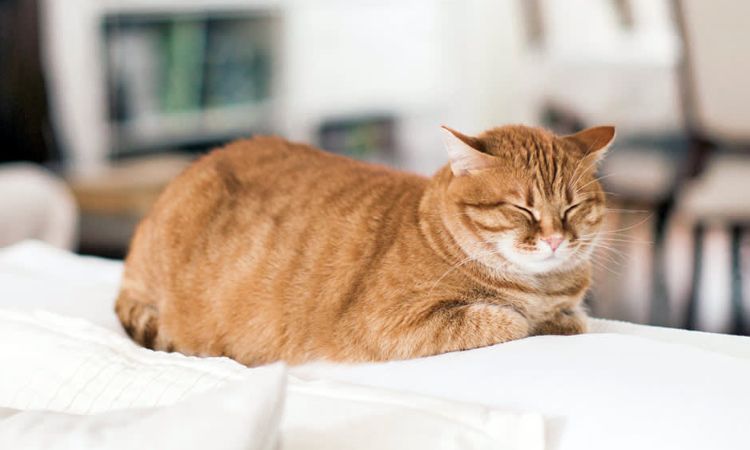
The well-known “bread loaf” posture, where a cat tucks its paws neatly under its chest while keeping its head upright, is a fascinating blend of rest and alertness. Cats in this position are not in deep sleep; instead, they are calm but prepared to react quickly if needed. It signals a moderate level of trust: the cat feels relaxed and safe enough to rest, yet it maintains readiness to respond to environmental changes. Observing a cat loafing near you can indicate contentment without complete surrender, balancing relaxation with instinctive awareness.
6. Perched on Furniture or High Surfaces
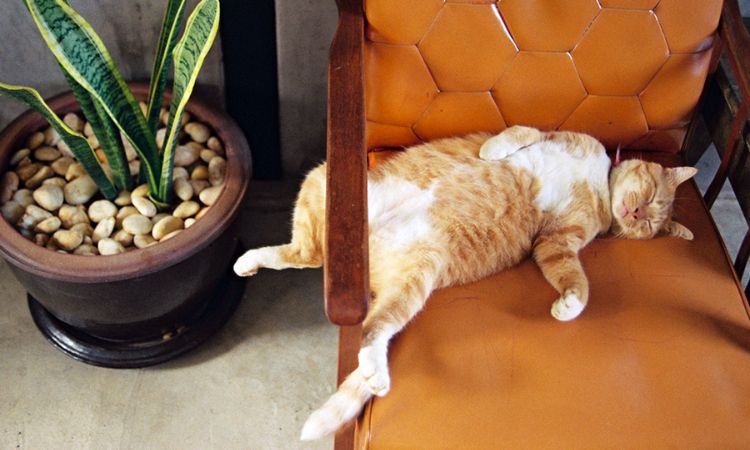
Cats instinctively seek elevated spots to rest, whether that’s the back of a couch, the top of a bookshelf, or a windowsill. Being up high provides a sense of security by reducing the likelihood of unexpected threats, fulfilling both predator instincts and personal safety needs. From this vantage point, cats can survey their surroundings, monitor activity, and feel in control without physically engaging with potential disturbances. This behavior reflects their ancestral need to stay alert while resting, allowing them to conserve energy yet maintain constant awareness. Elevated perches also satisfy their curiosity and playful nature, giving them the confidence to observe household dynamics or other pets from a safe distance.
7. Sleeping on the Side
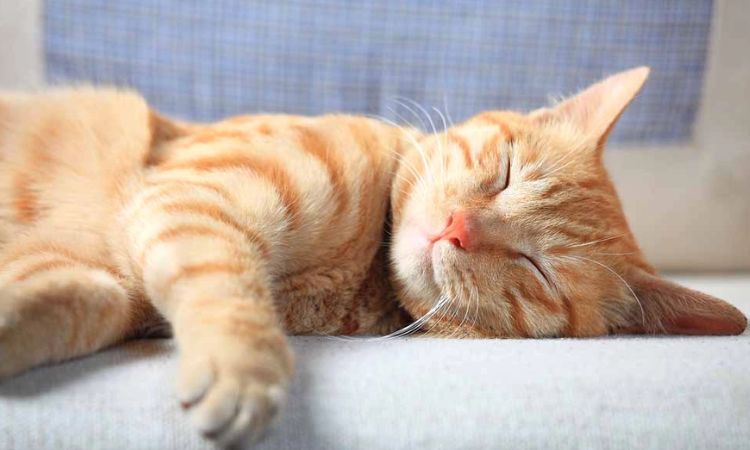
When a cat lies on its side with limbs fully extended, it’s a clear indicator of comfort and trust in the environment. Unlike the curled-up position, sleeping on the side exposes the belly and vital organs, signaling that the cat feels safe from danger. This posture also allows for a quick and effortless escape if the cat perceives a threat, combining relaxation with instinctive preparedness. Side sleepers often enter deeper stages of rest, making this position common during long, uninterrupted naps. The openness of the posture demonstrates confidence while preserving readiness, showing a balance between vulnerability and security.
8. Sleeping With Other Cats
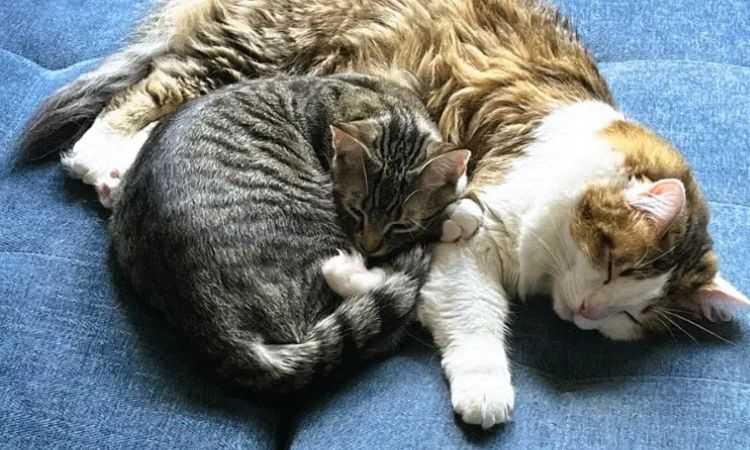
Cats that sleep alongside other felines are communicating a strong sense of social bonding and mutual trust. Sharing a bed, blanket, or cozy spot provides warmth and a comforting tactile connection, often accompanied by synchronized purring or gentle nuzzles. This closeness promotes emotional security and reduces stress, mimicking the shared protection and warmth that kittens would experience with their littermates. Observing multiple cats sleeping together reveals established hierarchies, friendships, and mutual respect, and it also highlights the cat’s ability to find companionship and emotional reassurance through physical proximity.
9. On Your Chest
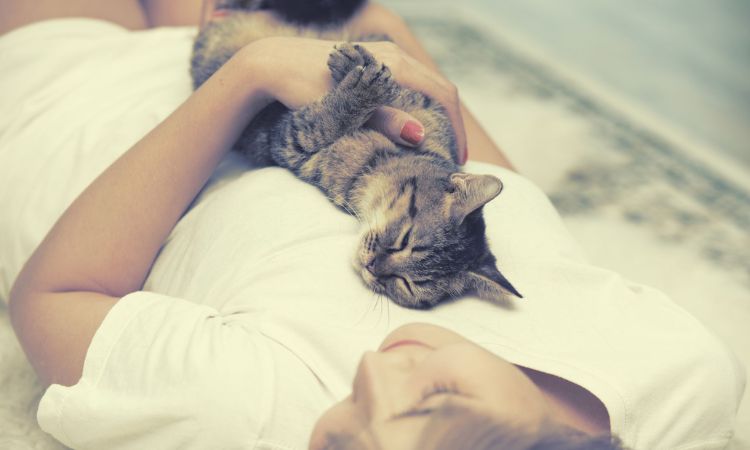
A cat choosing to nap on your chest demonstrates a profound level of emotional attachment and trust. Cats are drawn to the warmth of your body and the rhythmic patterns of your heartbeat and breathing, which mimic the comforting sensations they experienced as kittens. This intimate position fosters bonding and provides a soothing sense of security, signaling that the cat views you as a safe protector. Cats resting on your chest often nuzzle or knead gently, showing affection while remaining attuned to your movements and moods. This posture blends the desire for warmth, companionship, and reassurance into a single deeply trusting gesture.
10. On Your Head or Pillow
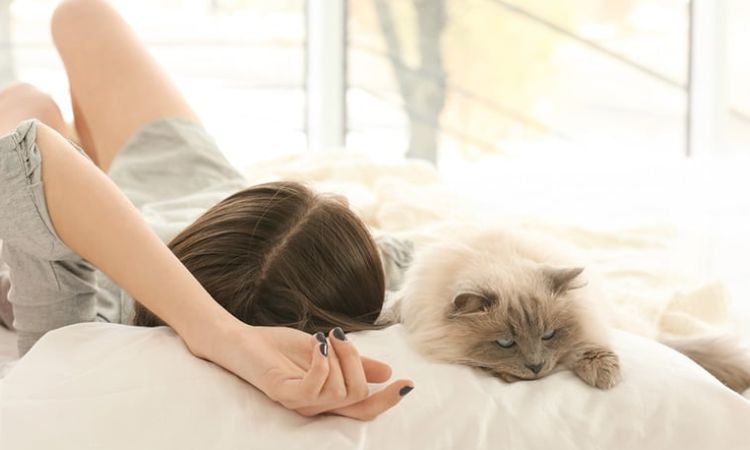
Sleeping near or on your head is a fascinating combination of practicality and affection. Your head provides a soft, stable surface, enriched with your personal scent, which reassures the cat of your presence and safety. From this position, the cat can monitor subtle movements and even wake you if attention or food is required, demonstrating a subtle control over its environment while remaining close. This behavior highlights the cat’s preference for proximity, warmth, and security, blending instinctual comfort with the trust that you will remain a consistent source of protection and care.
11. Beside You
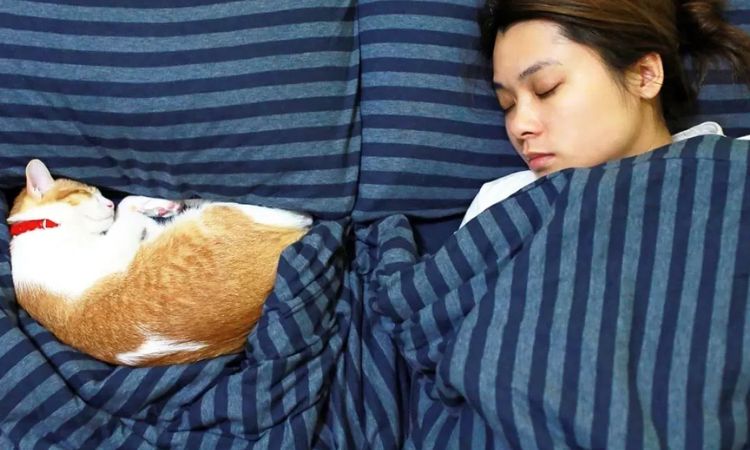
When a cat chooses to rest next to you rather than on top of your body, it’s a subtle but powerful demonstration of trust. This position communicates that the cat feels safe in your presence while still valuing a degree of personal space. Lying beside you allows the feline to relax completely without feeling crowded, striking a balance between intimacy and independence. Cats in this posture are demonstrating confidence in their environment, showing that they are secure enough to let their guard down near you, yet they maintain the freedom to move or leave quickly if needed. This behavior reflects both affection and self-assuredness.
12. Tucked Under Blankets
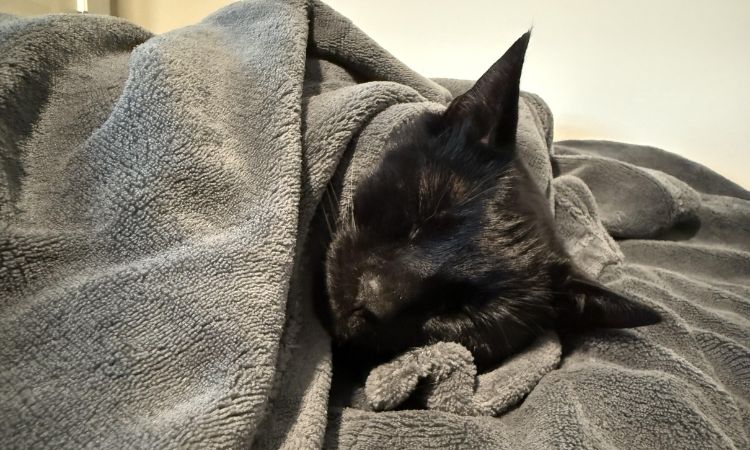
Cats that burrow under blankets are seeking more than just warmth—they are creating a personal sanctuary that shields them from light, noise, and even sudden movements in their environment. This cozy hiding spot, often enriched with the familiar scent of the home or owner, provides a heightened sense of security. Sleeping under covers allows cats to feel enveloped and protected while maintaining sensory awareness of their surroundings. However, because this position can obscure a cat from view, it requires human vigilance to ensure the animal’s safety. Overall, blanket burrowing reflects a combination of comfort, instinctual protection, and reliance on the trusted human to maintain a safe environment.
13. Between Your Legs
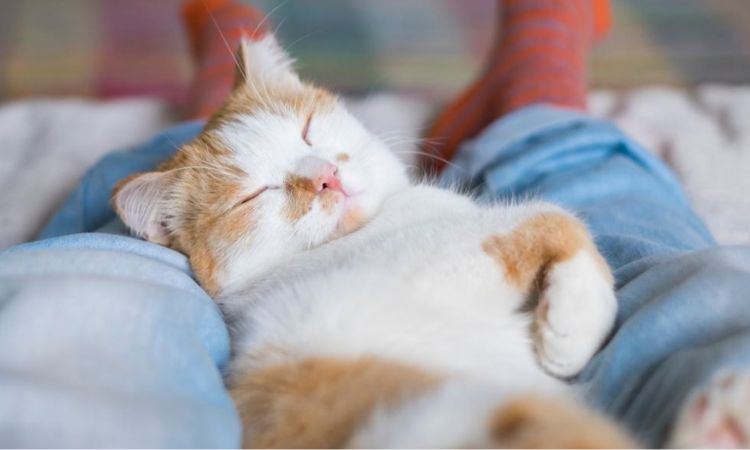
Resting between your legs is a particularly intimate sleeping choice that offers both physical warmth and a sense of enclosure reminiscent of a nest. This position allows a cat to feel protected on multiple sides while still leaving a clear escape path in case of sudden disturbances. The pressure of your legs provides subtle reassurance and a steady, calming rhythm akin to being swaddled, while the spatial arrangement satisfies the feline’s natural desire for both security and mobility. Cats using this posture demonstrate attachment, confidence in your presence, and the instinct to merge safety with comfort.
14. Sleeping in the Litter Box
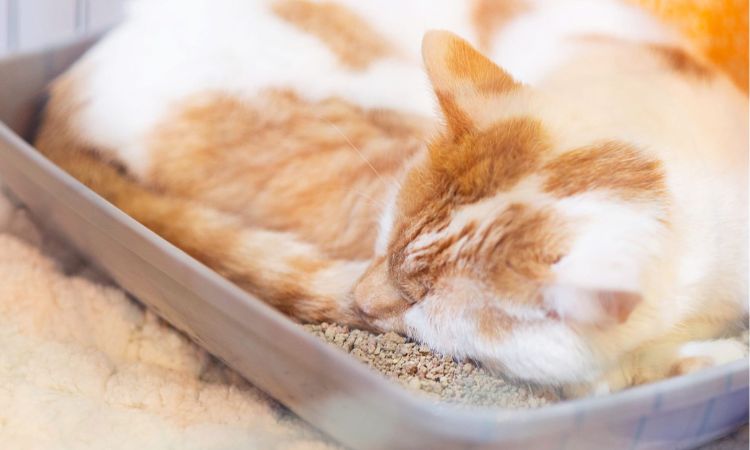
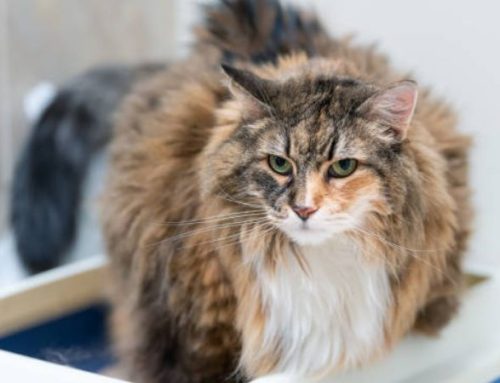
While it might seem odd or amusing, a cat that chooses to sleep in its litter box often signals discomfort or a medical concern. This behavior can indicate urinary or digestive distress, pain, or stress, as the cat may associate the litter box with safety or a familiar confined area during illness. Because resting in the litter box is atypical and potentially dangerous due to hygiene concerns, it strongly warrants prompt veterinary attention. Observing this position is crucial for understanding sudden behavioral changes, and it should always prompt a careful health assessment to ensure the cat’s well-being.
15. At Your Feet
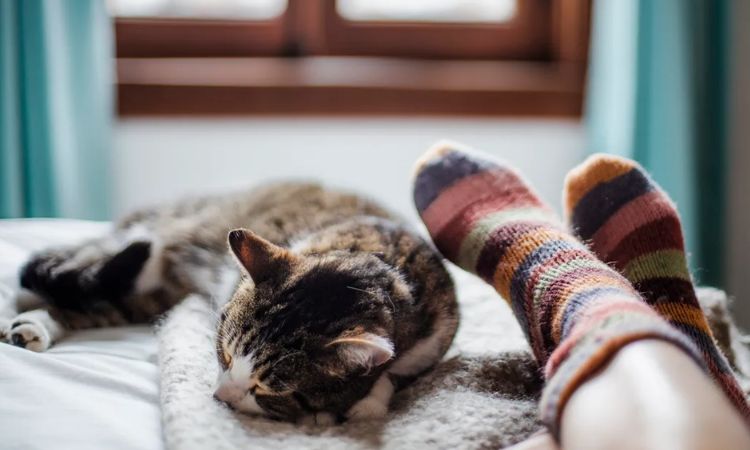
When a cat chooses to sleep at the foot of your bed or couch, it demonstrates a unique combination of closeness and caution. This position allows the feline to stay near its trusted human while maintaining an easy exit path, a natural instinct for safety. Resting at your feet provides warmth from your body without restricting its movement, giving the cat both comfort and security. Cats adopting this posture are signaling that they feel connected to you but also wish to preserve a sense of independence and readiness to react if necessary.
16. Sleeping With Eyes Open or Half-Open
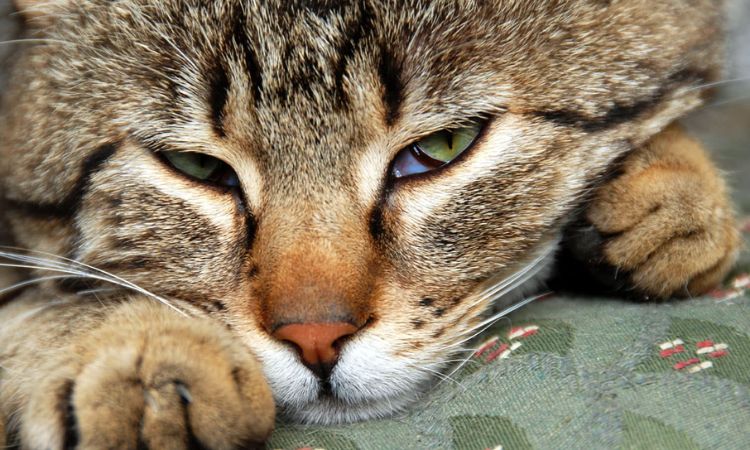
Cats sometimes sleep with their eyes partially or even fully open, a behavior linked to their translucent third eyelid. This anatomical feature protects the eyes and keeps them moist, even during light slumber. Despite appearing alert, cats in this state often experience REM sleep, allowing them to dream while remaining semi-vigilant. Observing a cat with half-open eyes can be normal, but persistent squinting, discharge, or pawing at the eyes may indicate an underlying medical issue that requires prompt veterinary evaluation. This sleeping style reflects both the feline’s adaptability and evolutionary instincts as a predator and prey animal.
17. Sleeping With a Dog
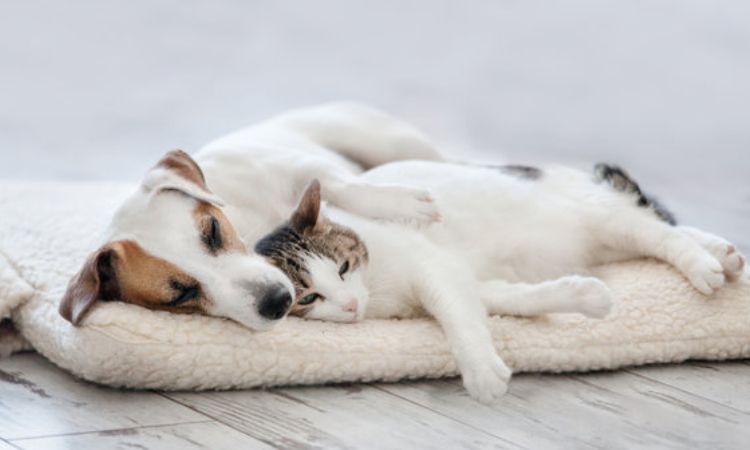
Although cats and dogs are often portrayed as natural adversaries, many domestic felines can form strong bonds with canine companions. When a cat rests next to a dog, it reflects deep trust, emotional comfort, and a willingness to share personal space. The physical closeness provides shared body warmth, soothing rhythmic vibrations from breathing, and a sense of companionship. Cats that adopt this position demonstrate social flexibility and attachment, showing that they feel protected even alongside another species that might be considered a potential threat in the wild.
18. Paws Covering the Eyes
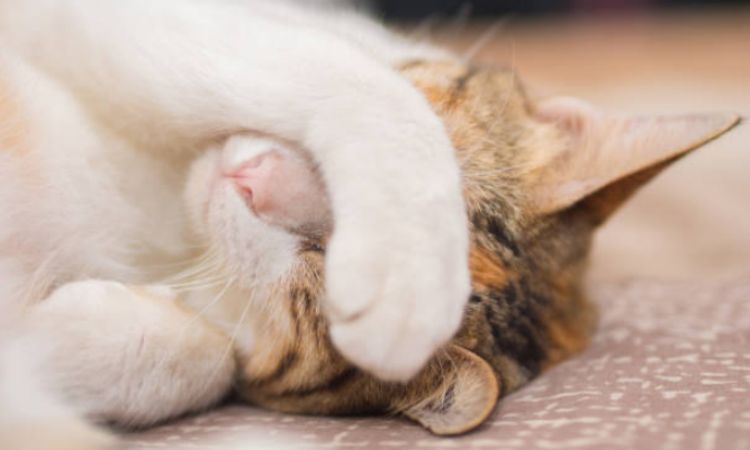
Covering the face with paws is both practical and endearing. This posture helps block out light, creating a darker, more conducive sleeping environment, while also conserving body heat. Essentially, the cat is using its paws as a natural sleep mask, shielding itself from visual and sensory disturbances. Cats in this position are often in a deep, undisturbed slumber, signaling that they feel secure enough to completely relax. It’s a simple, instinct-driven method for maximizing comfort while maintaining a sense of personal space.
19. The Superman Stretch
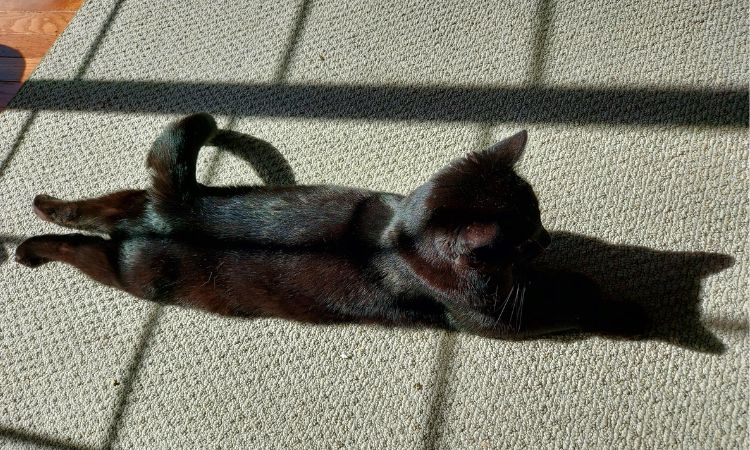
The “Superman” position, with the cat lying belly-down and all four legs fully extended, highlights both relaxation and readiness. Cats in this stretch maintain contact with the surface beneath them, which can vary from a warm blanket to a cool tile depending on ambient temperature. This posture keeps the body fully elongated, supporting muscles and joints while still allowing for rapid movement if needed. Despite its seemingly casual appearance, the Superman pose reflects a cat that is physically comfortable yet prepared, demonstrating the feline balance between ease and alertness.
20. Inside a Box
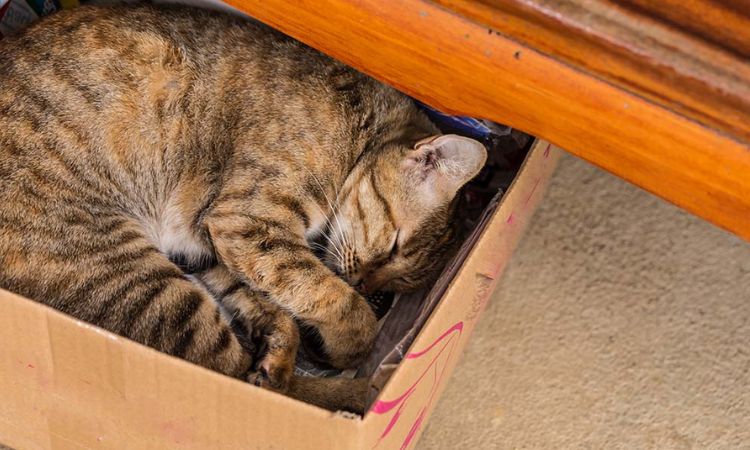
Sleeping inside a box or similarly enclosed space taps into a cat’s primal instincts for safety and security. The confined environment mimics a den, providing privacy, warmth, and protection from potential threats. Small boxes, in particular, create a snug, swaddling effect that can calm the cat and reduce stress. This behavior is both comforting and instinctual, reflecting the feline’s need for a controlled, enclosed area where it can relax completely while staying alert to the surroundings. Cats in boxes often exhibit a sense of contentment, safety, and psychological well-being.
When Should You Worry?
Cats are masters of subtle communication, and changes in their sleeping behavior can often signal underlying health or emotional issues. While variations in nap spots and positions are usually harmless, certain patterns deserve careful attention. Observing your feline’s habits can help detect early signs of discomfort, stress, or illness before they escalate.
1. Hiding to Sleep
If a cat that is normally social and interactive suddenly starts retreating to hidden areas such as closets, under beds, or behind furniture, this can be a red flag. Cats instinctively seek secure, enclosed spaces when they are feeling stressed, anxious, or physically unwell. Prolonged hiding may indicate pain from injuries, gastrointestinal discomfort, urinary tract issues, or even more serious conditions. Owners should monitor for additional symptoms like reduced appetite, vocalizations of distress, or changes in litter box habits. Prompt veterinary evaluation is recommended to rule out medical problems and address behavioral stressors.
2. Head Pressing
Sleeping or resting with the head pressed firmly against a wall, corner, or other hard surface is an urgent medical concern. Known as “head pressing,” this behavior can signal severe neurological problems such as brain tumors, encephalitis, liver disease, or toxic exposure. Unlike typical curiosity or comfort-seeking postures, head pressing is persistent and unnatural. If you observe this behavior, it is considered a medical emergency, and your cat should be taken to a veterinarian immediately. Early intervention can be critical in addressing potentially life-threatening conditions.
3. Change in Routine
Cats are creatures of habit, and sudden, drastic shifts in sleeping patterns—such as new nap locations, unusual durations, or irregular sleep cycles—may indicate health or environmental issues. For example, a cat that previously enjoyed napping in open areas might begin isolating itself, or one that normally stretches out might curl tightly in unusual spots. Such changes can stem from pain, illness, anxiety, or environmental stressors like new pets, visitors, or loud noises. Observing your cat’s overall demeanor, appetite, and mobility alongside sleep changes can help determine whether veterinary attention is warranted.
Cat owners might be interested: How many hours a day do cats sleep by age