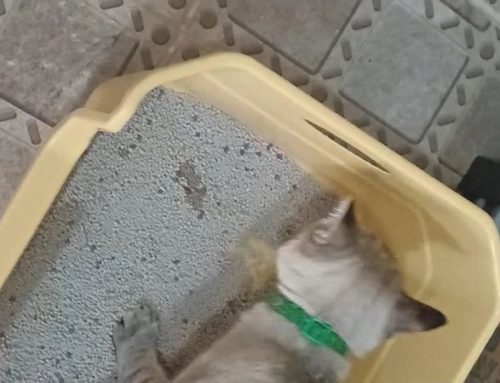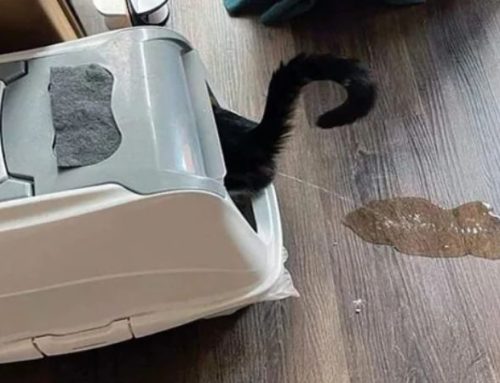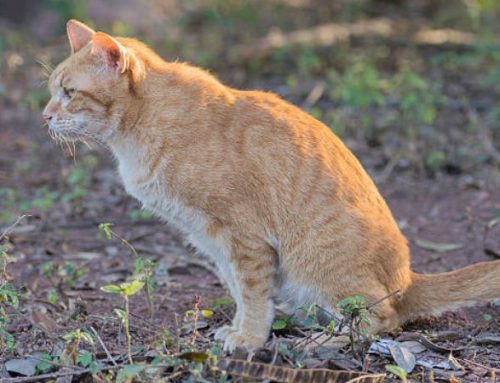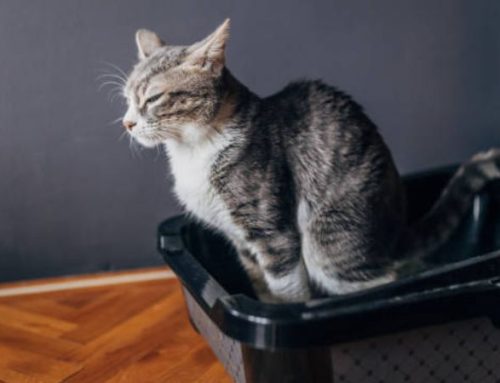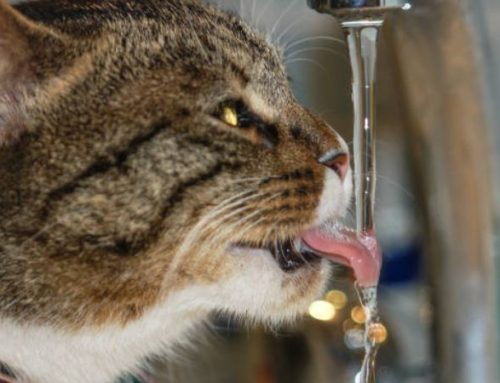

Watching your cat crouch in the litter box, straining and meowing in discomfort, is a heart-stopping experience for any pet owner. Urination should be a simple, effortless act, but when it becomes a struggle, it’s a clear warning sign that something serious is happening inside your cat’s body.
From hidden crystals to stress-triggered inflammation, understanding why your feline is straining to pee and what to do about it—can be the difference between a quick recovery and a life-threatening emergency.
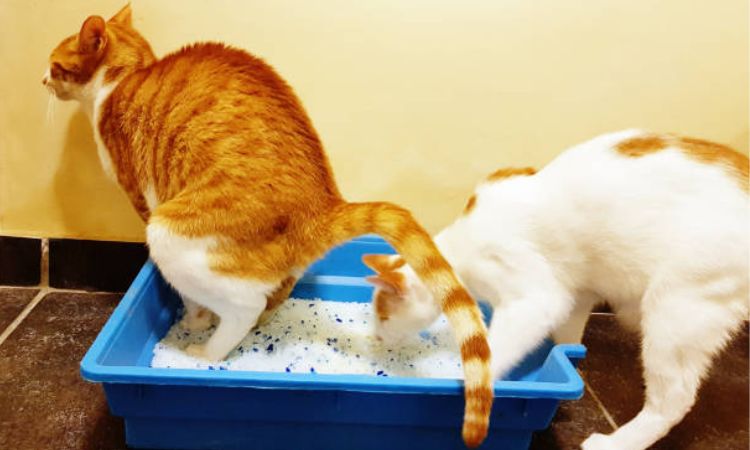
Common Causes of a Cat Straining to Pee
Whenever a cat is straining to urinate, it is a sign that something is wrong, and every potential cause requires prompt veterinary assessment. Urinary issues in cats can range from temporary irritation to life-threatening emergencies, so understanding the underlying causes is crucial for timely and effective care.
1. Feline Lower Urinary Tract Disease (FLUTD)
Feline Lower Urinary Tract Disease, or FLUTD, is an umbrella term used to describe a variety of conditions affecting the bladder and urethra. These conditions can include bladder inflammation, formation of urinary crystals, and bladder stones. FLUTD is not a single disease but a collection of urinary disorders that share similar symptoms, including straining to urinate, frequent litter box visits, and sometimes blood in the urine.
Several factors increase the risk of FLUTD. Cats that live exclusively indoors may have less physical activity, which can contribute to urinary stagnation. Obesity is another risk factor, as excess weight can exacerbate inflammation and make cats more prone to urinary problems. Low water intake, especially in cats fed primarily dry kibble, can concentrate the urine and promote crystal formation. Additionally, stress—such as changes in the household, introduction of new pets, or even minor environmental disruptions—can trigger or worsen urinary symptoms in cats prone to FLUTD.
2. Urinary Tract Infection (UTI)
A urinary tract infection occurs when bacteria invade the bladder, causing inflammation and irritation. UTIs can lead to painful urination, frequent attempts to urinate, and in some cases, blood in the urine. While true UTIs are relatively uncommon in young, healthy cats, they become more likely in older cats or those with other underlying health conditions, such as kidney disease or diabetes. Prompt veterinary diagnosis is essential because untreated infections can spread to the kidneys and cause more serious systemic complications.
3. Urethral Obstruction (Blocked Cat)
A urethral obstruction, sometimes referred to as a “blocked cat,” is a critical condition in which the urethra becomes partially or completely blocked, preventing urine from leaving the bladder. This leads to a dangerous buildup of toxins in the blood, electrolyte imbalances, and severe kidney strain. Male cats are at the highest risk because their urethras are narrow, making it easier for crystals, mucus plugs, or small stones to lodge and create a blockage. A blocked cat requires immediate veterinary attention—delaying treatment even for a few hours can become life-threatening.
4. Bladder Stones and Crystals
Mineral crystals can form in a cat’s urine, and over time, these crystals may aggregate into larger stones that irritate the bladder lining or obstruct the urinary tract. Several factors influence stone formation, including diet, urine pH, and genetic predisposition. Cats fed high-mineral dry diets, or those with naturally concentrated urine due to low water intake, are more prone to developing these painful stones. In some cases, stones may require surgical removal, while in others, dietary management can help dissolve them and prevent recurrence.
5. Feline Idiopathic Cystitis (FIC)
Feline Idiopathic Cystitis, or FIC, refers to inflammation of the bladder without a clear infectious cause. Stress is considered a major trigger for FIC, making it one of the most common causes of recurrent urinary problems in otherwise healthy cats. FIC often leads to painful urination, blood in the urine, and repeated flare-ups that can be distressing for both the cat and the owner. Management typically focuses on reducing environmental stress, increasing water intake, and sometimes using medications to relax the bladder or reduce pain during flare-ups.
6. Other Less Common Causes
While FLUTD, UTIs, urethral obstructions, stones, and FIC account for the majority of urinary issues, other less common causes may include bladder tumors, anatomical abnormalities of the urinary tract, spinal or nerve disorders affecting bladder control, and prostate disease in intact male cats. These conditions are relatively rare, but they can produce symptoms similar to more common urinary problems. Only a veterinarian can differentiate between these conditions and determine the correct diagnosis and treatment plan.
Symptoms Owners Should Never Ignore
Recognizing the signs of urinary distress in your cat is crucial, as early detection can prevent serious complications. While some symptoms may appear subtle at first, they often indicate that your cat is experiencing discomfort or potentially life-threatening urinary problems. All of these signs warrant veterinary assessment to ensure your cat receives prompt and appropriate care.
General Signs of Urinary Discomfort
There are several behaviors and physical indicators that may suggest your cat is having trouble urinating:
- Frequent litter box visits with little to no urine output: Cats may enter the litter box multiple times, strain, and leave without producing a normal amount of urine. This is often one of the first warning signs of urinary distress.
- Crying or vocalizing while attempting to urinate: Painful urination often causes cats to meow, yowl, or hiss while in the litter box.
- Excessive licking of the genital area: This behavior is a common response to irritation or inflammation of the bladder or urethra.
- Restlessness or hiding: Cats may pace, appear anxious, or hide more than usual due to discomfort.
- Changes in litter box habits: Some cats may avoid the litter box altogether, urinating in inappropriate places such as on beds, couches, or soft surfaces when they are uncomfortable or associate the box with pain.
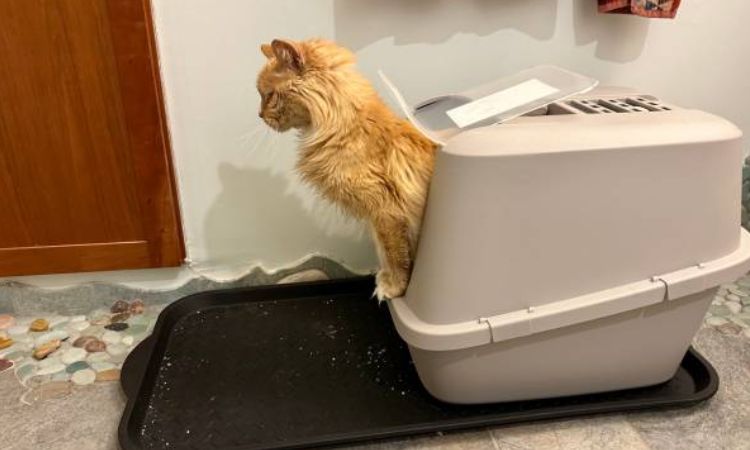
Emergency Signs That Require Immediate Veterinary Care
Certain symptoms indicate a serious medical emergency and should never be ignored:
- Complete inability to urinate: If your cat is straining but producing little or no urine, it may be experiencing a urethral obstruction, a condition that can be fatal within 24 to 48 hours.
- Swollen or hard abdomen: A distended bladder is extremely painful and signals urine is backing up into the kidneys, increasing the risk of kidney failure.
- Vomiting or lethargy: Toxin buildup from urinary blockage can quickly affect the entire body, leading to vomiting, extreme fatigue, or weakness.
- Collapse or sudden behavioral deterioration: These are critical signs that the cat’s condition has escalated to a life-threatening stage and requires immediate intervention at an emergency veterinary hospital.
Additional Behavioral Changes
Changes in normal behavior can also provide early clues to urinary issues. Cats may begin urinating outside the litter box, particularly on soft or cool surfaces like carpets, beds, or bathtubs. This behavior is often a direct response to pain or discomfort during urination and should prompt urgent veterinary evaluation.
Understanding and observing these symptoms can mean the difference between a minor urinary issue and a potentially fatal emergency. If you notice any of these warning signs, contact your veterinarian immediately to ensure your cat receives timely and effective care.
How Vets Diagnose Urinary Problems in Cats
Urinary problems are common in cats and can range from mild discomfort to life-threatening conditions, especially if the cat cannot urinate properly. Early detection and accurate diagnosis are crucial to prevent complications such as kidney damage, bladder obstruction, or infections. Veterinarians use a combination of history-taking, physical examination, and diagnostic tests to identify the underlying cause of urinary issues and design an appropriate treatment plan.
Step 1: Physical Examination and Initial Assessment
When your cat shows signs of urinary distress, such as frequent litter box visits, straining to urinate, blood in the urine, or urinating outside the litter box, your veterinarian will begin with a thorough physical examination. This typically involves:
- Palpation of the bladder and kidneys: The vet will gently feel your cat’s abdomen to check for a distended, hard, or painful bladder, as well as abnormalities in kidney size or shape.
- Hydration assessment: Evaluating the cat’s skin elasticity, gum moisture, and overall hydration helps determine if dehydration or other systemic problems are contributing to urinary issues.
- General health check: Vets assess body condition, weight, and any other signs of illness that could indicate underlying conditions affecting the urinary system, such as kidney disease, diabetes, or high blood pressure.
The physical examination provides critical clues and often guides which diagnostic tests are needed next.
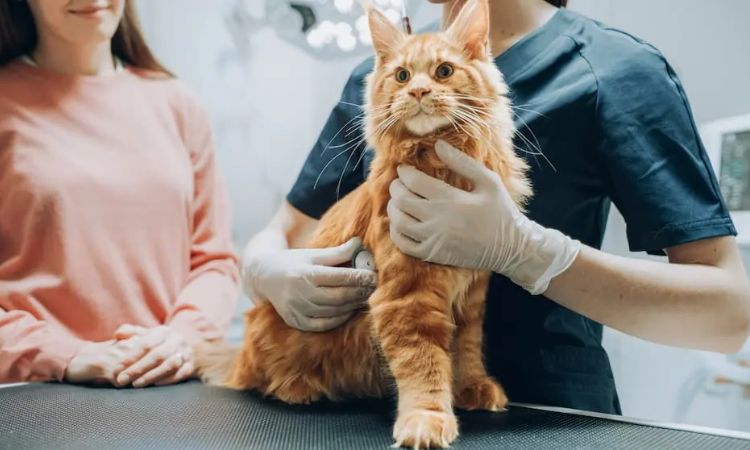
Step 2: Common Diagnostic Tests
To pinpoint the exact cause of urinary problems, veterinarians rely on a series of laboratory and imaging tests. The most commonly performed tests include:
- Urinalysis
- Evaluates the urine’s concentration, pH, color, and clarity.
- Detects protein, blood, sugar, crystals, bacteria, or other abnormal substances.
- Microscopic examination of urine sediment can reveal red and white blood cells, bacteria, crystals, and casts that indicate kidney or bladder disorders.
- Urine Culture
- If an infection is suspected, a bacterial culture identifies the presence and type of bacteria, helping vets choose the most effective antibiotics.
- Cystocentesis, which involves collecting urine directly from the bladder with a needle, is often used for precise results.
- Blood Tests
- Assess kidney function by measuring waste products like creatinine and blood urea nitrogen (BUN).
- Electrolyte levels, such as sodium, potassium, and calcium, are checked to detect imbalances caused by kidney or urinary tract problems.
- Additional blood tests may detect systemic diseases that affect urinary health, including diabetes or high blood pressure.
- Imaging Tests
- X-rays: Detect stones, blockages, or abnormal bladder shapes. Contrast x-rays may be used to outline the urinary tract more clearly.
- Ultrasound: Provides a detailed view of the kidneys, ureters, and bladder to detect tumors, cysts, stones, or structural abnormalities.
- Advanced Diagnostics
- In some cases, cystoscopy is performed, inserting a small camera through the urethra to directly observe the bladder and urethra.
- Biopsies or additional imaging may be required for complicated or persistent urinary problems.
Step 3: Identifying the Underlying Cause
The goal of these diagnostic steps is to determine the specific reason your cat is having urinary problems. Cats can experience urinary issues from various causes, including:
- Urinary tract infections (bacterial or parasitic)
- Kidney disease (acute or chronic)
- Bladder inflammation (sterile cystitis or idiopathic cystitis)
- Urinary stones or crystals
- Congenital or inherited abnormalities of the kidneys, ureters, bladder, or urethra
- Tumors or other obstructive conditions
By identifying the underlying cause, veterinarians can tailor treatment specifically for your cat’s condition. For instance, bacterial infections require antibiotics, urinary stones may need dietary management or surgical intervention, and chronic kidney disease often requires supportive care, dietary adjustments, and close monitoring.
Step 4: Follow-Up and Monitoring
After the initial diagnosis, follow-up testing is often necessary to monitor your cat’s response to treatment and detect any recurrence or complications. Regular urinalysis, blood tests, and imaging studies help ensure that the chosen treatment plan is effective and that the urinary system remains healthy.
Effective Veterinary Treatments
1. Treatment for Urethral Obstruction
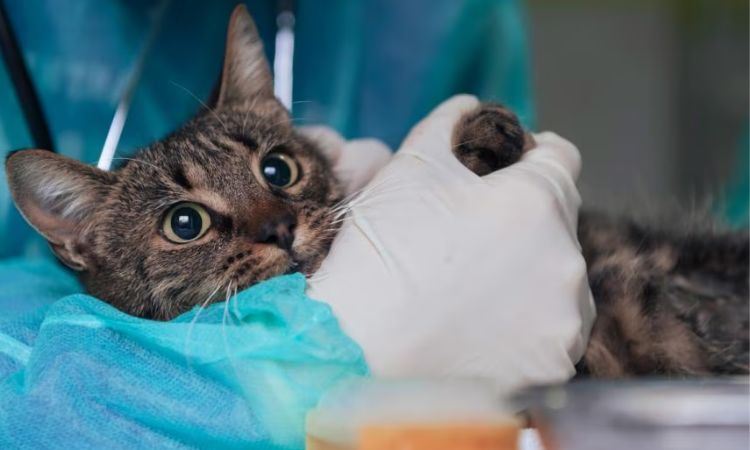
A urethral obstruction, often seen in male cats, represents a medical emergency. When a cat is blocked, urine cannot leave the bladder, leading to extreme discomfort, potential kidney damage, and dangerous electrolyte imbalances, including elevated potassium levels, which can affect heart function. Emergency care typically begins with hospitalization, where the cat is closely monitored and stabilized. Intravenous (IV) fluids are administered to rehydrate the cat, flush the urinary tract, and correct electrolyte disturbances. Pain relief is provided through carefully selected medications to reduce discomfort and stress.
The next critical step is urinary catheterization, a procedure in which a thin tube is inserted into the urethra to allow urine to flow freely from the bladder. In many cases, the catheter remains in place for several days to ensure the urethra stays open and the bladder empties completely. During this time, the veterinary team will continue IV fluids and medications as needed, while monitoring urine output and overall health. Once the catheter is removed, most cats can urinate normally, but ongoing treatment and observation are often required to prevent recurrence.
2. Treatment for Urinary Tract Infections (UTI) and Bladder Infections
When a urinary tract infection or bacterial bladder infection is diagnosed, treatment typically involves a course of antibiotics specifically chosen based on the bacteria identified in the urine culture. Antibiotic therapy helps eliminate the infection and prevent complications such as kidney involvement. Pain medications may also be prescribed to reduce discomfort during urination.
It is crucial that cat owners complete the full prescribed course of antibiotics, even if the cat appears to improve quickly. Stopping medication early can allow bacteria to survive and lead to recurrent infections. In cases where symptoms persist or recur, follow-up veterinary visits are necessary to reassess the bladder, possibly repeat a urine culture, and adjust treatment as needed.
Cat owners might be interested: Cat peeing frequently small amounts
3. Treatment for FLUTD, FIC, and Bladder Inflammation
Feline Lower Urinary Tract Disease (FLUTD), including Feline Idiopathic Cystitis (FIC), represents a group of conditions that cause urinary discomfort without a clear infection or obstruction. In these cases, treatment focuses on pain management and reducing inflammation. Veterinarians often prescribe anti-inflammatory medications, pain relievers, or antispasmodic drugs to ease bladder spasms and facilitate normal urination. In some cases, muscle relaxants may be used to relieve urethral tension and improve urinary flow.
Long-term management of FIC emphasizes stress reduction and environmental enrichment. Cats are highly sensitive to changes in their environment, and stress is a major contributor to recurring urinary problems. Providing safe hiding spaces, interactive play, predictable routines, and multiple litter boxes can significantly reduce flare-ups. Dietary adjustments, including high-moisture foods, can also support bladder health.
4. Treatment for Stones, Crystals, and Other Underlying Causes
When urinary crystals or stones are present, treatment may involve prescription urinary diets designed to alter urine pH and dissolve certain types of crystals. These diets can also help prevent recurrence by reducing the likelihood of new crystal formation.
In cases of large stones, tumors, or structural abnormalities of the urinary tract, surgical intervention or other advanced procedures may be necessary. Surgery can remove stones that cannot dissolve with diet alone, correct anatomical problems, or address tumors affecting the bladder or urethra. Postoperative care often includes ongoing pain management, dietary modification, and careful monitoring of urination to ensure long-term success.
Home Care and Recovery After Treatment
After a cat has received veterinary treatment for urinary problems—whether for a urethral blockage, urinary tract infection, bladder inflammation, or urinary stones—home care plays a critical role in ensuring a smooth recovery and preventing recurrence. Owners should be prepared for a period of careful monitoring, temporary adjustments to diet and environment, and close attention to their cat’s behavior and urination patterns.
Upon discharge from the veterinary hospital, most cats will be sent home with medications, which may include antibiotics, anti-inflammatories, pain relievers, or medications to relax the urethra and ease urination. It is essential to administer all medications exactly as prescribed, completing the full course even if the cat appears to improve quickly. Stopping medications prematurely can allow infections to persist or flare-ups to return.
In addition to medications, veterinarians may recommend temporary dietary changes, such as switching to a prescription urinary diet or feeding more canned food to increase water intake. These diets are specifically formulated to support bladder health, reduce crystal formation, and promote normal urination. Owners should follow feeding instructions closely and gradually transition to any new diet if advised.
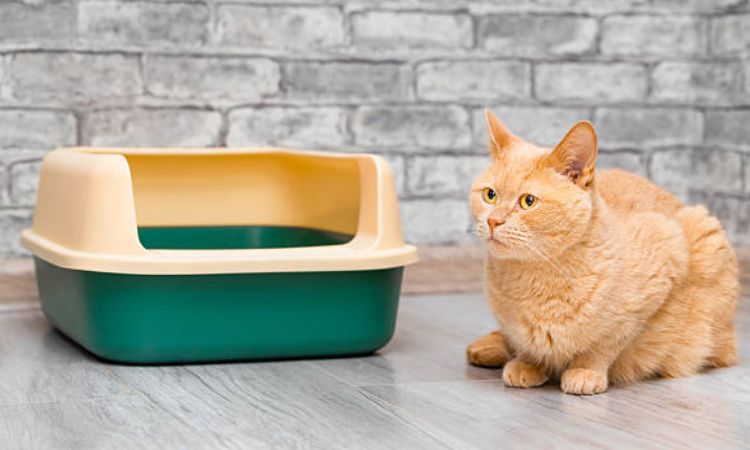
Monitoring your cat at home is one of the most important parts of recovery. Keep a close eye on litter box habits: note the frequency of urination, the volume of urine, any signs of straining, and the presence of blood. Observing your cat’s appetite, water intake, and overall behavior is equally important, as changes in these areas can signal that problems are recurring. Keeping a simple log of urination times, litter box output, and other behaviors can help veterinarians assess recovery during follow-up visits.
Owners should be aware that some cats require long-term management to prevent future urinary issues. For cats prone to Feline Idiopathic Cystitis (FIC) or recurrent urinary blockages, this may include maintaining a stress-free environment, providing multiple clean litter boxes, encouraging hydration with water fountains or wet food, and continuing a therapeutic diet. Environmental enrichment, such as interactive play, climbing spaces, and quiet hiding spots, can help reduce stress—a key factor in preventing flare-ups.
It is crucial to contact the veterinarian immediately if any of the following occurs after discharge: straining to urinate, little or no urine output, blood in the urine, repeated attempts to urinate outside the litter box, lethargy, vomiting, or any sudden changes in appetite or behavior. Prompt veterinary attention can prevent minor setbacks from becoming serious emergencies.
With careful home care, attentive monitoring, and adherence to veterinary guidance, most cats recover well from urinary issues and can return to normal, healthy daily routines. Consistent long-term management strategies can also help minimize the risk of recurrence and improve the cat’s overall comfort and quality of life.