
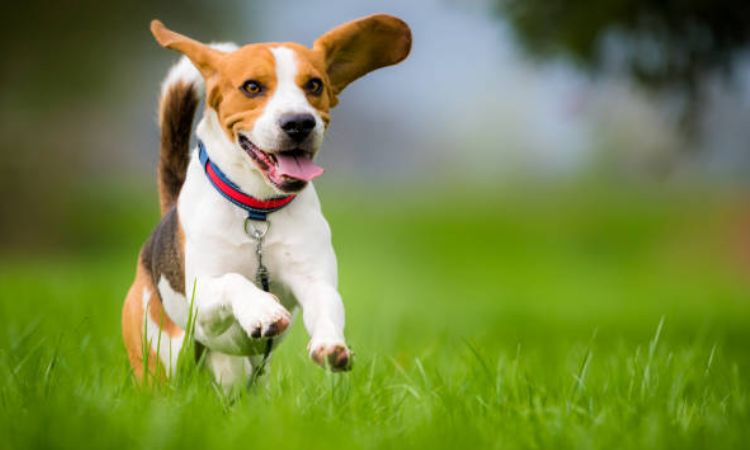
With their wagging tails, floppy ears, and boundless curiosity, Beagles are the embodiment of joy on four legs. Always eager for adventure and quick to make friends, these spirited little hounds are the perfect companions for families and solo dog lovers alike.
But behind that cheerful demeanor lies an impressive athletic streak—just how fast can a Beagle really run, and what can you do to help them reach their top speed? Let’s dive in and uncover the secrets of unlocking your Beagle’s full running potential.
Average Running Speed of a Beagle
1. How Fast Can a Beagle Run?
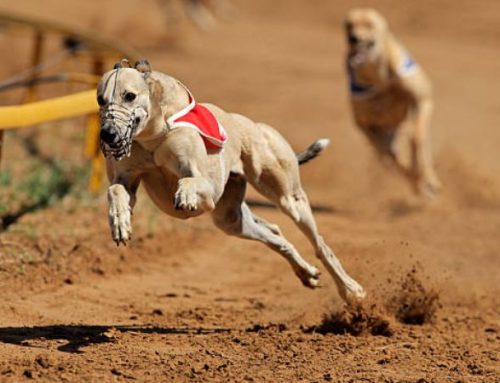
Beagles are often underestimated when it comes to speed due to their compact, stocky build, but these little hounds can reach top speeds of around 20–30 miles per hour (32–48 km/h) over short bursts. While this doesn’t match the lightning-fast Greyhound, which can hit speeds up to 45 mph (72 km/h), or a cheetah at 75 mph (120 km/h), Beagles are impressively fast for their size.
It’s important to understand that Beagles are built more for endurance and short sprints rather than sustained high-speed racing. Their muscular legs and strong paws give them the agility to accelerate quickly, making them excellent for chasing small game such as rabbits. Unlike breeds designed purely for racing, Beagles combine speed with stamina, enabling them to cover moderate distances at a steady pace during hunts or playful activity.
The Beagle’s speed also reflects its hunting heritage. Centuries of being bred as a small-game pack hound required a balance of speed, stamina, and tracking instinct rather than raw velocity. This is why they excel at short, fast bursts but may tire quickly if forced to run long distances at top speed.
2. Speed Differences by Age and Fitness
A Beagle’s running ability can vary widely depending on age, fitness level, weight, and overall health:
- Puppies
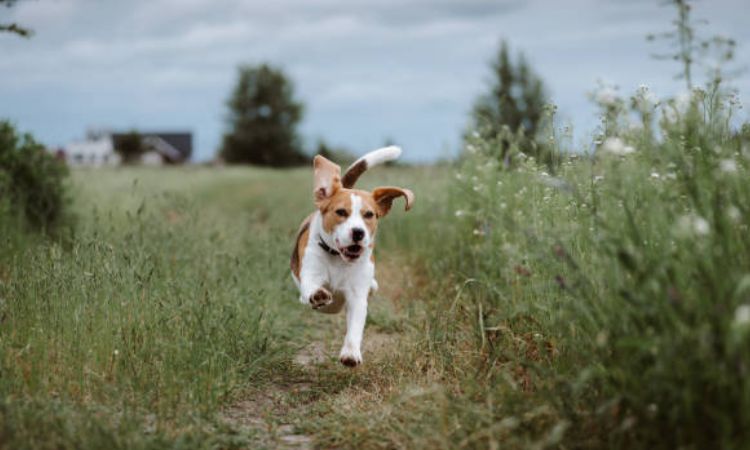
Young Beagles are bundles of energy and often appear tireless. However, their skeletal and muscular systems are still developing, so while they may sprint excitedly in short bursts, prolonged high-intensity runs can strain growing joints and bones. Typically, puppy sprints are explosive but brief, and they recover quickly afterward.
- Adult Beagles
Beagles reach their peak speed and endurance around 1.5 to 5 years old. At this stage, their muscles are fully developed, and they can maintain short-distance sprints up to 30 mph, depending on the individual. Adults benefit from regular exercise and a healthy weight, which maximizes their natural speed and agility. Overweight or under-conditioned Beagles will show reduced top speeds and tire more quickly.
- Senior Beagles
Older Beagles may experience a natural decline in speed due to age-related joint stiffness, arthritis, or reduced muscle tone. While many senior Beagles can still enjoy daily walks or short play sessions, their top sprinting speed diminishes, and they require more frequent breaks. Maintaining a regular exercise routine throughout adulthood can help mitigate some of this decline and preserve mobility longer.
- Muscle Tone, Weight, and Health
A Beagle’s running performance is closely tied to muscle condition and body composition. Well-conditioned Beagles with lean muscle mass are more capable of higher speeds, whereas dogs carrying excess weight or suffering from poor fitness may struggle to reach their natural sprint potential. Heart and lung health are also critical; regular cardiovascular activity strengthens these systems, enabling Beagles to run faster and recover quicker from exertion.
- Sex Differences
While there is some anecdotal variation between male and female Beagles, with males often slightly larger and more muscular, there is no consistent, significant difference in top running speed between the sexes. Individual health, size, and conditioning tend to play a much bigger role than gender in determining running capability.
What Makes Beagles Good Runners?
Beagles may not be the first breed that comes to mind when thinking about long-distance running companions, but their anatomy and heritage give them a unique set of traits that make them surprisingly capable runners—albeit with some caveats.
Anatomical Traits
Beagles have a compact, muscular build that contributes to their agility and speed over short distances. Their strong, well-developed legs allow for quick bursts of sprinting, while their relatively low center of gravity helps them navigate uneven terrain with stability. Despite their stocky appearance, Beagles have good endurance for moderate runs, especially over trails, meadows, or parks. Their paws and limb structure are designed for traction and repeated bursts of energy, making them excellent at short sprints.
Hunting Heritage
Originally bred as scent hounds, Beagles were designed to track small game such as rabbits and hares. This hunting background means they are naturally motivated to move with purpose, whether chasing a scent or following a trail. Their ancestors needed both speed and persistence to keep up during hunts, which translates today into Beagles’ ability to run energetically over short distances. Unlike racing breeds such as Greyhounds, Beagles are not sprinters over very long distances, but they excel at moderate-paced running where stamina and agility are required.
Scent-Driven Running Behavior
One of the defining traits of Beagles is their nose. With one of the best olfactory senses in the canine world, Beagles are instinctively drawn to follow scents wherever they appear. This scent-driven behavior influences their running patterns significantly: while they can run in a straight line or alongside a human companion for a short distance, they often pause, dart off, or weave unpredictably when a scent catches their attention. For this reason, Beagles are better suited for runs in secure, enclosed areas or on a leash when accompanying humans. Their natural instincts make them curious, persistent, and highly engaged when exploring trails, which can be both endearing and a challenge for consistent pacing.
Factors That Impact a Beagle’s Speed
Beagles are naturally energetic and agile, but their running speed is influenced by a combination of physical, environmental, and behavioral factors. Understanding these variables can help owners optimize their Beagle’s performance while keeping them healthy and happy.
1. Weight and Body Condition
A Beagle’s weight is one of the most critical factors affecting running speed. Overweight dogs carry extra load, which slows them down and increases the risk of joint strain or injury. Conversely, Beagles with a lean, muscular build can sprint more efficiently and sustain bursts of speed. Maintaining an ideal body condition—neither underweight nor overweight—is essential for maximizing agility and endurance. Regular vet checkups and body condition scoring can help ensure your dog stays in optimal shape.
2. Diet and Nutrition Quality
Nutrition directly impacts energy levels, muscle development, and overall performance. Beagles require a diet rich in high-quality protein to support muscle tone, combined with healthy fats and essential vitamins for sustained energy. Incorporating omega-3 and omega-6 fatty acids, often from fish or fish oil, helps support joint health, cardiovascular function, and overall agility. Poor-quality or imbalanced diets can leave Beagles lethargic, reduce stamina, and prevent them from reaching their full running potential.
3. Exercise Frequency and Type
Regular physical activity is critical for developing and maintaining speed. Beagles benefit from a mix of cardiovascular exercise, such as jogging or running, and stimulating play that encourages agility, like fetch or obstacle courses. Dogs that are exercised infrequently may be slower and tire easily, while those that receive consistent, structured activity develop stronger muscles, better endurance, and faster reaction times. Short sprints and intervals can be particularly effective for building top-end speed in Beagles.
4. Weather and Surface Conditions
Environmental factors play a significant role in a Beagle’s running performance. Hot weather can quickly lead to fatigue and overheating, limiting speed and distance. Running on soft surfaces like grass or dirt trails is generally easier on joints and allows for faster, safer movement compared to hard pavement, which can be tough on paws and lead to slipping or injuries. Owners should adjust running routines based on weather and terrain to prevent stress and maintain optimal speed.
5. Mental Stimulation and Motivation
Beagles are scent hounds by nature, and their running behavior is often influenced by mental stimulation. A strong scent, interesting toy, or chasing a ball can dramatically increase motivation and lead to short bursts of high-speed running. On the other hand, a lack of engagement can result in slower, disinterested trotting. Incorporating interactive games and tracking activities not only keeps your Beagle mentally stimulated but also encourages more dynamic and focused running.
How to Help Your Beagle Reach Top Speed
1. Training and Conditioning Tips
Warm-ups and Safe Distances: Before any running session, start with a gentle 5–10 minute walk to warm up your beagle’s muscles and joints. This reduces the risk of injury and prepares your dog for faster movement. Avoid immediately launching into sprints, especially if your dog is older, overweight, or new to structured running.
Agility Drills and Short Sprints: Beagles thrive on stimulation, both mental and physical. Incorporate short bursts of sprinting (20–50 meters) into playtime or training sessions. Use toys, treats, or a favorite ball to encourage quick acceleration. Agility drills such as weaving through cones, small jumps, or obstacle courses can also improve coordination, muscle tone, and explosiveness.
Building Endurance with Walks and Jogging: While beagles are natural sprinters, increasing stamina is key to sustaining speed over longer distances. Combine daily walks with gradual jogging sessions. Start with 5–10 minute jogs, then incrementally extend the distance as your dog adapts. Consistency is more important than intensity in the early stages.
Example Weekly Exercise Routine:
- Monday: 20–30 minute brisk walk + 2 short sprint intervals
- Wednesday: Agility course or backyard fetch session (15–20 minutes)
- Friday: 10–15 minute jog + 2 sprint intervals
- Saturday: Longer walk (30–45 minutes) in a scenic area to stimulate exploration and endurance
- Daily: Short play sessions or tug-of-war games to engage muscles and encourage bursts of energy
2. Nutrition and Health Support
Balanced Diet: Provide a diet rich in lean proteins to support muscle development, along with complex carbohydrates for sustained energy. Foods containing omega-3 fatty acids, glucosamine, and chondroitin can support joint health, which is crucial for sprinting and agility exercises. Avoid overfeeding or high-fat treats that may contribute to excess weight, which can hinder speed.
Hydration and Rest Days: Proper hydration is essential, particularly during and after exercise. Always provide fresh water before, during, and after runs. Rest days are equally important to allow muscles to recover and prevent overuse injuries. Alternate high-intensity running days with low-impact walks or play sessions.
Regular Vet Checkups: Routine veterinary visits ensure your beagle maintains optimal heart, bone, and joint health. Discuss any running or agility routines with your vet, especially for dogs with prior injuries, joint issues, or age-related concerns. Early detection of health issues helps prevent setbacks in training.
3. Safety Precautions
Avoid Overexertion: Beagles are prone to getting caught up in excitement and chasing scents, which can lead to overexertion. Avoid running in extreme heat or humid conditions, and watch for excessive panting, drooling, or lagging behind.
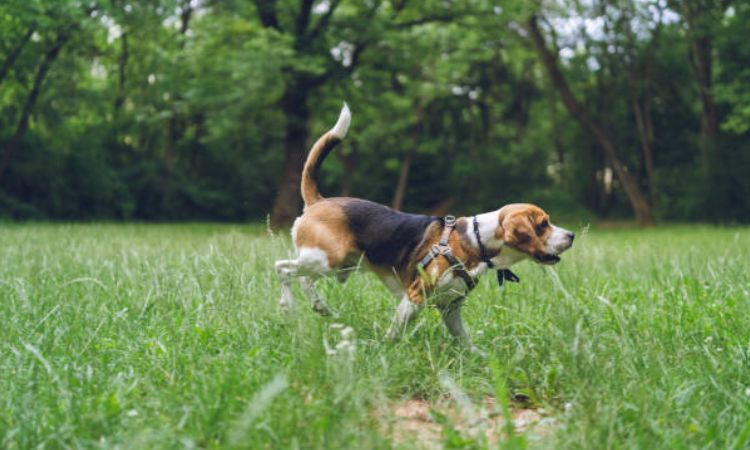
Use Proper Running Gear: A well-fitted harness is preferable to a collar for running, as it distributes pressure evenly and reduces strain on the neck and throat. Consider reflective or brightly colored gear if running in low-light conditions.
Monitor for Fatigue or Injury: Signs of fatigue include slowing pace, limping, or reluctance to continue. Stop immediately if your dog shows these signs and allow adequate rest. Regularly inspect paws for cuts, abrasions, or wear from running on rough surfaces.
Fun Ways to Let Your Beagle Run Freely
Beagles are naturally energetic, curious, and scent-driven dogs, so allowing them opportunities to run freely is essential for their physical health and mental stimulation. While structured walks or runs with their owners are beneficial, off-leash or interactive activities give beagles the chance to express their instincts, explore their environment, and expend energy in a healthy way. Below are some of the most effective and enjoyable ways to let your beagle run freely.
Dog Parks, Fenced Yards, or Secure Trails
One of the simplest ways to let your beagle run safely is by using secure spaces such as dog parks, fenced yards, or enclosed trails. Dog parks provide a controlled environment where your beagle can interact with other dogs, chase toys, and explore scents without the risk of running off. Always ensure the park is well-fenced and free from hazards, and supervise your dog closely, as beagles are easily distracted by interesting smells.
Fenced yards are another excellent option, especially for daily short sprints or play sessions. Even a moderately sized yard can provide multiple opportunities for running, sniffing, and exploring. You can increase the fun by hiding toys or treats to encourage movement and stimulate your beagle’s natural tracking instincts. Secure trails, such as wooded paths or quiet hiking routes, allow for longer runs in a safe environment. Using a long leash or checking that the area is enclosed ensures your beagle can enjoy freedom without wandering too far.
Interactive Games Like Fetch or Scent Tracking
Interactive games are ideal for letting your beagle run while also providing mental stimulation. Fetch is a classic activity that encourages short bursts of speed and repeated sprints. Using balls, frisbees, or favorite toys, you can challenge your beagle with varying distances or obstacles to keep them engaged.
Scent tracking games are especially rewarding for beagles, whose natural instincts drive them to follow scents. Hide treats or toys around your yard, dog park, or secure outdoor area and encourage your beagle to find them. Start with easy hiding spots and gradually increase difficulty to keep them motivated. This type of play not only allows your beagle to run freely but also engages their brain, providing a sense of purpose and satisfaction. Treasure hunts or scent challenges tap directly into their hunting instincts and can occupy them for extended periods, reducing boredom and destructive behavior.
Participating in Dog Sports
Dog sports are a fantastic way to channel a beagle’s energy and natural abilities into structured, high-intensity activity. Agility courses, which involve tunnels, jumps, weave poles, and other obstacles, develop stamina, coordination, and speed. Beagles can excel in agility training, especially when it’s paired with positive reinforcement and fun challenges.
Lure coursing is another excellent option for scent-driven dogs. This sport simulates the movement of prey using a mechanically operated lure, allowing beagles to chase, sprint, and use their tracking instincts in a safe, controlled environment.
Scent work, or nose work, takes advantage of a beagle’s keen olfactory skills. Whether practiced casually at home or competitively in specialized classes, scent work involves locating hidden objects or following specific scents across varied terrain. This not only provides off-leash exercise but also engages your beagle’s brain, making them both physically and mentally satisfied.
Frequently Asked Questions (FAQ)
Do Beagles Like to Run Long Distances?
Beagles are naturally energetic dogs with a strong hunting and scent-driven background. While they enjoy bursts of speed and active play, most beagles are not built for long-distance running in the way that some working breeds are. They excel at short sprints, tracking scents, and engaging in interactive play. Many beagles may start off enthusiastic but can lose interest or slow down if forced to run long distances continuously, especially if there are distracting scents or other stimuli. For beagles, the joy often comes from exploring, sniffing, and engaging with their environment rather than running for extended periods.
Are Beagles Good Jogging Partners?
Beagles can be jogging partners for short, controlled distances, particularly if they are conditioned and trained. However, their strong scent-driven instincts mean they are easily distracted and may stop to sniff frequently, making them inconsistent running companions for longer or steady-paced jogs. Owners with a beagle as a jogging partner should be patient, use a secure harness, and consider starting with short distances while gradually increasing duration. Beagles that are young, energetic, and motivated by games or treats are more likely to stay engaged during a jog. That said, for long runs or marathon-style training, breeds like Vizslas, German Shorthaired Pointers, or Australian Shepherds tend to be better suited.
At What Age Can My Beagle Start Running Safely?
Puppies should not engage in intensive running until their bones and joints are fully developed, which is usually around 12 to 18 months for beagles. Before this age, high-impact running can stress developing joints and potentially cause long-term orthopedic problems. Instead, focus on controlled play, short walks, and basic obedience training to build strength and stamina gradually. Once your beagle reaches physical maturity, you can begin short runs, increasing distance and intensity slowly while monitoring for signs of fatigue or discomfort. Regular vet checkups are recommended to ensure your beagle’s bones, joints, and heart are healthy enough for running.
Can Beagles Be Trained to Run Faster?
Yes, beagles can be trained to improve their running speed, but it requires patience, consistency, and motivation. Training should focus on building stamina and encouraging bursts of speed through structured exercise and fun games. Strategies include:
- Warm-ups and short sprints: Start with gentle walks and short running intervals to build endurance.
- Agility drills: Exercises such as weave poles, tunnels, or small jumps can enhance coordination, strength, and speed.
- Regular conditioning: Consistent walks, jogs, and play sessions improve cardiovascular health and muscle tone.
- Motivation through play or treats: Beagles respond best when encouraged by food rewards, toys, or interactive games.
Keep in mind that genetics, age, health, and body condition all influence speed potential. While most beagles are not elite sprinters, training can help them reach their personal top speed safely and enjoyably.