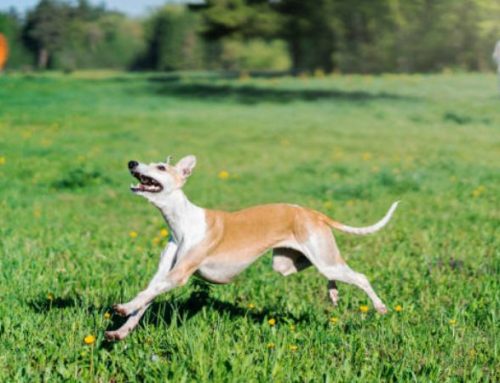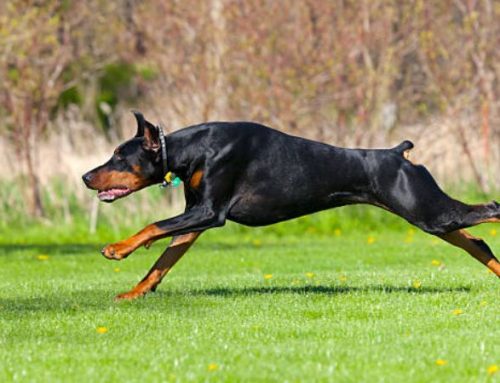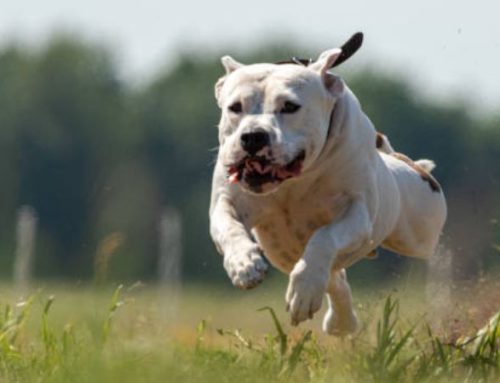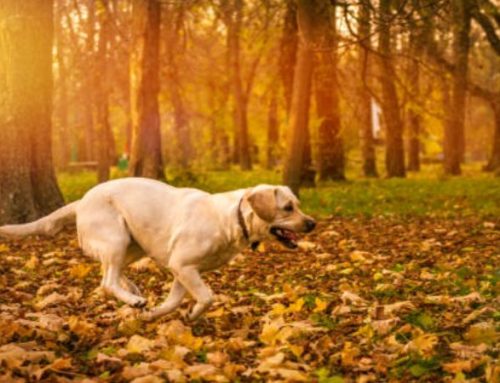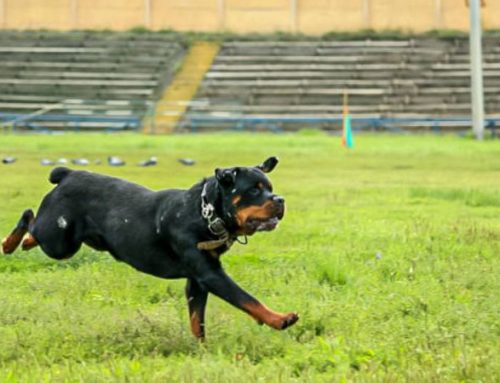

Built like an elite athlete and driven by an intense work ethic, the Belgian Malinois is a dog that seems to thrive in motion. From explosive sprints across open fields to laser-focused pursuit, this breed’s speed is more than just impressive—it’s purposeful.
But exactly how fast can a Belgian Malinois run, and what determines their top speed? To understand their remarkable athletic ability, you have to look beyond raw numbers and into the physical traits, training, and instincts that set this powerhouse apart.
Average vs Top Speed
For the typical pet Belgian Malinois, running speed during everyday activities is far more moderate than many owners expect. When jogging alongside an owner, trotting on trails, or playing freely at the park, most healthy adult Malinois move at an average running speed of about 10–15 miles per hour. This pace is comfortable, sustainable, and well within the dog’s aerobic zone, allowing them to exercise for longer periods without fatigue. During casual off-leash play, short bursts may briefly climb higher, but the majority of movement stays in this moderate range.
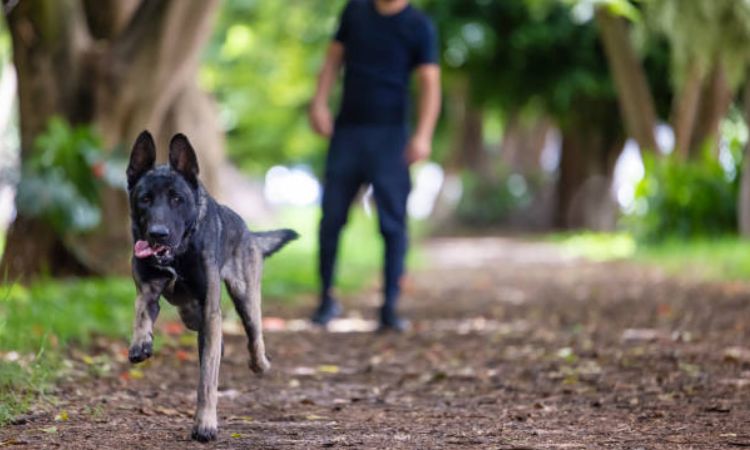
By contrast, the top speed of a Belgian Malinois—estimated at around 30 miles per hour—is only seen in well-conditioned dogs during short, all-out sprints. These speeds are typically reached by working, sport, or professionally trained Malinois, such as police, military, or competitive dogs involved in protection sports, FastCAT, or lure-style chasing activities. At this level, speed relies on peak muscle power, explosive acceleration, and excellent cardiovascular conditioning, and it can only be maintained for a few seconds at a time.
It’s important to understand that not all Belgian Malinois will run at the same speeds. Individual variation plays a major role. Genetics influence stride length, muscle composition, and overall athleticism; training and conditioning determine how efficiently a dog can use that natural ability; and health factors such as joint condition, heart health, and body weight can significantly raise or lower performance. As a result, some Malinois may naturally exceed the average, while others may be more endurance-focused rather than sprint-oriented.
4 Key Factors Affecting Their Top Speed
A Belgian Malinois’ ability to reach and safely sustain high running speeds isn’t determined by breed alone. While the breed is famous for its athleticism, several interconnected factors influence how fast an individual dog can truly run. Understanding these elements helps owners set realistic expectations and prioritize long-term health over raw speed.
1. Genetics and Body Structure
Genetics play a major role in determining a Belgian Malinois’ top-end speed. Working-line Malinois, commonly bred for police, military, or sport work, tend to have greater muscle density, higher drive, and sharper athletic reflexes than show-line dogs. These traits translate into faster acceleration, more explosive sprints, and stronger endurance under intense workloads. Show-line Malinois may still be athletic, but their breeding often emphasizes appearance and movement rather than maximum performance. Mixed-line dogs can fall anywhere in between, depending on their inherited traits.
Body structure further enhances speed. The Belgian Malinois’ lean, muscular frame, combined with long legs, allows for extended stride length and rapid ground coverage. A deep chest supports large lung capacity and efficient oxygen intake, which is critical during high-speed sprints. Together, these physical features reduce wasted motion, improve balance, and help the dog accelerate quickly while maintaining control at speed.
2. Age and Physical Condition
Age is another critical factor. Belgian Malinois typically reach their peak running speed during young adulthood, usually between 2 and 5 years of age. Puppies may appear energetic, but their developing bones and growth plates make them unsuitable for high-speed or repetitive sprint work. At the other end of the spectrum, senior Malinois may still enjoy running but often experience a natural decline in speed due to reduced muscle mass, joint stiffness, or slower recovery times.
Physical condition matters just as much as age. Dogs that maintain a lean body weight, strong muscle tone, and good cardiovascular fitness are far more capable of reaching higher speeds safely. Excess weight adds stress to joints and slows acceleration, while poor conditioning limits endurance and increases injury risk. Even genetically gifted Malinois will underperform if they are out of shape.
3. Training, Conditioning, and Surface
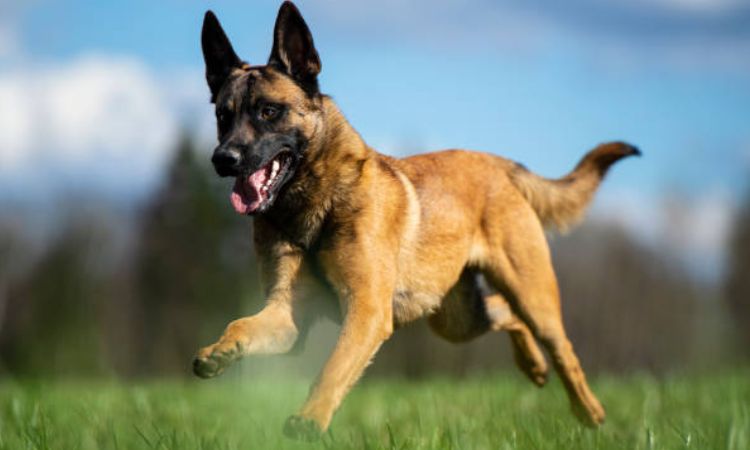
Reaching top speed safely requires structured, progressive conditioning, not spontaneous all-out running. Activities such as short sprints, interval training, fetch, lure-style sports, and canine athletics help develop fast-twitch muscle fibers and improve coordination. Gradually increasing intensity allows the dog’s muscles, tendons, and joints to adapt, reducing the risk of strains or tears.
The running surface also has a significant impact. Natural surfaces like grass, dirt, or well-maintained turf provide better traction and shock absorption, allowing a Malinois to run faster with less stress on the body. In contrast, slippery floors can lead to falls and ligament injuries, while hard pavement increases impact forces on joints and paw pads. Choosing the right surface helps protect the dog while maximizing performance.
4. Health, Joints, and Injury History
Even the most athletic Belgian Malinois can be limited by health issues. Orthopedic conditions such as hip or elbow dysplasia, cruciate ligament injuries, muscle strains, or chronic paw pad damage can significantly reduce speed and increase discomfort. Once injured, a dog may subconsciously limit its own movement to avoid pain, even after healing.
This is why regular veterinary checkups, proper warm-up routines before intense exercise, and cool-down periods afterward are essential. Warming up increases blood flow and flexibility, while cooling down helps prevent stiffness and supports recovery. Together, these practices protect joints, extend athletic longevity, and allow a Belgian Malinois to perform at its best without sacrificing long-term health.
How to Safely Help Your Malinois Run Faster
Helping your Belgian Malinois reach faster speeds safely requires a combination of structured training, gradual progression, and careful attention to their physical well-being. Before any sprinting or long-distance running, always start with a proper warm-up—five to ten minutes of brisk walking or light jogging—to get muscles, joints, and tendons ready for high-intensity movement. Once your dog is fully grown and their growth plates have closed (usually around 12–18 months), you can begin gradually building up distance and intensity, much like training a human athlete: start with shorter, slower runs and slowly increase mileage or speed over weeks or months. Regular rest days are essential, as even a high-energy Malinois needs time to recover; ignoring recovery can lead to muscle soreness, stiffness, or long-term joint issues.
In addition to running, cross-training activities such as fetch, agility, and swimming help build cardiovascular fitness, strengthen muscles, and improve coordination without the repetitive stress of road running. Swimming, in particular, is excellent for endurance while being gentle on joints. Safety considerations are equally important: avoid running during high heat or humidity, monitor your dog’s paws on hot pavement, gravel, or rough trails, and provide water breaks to prevent overheating. Using a well-fitted harness instead of a collar is recommended for running, as it distributes pressure more evenly across the chest and shoulders, reducing strain on the neck and allowing for natural, unrestricted movement. By combining progressive training, cross-conditioning, and diligent safety precautions, your Malinois can become a faster, stronger, and healthier running companion while minimizing the risk of injury.
- You Might Also Be Interested In: How fast can a German Shepherd run
FAQs About Belgian Malinois Speed
Can a Belgian Malinois outrun a human?
Absolutely. Belgian Malinois are naturally built for speed and agility, capable of sprinting up to 30–33 mph (48–53 km/h) in short bursts. This far surpasses the top speed of even elite human sprinters. While a highly trained human endurance runner might match a Malinois over very long distances, the dog’s explosive acceleration, quick turns, and nimble reflexes make it nearly impossible to beat in typical running scenarios.
At what age do Malinois reach their fastest speed?
Belgian Malinois usually reach their physical peak and top sprinting capability between 2 and 3 years of age. Although they achieve adult height by around 1 year, muscle development, bone strength, and overall stamina continue to improve until roughly 18–24 months. Controlled, moderate exercise during this period is essential to protect joints and prevent injuries, with some elite dogs reaching their fastest performance right around 2 years old.
Is it safe to let my Malinois sprint every day?
Even though Malinois are highly energetic and built for athletic activity, daily high-intensity sprinting can pose risks if the dog is not properly conditioned or is too young. Overdoing sprints may lead to muscle strain, joint stress, or paw injuries. The safest approach combines structured training, gradual intensity increases, rest days, and regular veterinary check-ups to ensure your dog remains healthy while still enjoying vigorous exercise.
Do male Malinois run faster than females?
Speed is not strictly determined by sex. Males generally carry more muscle mass and raw strength, which can be beneficial for power-demanding tasks, while females often have a lighter frame that supports quick acceleration and agility. Ultimately, a dog’s individual genetics, training regimen, and conditioning play a far larger role than sex alone, with both males and females capable of remarkable speed and athleticism.