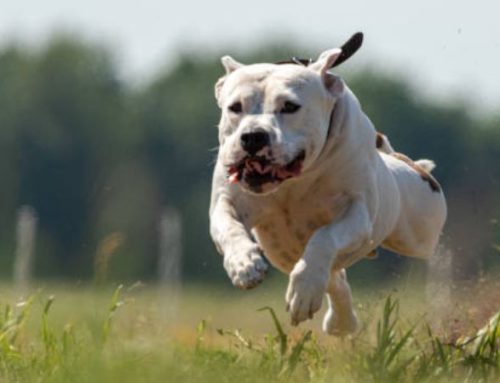

If you’ve ever watched an American Bulldog launch itself into the air or sprint across the yard with that signature mix of power and enthusiasm, you know this breed isn’t just brawn—they’re downright impressive athletes. Their stocky frame hides surprising agility, and their playful, sometimes goofy personality makes their bursts of speed even more fun to witness. But just how fast can an American Bulldog actually run? The answer might surprise you—let’s dive in.
How Fast Can a Bulldog Run?
Bulldogs aren’t known for blazing speed, but they can move faster than most people expect. On average, an English Bulldog can reach speeds of about 12–15 mph (roughly 19–24 km/h) during short sprints. Their compact, muscular frames give them surprising power off the line, allowing for brief bursts of energy—even if they can’t maintain that pace for long distances. Bulldogs are built for strength, not endurance, so you’ll usually see them dash enthusiastically after a toy or during a quick play session, then slow down just as quickly to catch their breath.
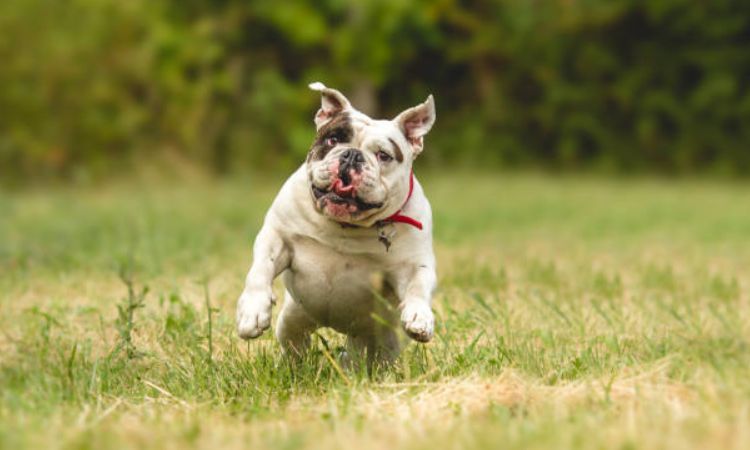
There’s also a difference in running ability between English Bulldogs and French Bulldogs. While both breeds share the same stout build and brachycephalic (short-nosed) features that limit long-distance running, French Bulldogs can sometimes hit speeds close to 15 mph, thanks to their slightly lighter and more compact bodies. That said, neither breed is considered a natural sprinter. Their short legs, broad chests, and restricted airways mean they excel in quick, playful bursts rather than sustained running.
So, while Bulldogs won’t be joining you on long jogs or keeping up with high-speed breeds, they absolutely can—and do—put on an impressive show of speed when motivation strikes.
Why Bulldogs Aren’t Built for Speed
Bulldogs are undeniably charming and full of personality, but when it comes to running fast, their bodies simply aren’t designed for high-speed pursuits. Several physical characteristics limit their ability to sprint or sustain long-distance running.
Broad Chest and Muscular Build
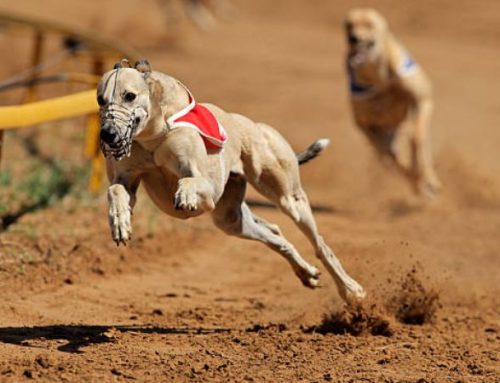
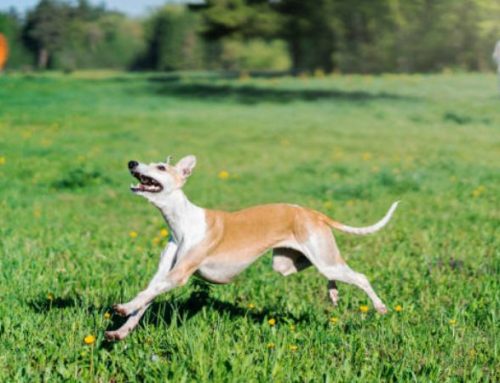
One of the most defining features of a bulldog is its wide, muscular chest. This strong, stocky build gives bulldogs tremendous power, making them excellent at pushing, bulldozing, and showing strength during play. However, this same muscle mass and broad frame add significant weight and bulk, which reduces agility and makes quick acceleration more difficult. Unlike lean racing breeds such as Greyhounds or Whippets, bulldogs rely on brute strength rather than speed, meaning they excel at short bursts of energy rather than sustained running.
Short Legs Limit Stride Length
Bulldogs’ legs are relatively short compared to their body size, which naturally limits their stride length. While long-legged breeds can cover more ground with fewer steps, bulldogs must take more rapid, smaller steps to move, which slows them down. This gives their running a charming, wobbly appearance, often described as “turkey-legged,” and prevents them from achieving the high speeds seen in many sporting or herding breeds.
Brachycephalic Structure (Flat Face) Impacts Breathing
Bulldogs are brachycephalic, meaning they have short, flat faces. While this feature contributes to their distinctive and beloved appearance, it also makes breathing during exertion more challenging. When running, their flat noses and compressed airways can restrict airflow, causing them to tire quickly. Heat and humidity exacerbate this issue, making long runs or intense play sessions potentially dangerous. This is why careful monitoring and controlled exercise are crucial for bulldogs.
Best Suited for Short Play Sessions
Given these physical limitations, bulldogs thrive on brief, controlled bursts of activity rather than long-distance running or endurance exercises. Short walks, interactive play sessions, or “zoomies” in a safe environment allow bulldogs to expend energy without overexerting themselves. Their playful sprints are entertaining to watch, but they are more about fun and stimulation than actual speed or stamina.
How Long Can a Bulldog Run?
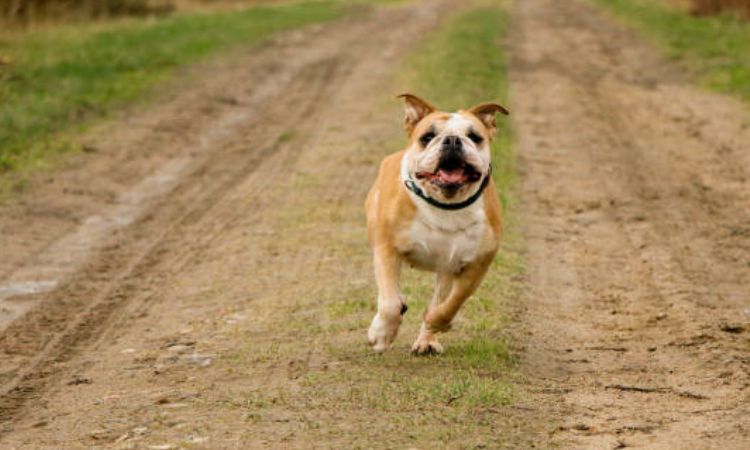
Bulldogs are famously enthusiastic but not naturally built for long-distance running. Their compact, muscular bodies, short legs, and brachycephalic (flat-faced) structure make sustained running challenging. As a result, the typical endurance of an adult English or French Bulldog is relatively limited. Most bulldogs can comfortably handle short jogs of 0.5–1 mile (0.8–1.6 km) or 5–15 minutes of continuous running, depending on their age, fitness, and health. Pushing beyond these limits can lead to overheating, joint strain, or respiratory distress.
Cooling Breaks and Heat Management
Because bulldogs have short muzzles, they are prone to breathing difficulties and heat exhaustion, especially during vigorous exercise or in warm weather. Even on mild days, it’s crucial to:
- Schedule frequent breaks during any jog or play session.
- Offer plenty of fresh water to keep your bulldog hydrated.
- Stick to cooler times of day, such as early morning or late evening.
- Monitor for warning signs of fatigue or overheating, including heavy panting, drooling, stumbling, or lying down mid-run.
Short, paced jogs interspersed with cooling periods are much safer and more enjoyable for bulldogs than attempting long, continuous runs.
Consult Your Veterinarian Before Regular Running
Before starting a routine that includes running or jogging, it’s essential to check with a veterinarian. Factors like age, weight, joint health, and any underlying respiratory or heart conditions can significantly affect your bulldog’s ability to run safely. A vet can provide guidance on:
- Safe distance and duration for your dog’s fitness level
- Proper warm-up and cool-down routines
- Adjustments for weather and seasonal conditions
- Early warning signs of strain or injury
By following professional guidance and respecting your bulldog’s natural physical limitations, you can help them enjoy regular short runs without compromising their health.
Tips to Safely Exercise Your Bulldog
Choose the Right Time of Day
Bulldogs are extremely sensitive to heat because of their brachycephalic (flat-faced) structure, which makes it harder for them to regulate body temperature through panting. To prevent overheating and heat stress, aim to exercise your Bulldog during early morning or late evening hours, when temperatures are cooler and the sun is less intense. Avoid the hottest part of the day, especially in summer or humid conditions, as even a short burst of activity can quickly lead to respiratory distress or exhaustion. Planning walks and play sessions around cooler hours not only keeps your Bulldog safe but also allows them to enjoy exercise comfortably.
Keep Activity Short and Structured
Unlike high-endurance breeds, Bulldogs are built for short bursts of energy rather than long runs. Their muscular, stocky build and short legs limit stride length, and prolonged exertion can strain joints and lungs. Instead of pushing for extended distances, structure exercise in short, manageable sessions, typically 10–15 minutes at a time. For daily exercise, a total of 20–30 minutes split into multiple sessions is ideal. During these sessions, provide frequent rest breaks and access to fresh water to keep your Bulldog hydrated and reduce the risk of overheating or fatigue. Always monitor their energy levels—if they slow down, sit, or lie down mid-walk, it’s a sign to stop and let them recover.
Incorporate Low-Impact and Fun Activities
Exercise for Bulldogs doesn’t have to be limited to walks. Incorporating low-impact activities helps keep them fit, mentally stimulated, and engaged without putting unnecessary stress on their joints or respiratory system. Games like gentle fetch, slow-paced tug-of-war, or short indoor play sessions are excellent for burning energy safely. Swimming can be an especially effective exercise for Bulldogs, as it allows them to move without weight-bearing pressure on their limbs, though supervision is essential due to their body structure and relatively low stamina. Mixing activities not only improves overall fitness but also keeps exercise enjoyable and prevents boredom, which can lead to destructive behaviors at home.
Monitor for Signs of Distress
Because Bulldogs are prone to overheating and respiratory issues, it’s critical to watch for warning signs during any activity. Heavy panting, excessive drooling, wobbling, lethargy, or bright red gums are all indicators that your Bulldog may be overexerting themselves. If you notice any of these signs, stop activity immediately, provide water, and move your dog to a cool, shaded, or air-conditioned area. Even seemingly minor indicators should be treated seriously, as Bulldogs can develop heatstroke quickly. Close observation combined with moderation ensures your Bulldog enjoys exercise safely, reduces the risk of injury, and maintains a healthy routine that supports both physical and mental well-being.
The Do’s and Don’ts of Running with a Bulldog
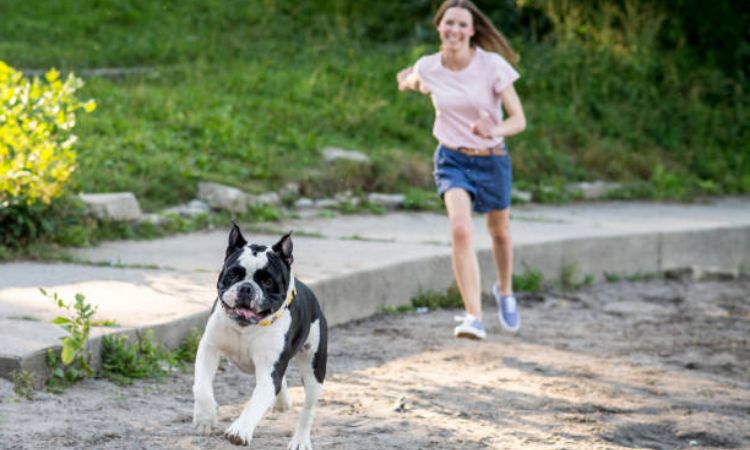
Running with a Bulldog can be a fun way to keep them active and strengthen your bond, but it requires extra care and attention due to their unique physical characteristics. Bulldogs are brachycephalic (short-snouted), stocky, and low in endurance, which makes them prone to overheating and respiratory difficulties. Here’s a detailed guide on what you should do—and what you must avoid—when running with your Bulldog.
Do:
- Train Gradually and Monitor Breathing
Bulldogs are not built for long-distance running. Start with very short bursts of activity, such as 5–10 minutes of jogging or play, and gradually increase duration over weeks, similar to a “Couch to 5K” program. Always observe their breathing: heavy panting, wheezing, or labored breaths are signs that your Bulldog needs a break. Intermittent rest is key to keeping the activity safe and enjoyable. - Use a Comfortable, Bulldog-Specific Harness
Standard collars can put pressure on a Bulldog’s neck and trachea, which is risky given their brachycephalic anatomy. Opt for a harness designed for Bulldogs that distributes pressure across the chest, fits securely, and prevents choking or slipping. Look for lightweight, adjustable, and breathable materials, preferably with reflective elements for low-light runs. - Choose Shaded or Cool Routes
Bulldogs overheat easily because they rely primarily on panting to regulate body temperature. Plan runs in early morning or late evening when temperatures are cooler. Avoid sunny, asphalt-heavy paths that absorb heat. Whenever possible, run in shaded areas, grass, or parks to reduce stress on their respiratory and cardiovascular system. - Offer Frequent Water Breaks
Hydration is critical. Bring a collapsible water bowl and offer water every few minutes, especially if the Bulldog shows signs of heat or heavy panting. A short pause in the shade can prevent dangerous overheating.
Don’t:
- Run in Hot or Humid Weather
High temperatures and humidity significantly increase the risk of heatstroke in Bulldogs. Avoid runs during midday or in direct sunlight, and never push your dog to keep pace if the weather is extreme. Even moderate activity in hot weather can be unsafe for this breed. - Push Your Bulldog Past Its Comfort Zone
Each Bulldog has a different fitness level and tolerance for exercise. Forcing them to run longer distances than they can handle may lead to exhaustion, joint strain, or even injury. Let your dog dictate the pace; short spurts of running and playful zoomies are often more than enough. - Ignore Signs of Overheating or Fatigue
Bulldogs often try to “please” their owners, continuing to run even when uncomfortable. Watch carefully for early signs of stress: heavy panting, drooling, slowing down, wobbling, or lying down mid-run. Stop immediately if these signs appear and move them to a cool, shaded area.
Understanding a Bulldog’s running abilities helps set realistic expectations for exercise and play. While they can’t sustain long sprints, their short bursts of speed—combined with playful enthusiasm—are perfectly suited to their muscular, brachycephalic build. Prioritizing brief, safe activities, proper hydration, and careful monitoring of breathing ensures your Bulldog stays healthy, happy, and energized without risking overheating or injury.