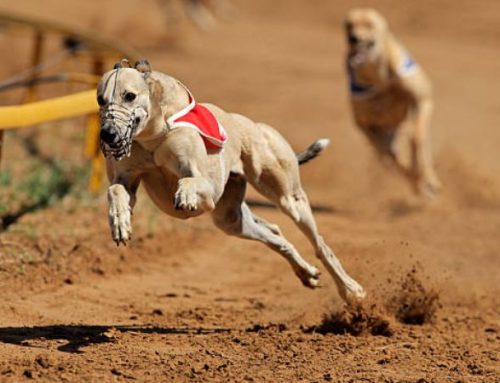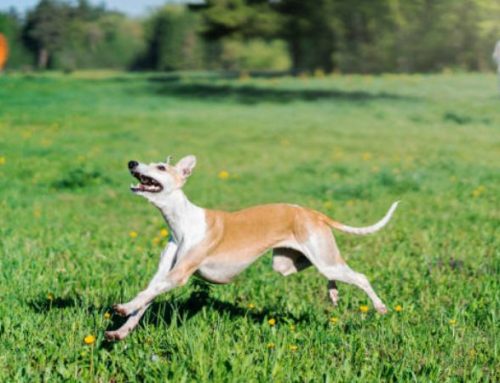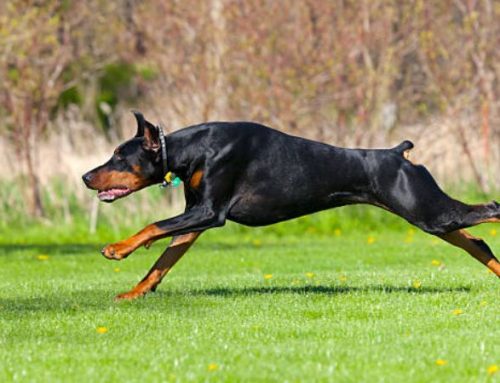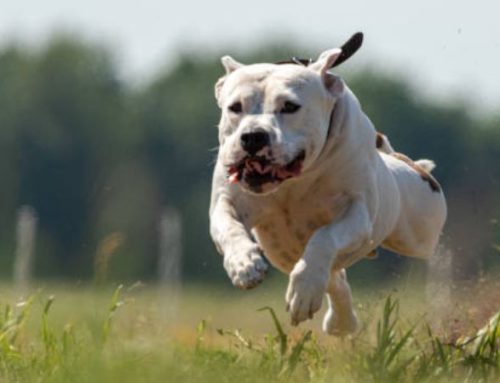

Don’t let their pint-sized paws fool you Chihuahuas can dart across a yard faster than you might expect. These tiny dynamos may weigh only a few pounds, but when it comes to short sprints and playful zoomies, they pack a surprising punch.
Curious about just how fast your little companion can go, how long they can keep it up, and the safest ways to let them burn off that boundless energy? Nexus Pets has all the answers for speed, stamina, and safe exercise for your mini powerhouse.
How Fast Can a Chihuahua Run?
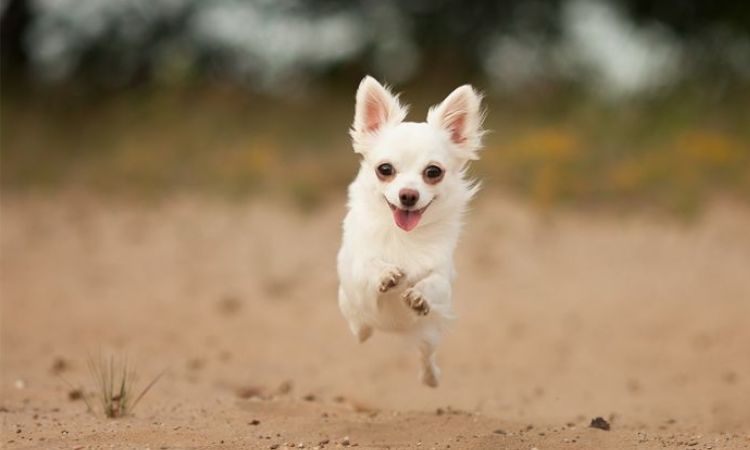
Chihuahuas may be tiny, but they can move surprisingly quickly when motivated. On average, a typical Chihuahua runs at speeds between 5 and 10 miles per hour (8–16 km/h). This represents their normal day-to-day pace, suitable for casual play and short bursts of exercise. Exceptional Chihuahuas, however, can sprint much faster—one notable record was set at 23.38 mph (37.6 km/h) during an official AKC Fast CAT event in 2021 by a Chihuahua named Dancing To A Different BeetBox MX MXJ XF T2B FCAT TKI. This is an extreme outlier, but it demonstrates the breed’s potential under ideal conditions.
Factors Influencing Chihuahua Running Speed
Several factors determine how fast a Chihuahua can move:
- Size and Build: Chihuahuas are compact and lightweight, typically weighing 2–6 pounds with a shoulder height of 6–9 inches. Their short legs limit stride length, which naturally reduces maximum speed.
- Health and Conditioning: A well-conditioned Chihuahua with strong muscles, healthy joints, and proper cardiovascular fitness will run faster than a sedentary or overweight dog. Regular exercise significantly improves stamina and speed.
- Age: Puppies and young adults are generally faster and more agile, whereas older Chihuahuas may slow down due to joint stiffness or decreased endurance.
- Excitement Level: Chihuahuas often display bursts of speed when playing, chasing toys, or startled, which can make them seem much faster than their usual pace.
Comparison to Other Small Breeds
Chihuahuas are not the fastest small dogs, but they hold their own compared to similar breeds:
- Jack Russell Terrier: 13–16 mph (21–26 km/h) – agile and built for hunting.
- Dachshund: 4–8 mph (6–13 km/h) – slower due to elongated body and short legs.
- Chihuahua: 5–10 mph (8–16 km/h) typical, up to 23 mph (37 km/h) in extreme cases.
Although Chihuahuas may not match the sprinting ability of a Jack Russell or a Border Collie, their speed is often underestimated.
Why Chihuahuas Seem Faster Than They Are
One reason Chihuahuas appear to zip around at lightning speed is their high stride frequency. Even though each stride is short due to their tiny legs, they take rapid, quick steps that give the illusion of faster movement. Combined with sudden bursts of energy and agility in tight spaces, this makes them seem much quicker than their actual top speed.
Chihuahuas may not be built for sustained racing, but their quick bursts, playful energy, and surprisingly agile maneuvers make them exciting little sprinters. While most humans can outrun them over a long distance, don’t underestimate these tiny dynamos—they can easily dart, dodge, and juke in a way that makes them look lightning-fast in the yard or park.
How Long Can They Keep Running?
How Body Structure and Metabolism Affect Endurance
A Chihuahua’s compact frame and short legs play a major role in limiting endurance. Their stride length is short, meaning they must take many rapid steps to cover distance, which can quickly lead to fatigue. Additionally, Chihuahuas have a high metabolism, which gives them bursts of energy but also consumes calories and oxygen rapidly. Combined with their small heart and lung capacity, this limits the duration they can maintain higher speeds or continuous activity. Puppies and young adults may sustain activity slightly longer, while older or overweight Chihuahuas will tire much faster.
Signs Your Chihuahua Is Getting Tired or Overheated
It’s important to monitor your Chihuahua during exercise to prevent overexertion or heat stress. Common signs of fatigue include:
- Slowing down or refusing to run.
- Heavy panting and drooling.
- Lying down or sitting frequently during play.
- Visible wobbling, stumbling, or lack of coordination.
Signs of overheating can be more serious and include bright red gums, rapid or labored breathing, and lethargy. If any of these appear, exercise should stop immediately, and your dog should be moved to a cool, shaded area with access to water.
Best Types of Exercise for Maintaining Endurance
To keep a Chihuahua healthy and fit without overexerting them, short, controlled activities are ideal. Recommended forms of exercise include:
- Short sprints: Quick bursts in a safe, enclosed area help build speed and agility without overtaxing the heart or joints.
- Daily walks: Gentle walks around the neighborhood or park help maintain cardiovascular health and allow low-impact exercise.
- Interactive playtime: Games like indoor fetch, tug-of-war, or obstacle courses provide both physical activity and mental stimulation.
- Variety and moderation: Alternating between play, short walks, and sprints helps gradually build stamina while preventing boredom or stress.
Overall, Chihuahuas thrive on frequent, moderate exercise rather than long, continuous runs. Respecting their natural limits ensures they remain active, healthy, and happy without risking injury or exhaustion.
What Affects a Chihuahua’s Running Ability?
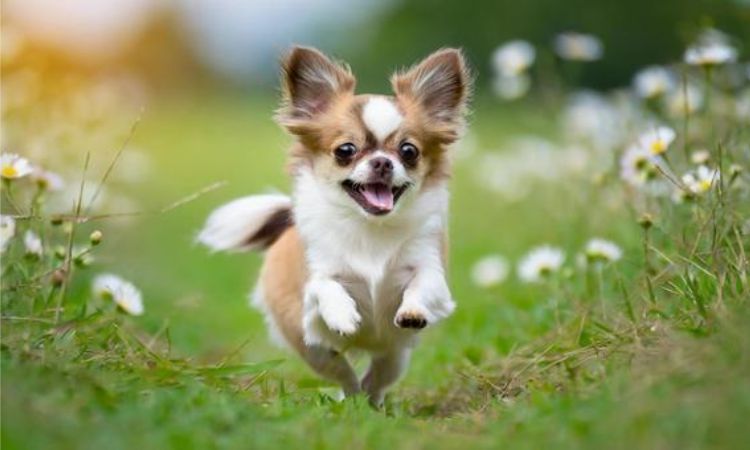
Chihuahuas may be tiny, but their running ability is influenced by a combination of physical, health, environmental, and motivational factors. Understanding these elements is key to ensuring safe and effective exercise routines for your little companion.
Physical Factors
The physical characteristics of a Chihuahua strongly dictate how fast and efficiently they can move. Leg length is one of the most obvious limitations: with short legs, Chihuahuas have a smaller stride compared to larger breeds. This means they must take more steps to cover the same distance, which can make their bursts of speed appear deceptively fast but is less efficient over long distances. Body weight also plays a major role. Even a slight excess in weight strains their small joints, heart, and lungs, reducing endurance and speed. Muscle mass is another critical factor; while Chihuahuas are naturally lean, regular exercise helps develop core and leg muscles that support better acceleration, stability, and overall stamina.
Health Factors
Health-related issues can significantly impact a Chihuahua’s running ability. One of the most common concerns is joint condition, particularly in their knees. Many Chihuahuas are prone to patellar luxation, a condition in which the kneecap slips out of place, causing hopping, skipping, or sudden stopping mid-run. This can reduce their stride efficiency and may even cause pain or injury if ignored. Additionally, age and overall fitness matter: puppies are full of energy but lack coordination and endurance, while senior Chihuahuas may experience reduced stamina and joint stiffness. Maintaining a healthy weight, providing joint supplements if recommended by a vet, and ensuring gradual conditioning are essential to supporting their running capability.
Environmental Factors
The surroundings where a Chihuahua exercises can either enhance or limit their speed. Weather plays a crucial role, as these small dogs are sensitive to extreme temperatures. Hot, humid days can lead to rapid overheating, while icy or slippery conditions increase the risk of injury. The type of surface they run on also matters: soft grass or sand cushions their small legs and paw pads, reducing stress on joints, while hard surfaces like concrete or asphalt can cause abrasions, soreness, and fatigue. Providing a safe, controlled, and comfortable environment ensures that Chihuahuas can move at their natural pace without risk of injury.
Motivational Factors
Finally, a Chihuahua’s motivation strongly influences how fast and how long they run. These tiny dogs often sprint with surprising speed when chasing toys, following a ball, or playing with other dogs. Their excitement level can temporarily boost their performance, leading to sudden bursts of energy that might exceed their usual pace. However, this enthusiasm can also lead to reckless behavior, such as bumping into objects or overexerting themselves. Owners should channel this motivation safely through structured play and supervised exercise, allowing Chihuahuas to express their energy without causing harm.
Can You Run with Your Chihuahua?
Running with a Chihuahua is possible, but it requires careful planning, awareness of your dog’s physical limits, and an understanding of their unique physiology. Unlike larger breeds, Chihuahuas are toy dogs with short legs, delicate joints, and small lung capacity, which means running at a steady pace over long distances can quickly exhaust them. However, with the right approach, they can safely enjoy brisk walks, short jogs, and structured “zooming” exercises.
When It’s Safe to Jog or Run Together
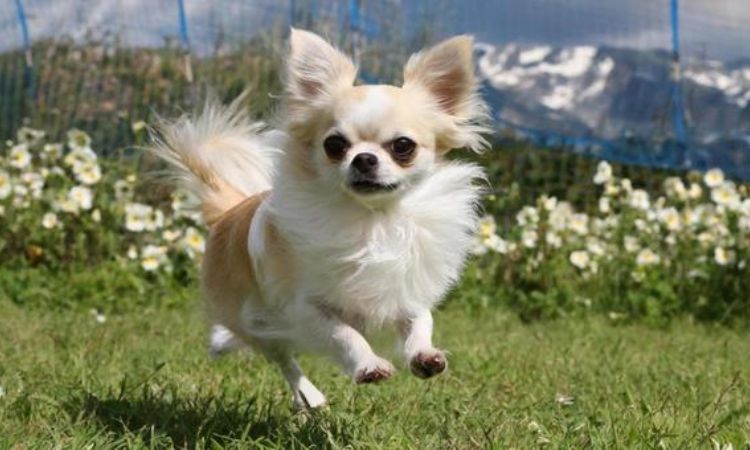
Chihuahuas can participate in short, controlled runs when:
- They are healthy, with no history of joint problems like patellar luxation.
- They are at least 12–18 months old, allowing their bones and joints to mature.
- The pace is adapted to their short legs, usually slower than your normal jogging speed.
- The surface is safe—grass, dirt trails, or shaded park paths are preferable over hot pavement or rocky terrain.
- Weather conditions are mild, avoiding extreme heat or cold.
Even small bursts of running around a yard, park, or secure neighborhood area can provide excellent cardiovascular and mental stimulation for Chihuahuas without overexerting them.
How to Train Your Chihuahua to Run Beside You
Gradual conditioning is key:
- Start with brisk walks: Begin with 5–10 minutes of walking at a comfortable pace. Observe how your Chihuahua handles the distance.
- Introduce short jog intervals: Alternate walking with 30–60 seconds of slow jogging. Gradually increase jogging duration as your dog builds stamina.
- Use positive reinforcement: Praise, treats, or play can motivate your Chihuahua to keep moving alongside you.
- Focus on leash and harness training: Use a lightweight harness instead of a collar to reduce strain on the neck and spine. Avoid retractable leashes that can cause sudden pulls or tangles.
- Incorporate “zoomies” safely: Let your Chihuahua practice short bursts of speed in a safe, enclosed area. These sprints mimic natural running behavior and strengthen muscles without overtaxing joints.
How Far and How Long Is Safe
The safe distance and duration depend on your Chihuahua’s fitness, age, and health:
- Puppies (under 1 year): Avoid jogging; focus on play, short walks, and mental stimulation.
- Young adults (1–5 years): Start with 0.5–1 mile of combined walking and jogging; gradually build up to 2–3 miles for fitter individuals.
- Middle-aged (5–8 years): Shorter distances are recommended; 1–2 miles may be sufficient, monitoring for signs of fatigue.
- Senior dogs (8+ years): Keep exercise gentle, with frequent breaks, and prioritize walking over running.
Pay attention to signs of overexertion: heavy panting, lagging behind, limping, or reluctance to continue. These indicate your Chihuahua has reached its limit and may need to rest or be carried for the remainder of the run.
Suggested Warm-Up and Cool-Down Practices
- Warm-up (3–5 minutes): Start with a slow, easy walk to get the muscles and joints ready for activity. Gentle leash-guided stretching of the legs and neck can help prevent injury.
- Cool-down (3–5 minutes): After jogging, slow back to a walk and allow your Chihuahua to sniff and explore. This reduces muscle tension and supports recovery. Provide water and ensure your dog has a comfortable place to rest afterward.
When to Avoid Running
Running with a Chihuahua is not recommended when:
- Hot weather or direct sun: Small dogs are prone to overheating; paw pads can burn on hot surfaces.
- Extreme cold or icy conditions: Tiny legs and small bodies are more susceptible to frostbite or hypothermia.
- Signs of overexertion: Panting excessively, dragging limbs, limping, or showing reluctance to continue.
- After a large meal: Running immediately after eating can cause gastrointestinal discomfort.
- Joint or health issues: Dogs with arthritis, patellar luxation, or heart/lung conditions should avoid running and stick to walking or low-impact play.
Running with a Chihuahua can be a rewarding way to bond and provide physical and mental exercise, but it must be approached thoughtfully. Gradual training, proper pacing, short distances, and attention to environmental conditions are essential. By respecting your dog’s size, age, and health, you can safely incorporate short jogs, structured play, and brisk walks into your Chihuahua’s daily routine—keeping them healthy, happy, and energized.