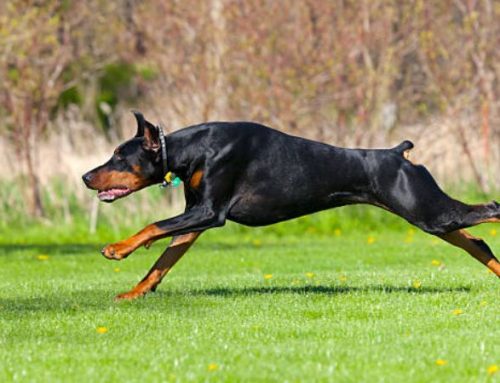

Before the Dalmatian ever became a storybook icon or a firehouse mascot, it was a canine built to move. Beneath that instantly recognizable spotted coat lies a lean, tireless athlete designed for speed, stamina, and long-distance travel.
From pacing galloping horses to sprinting across open ground, the Dalmatian’s history is written in motion—making one question impossible to ignore: just how fast can this striking breed really run, and what gives it the endurance to keep going when others fall behind?
The Raw Speed: How Fast is a Dalmatian?
Dalmatians are far quicker than their spotted appearance might suggest. At full acceleration, a healthy, well-conditioned Dalmatian can reach a top sprinting speed of around 37 miles per hour (approximately 60 km/h). This puts the breed firmly among the fastest dogs in the world, especially impressive for a dog that wasn’t bred purely as a short-distance sprinter.
Beyond all-out speed, Dalmatians truly shine in sustained movement. Their average running speed for moderate distances typically falls between 15 and 20 miles per hour (about 24–32 km/h), a pace they can maintain far longer than most breeds. This balance between speed and endurance comes directly from their history as coach dogs, where they were expected to run alongside horses for miles without tiring, rather than explode into a brief sprint and stop.
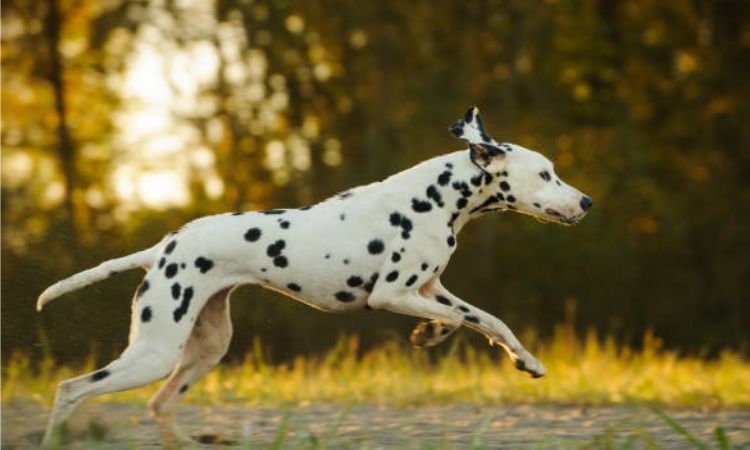
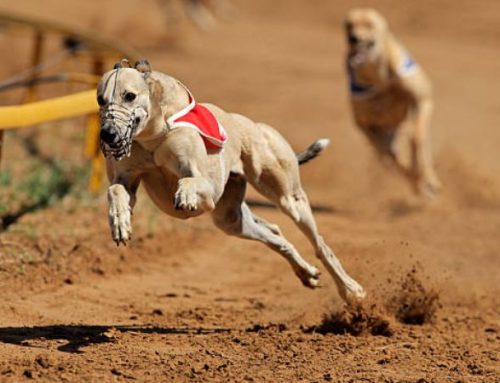
When comparing them to other breeds, the Dalmatian occupies a unique middle ground. While it can’t quite match the raw top-end velocity of a Greyhound, which can reach roughly 45 miles per hour (72 km/h), it still outpaces the vast majority of dogs. In fact, Dalmatians are faster than most non-sporting breeds and even surpass many athletic working dogs in both speed and stamina. This combination makes them exceptional running companions—fast enough to feel exhilarating, yet resilient enough to keep going long after many other dogs would slow down.
Built for the Long Haul: Endurance and History
The “Coach Dog” Legacy
Dalmatians’ remarkable endurance isn’t just a modern trait—it’s deeply rooted in their centuries-old history. In the 17th century, they were primarily employed as coach dogs, running alongside horse-drawn carriages to protect the horses and passengers during travel. Their alert and protective nature made them ideal guardians on the roads, where they would ward off potential threats ranging from bandits to wild animals. The role demanded not only courage but also the ability to maintain a consistent pace for long distances, a trait that remains characteristic of the breed today.
The Firehouse Connection
As urban fire departments evolved, Dalmatians found a second, equally demanding role: running ahead of horse-drawn fire engines. Their job was twofold—clearing a path for the horses through crowded streets and keeping the animals calm in chaotic, noisy situations. These responsibilities required incredible stamina, focus, and coordination. Their natural athleticism and compatibility with horses made them perfect for this high-energy, endurance-based work, turning them into iconic symbols of the classic firehouse.
Physical Stamina
Unlike breeds designed for short, explosive sprints, Dalmatians are built for sustained activity. Their lean, muscular bodies, long legs, and deep chests provide ample lung capacity for extended exertion. Additionally, their efficient skeletal structure and smooth, ground-covering gait allow them to run for hours at a steady pace without overexertion. This combination of speed and endurance makes Dalmatians not just fast, but exceptionally resilient athletes, capable of keeping up with long-distance runners, cyclists, or even multi-hour trail hikes. Their historical roles have left a lasting mark on their physiology, ensuring that modern Dalmatians still embody the stamina and endurance of their hardworking ancestors.
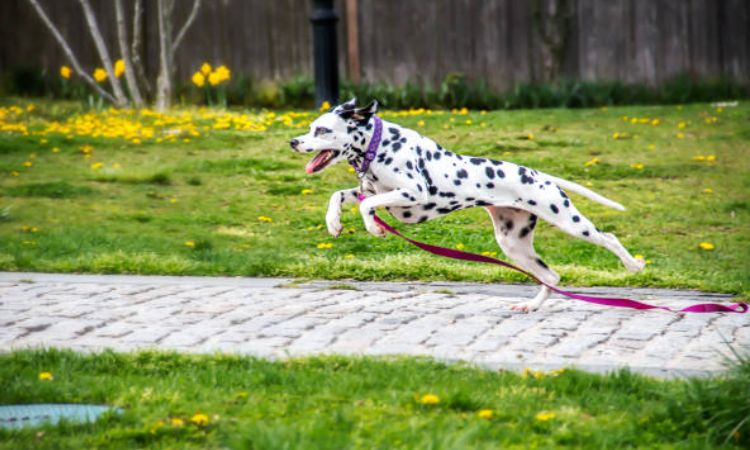
Dalmatian Speed vs. Other Popular Breeds
| Breed | Top Speed | Primary Strength / Notes |
| Greyhound | 45 mph (72 km/h) | Supreme sprinter; long-legged, aerodynamic build; excels in short-distance bursts; sighthound instincts. |
| Dalmatian | 37 mph (60 km/h) | Exceptional endurance and stamina; historically bred as carriage/firehouse dogs; can maintain steady pace over long distances. |
| Border Collie | 30 mph (48 km/h) | Incredible agility and intelligence; excels in herding and work-based tasks; can sustain moderate-speed running for long periods. |
| German Shepherd | 30 mph (48 km/h) | Strong, muscular build; powerful bursts of speed; ideal for work, protection, and short-distance sprints. |
| Golden Retriever | 25 mph (40 km/h) | Energetic and playful; excellent for moderate sprinting and retrieving; strong swimming ability; less endurance than sporting breeds. |
Factors That Influence a Dalmatian’s Speed
While Dalmatians are naturally fast and resilient, several key factors influence just how quickly they can run and how effectively they maintain endurance. Understanding these elements is essential for keeping your Dalmatian safe, healthy, and performing at their best.
Age and Development
One of the most important considerations when it comes to a Dalmatian’s speed is age and skeletal development. Puppies and adolescent dogs should never participate in intensive running or “road work” until their growth plates have fully closed, which typically occurs between 18 and 24 months. Running too early can risk injury to developing bones, joints, and ligaments, potentially limiting their athletic potential later in life. Gradual exposure to low-impact activities like short walks, gentle play, or swimming helps strengthen muscles and coordination while minimizing risk.
Genetics and Breeding
Not all Dalmatians are created equal in terms of speed and stamina. Genetics play a major role, and there is a noticeable difference between show-line and working-line Dalmatians.
- Show-line Dalmatians are often bred for conformation, appearance, and adherence to breed standards. While still athletic, they may not have the same explosive speed or long-distance endurance as their working-line counterparts.
- Working-line Dalmatians, historically bred for carriage and coach work, tend to be leaner, more muscular, and naturally inclined to run longer distances with greater efficiency. Choosing the right lineage can significantly influence a Dalmatian’s athletic capabilities.
The “Uric Acid” Factor
Dalmatians are unique among dog breeds because of their distinct uric acid metabolism. This trait not only affects their predisposition to conditions like urinary stones but also influences hydration, electrolyte balance, and energy output during physical activity. Proper hydration and nutrition are essential for maximizing performance while preventing fatigue or metabolic stress during intense exercise. Owners should ensure their dogs have access to water during long runs and provide diets that support energy metabolism and overall joint health.
Conditioning and Training
Like human athletes, Dalmatians require gradual conditioning to reach peak speed and endurance. Sudden, intense exercise can lead to overexertion or injury, whereas a structured training program allows the dog to build strength, stamina, and cardiovascular fitness over time. Effective conditioning strategies include:
- Incrementally increasing distance and intensity of runs
- Incorporating varied terrain such as trails, grass, and hills to develop muscles and coordination
- Mixing sprint intervals with steady-state endurance training
- Allowing proper rest and recovery days to prevent burnout
Consistent, well-planned exercise not only maximizes a Dalmatian’s natural speed but also strengthens their mental focus, making them safer and more responsive while running off-leash or participating in organized distance challenges.
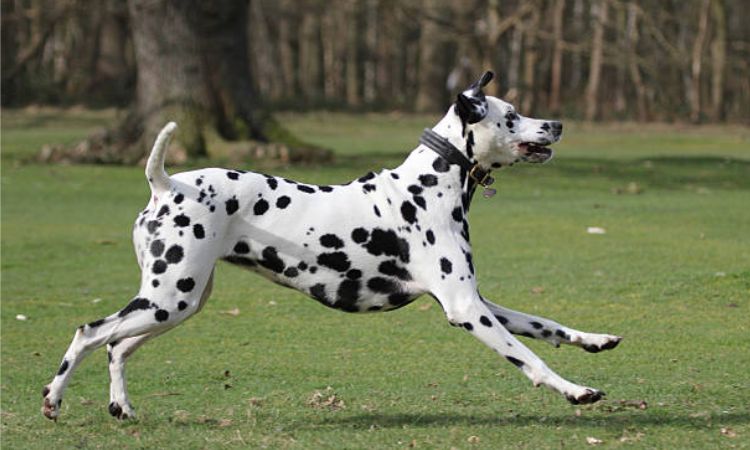
Frequently Asked Questions (FAQ)
Can a Dalmatian outrun a human?
Absolutely. Even the fastest human sprinters, like Usain Bolt, top out at roughly 27 miles per hour (43 km/h), while a Dalmatian can reach speeds of up to 37 miles per hour (60 km/h). This puts Dalmatians well ahead of humans in short bursts of sprinting. Their lean, muscular bodies, long legs, and deep chests provide the physical structure necessary for explosive acceleration, making them natural athletes capable of outpacing most humans effortlessly.
How much exercise does a Dalmatian need daily?
Dalmatians are high-energy dogs bred for endurance and constant activity, so daily exercise is essential to keep them happy and healthy. They require approximately 60–90 minutes of vigorous, high-intensity activity each day. This can include activities such as jogging, running, fetch, swimming, agility training, or playing frisbee. Inadequate exercise can lead to destructive behavior or restlessness, so incorporating structured physical activity into their daily routine is key. Additionally, mixing in mental stimulation, such as puzzle toys or scent games, can help satisfy their active minds.
Are Dalmatians good marathon or long-distance running partners?
Yes, Dalmatians are arguably one of the best breeds for long-distance running or marathon training, thanks to their historical role as “coach dogs”. Bred to run alongside horse-drawn carriages, they were conditioned to maintain a steady pace over hours of activity, combining both speed and endurance. Unlike sprinter breeds that excel in short bursts, Dalmatians can sustain moderate speeds over long distances without fatiguing quickly. Many Dalmatian owners today participate in road trials, endurance runs, or long trail runs, logging impressive annual mileage with their dogs. With proper conditioning, hydration, and gradual training from a young age, Dalmatians make loyal, tireless running companions capable of keeping up with serious long-distance runners.
- You Might Also Be Interested In: How fast can a husky run