
Few dog breeds capture our imagination like the German Shepherd: loyal, intelligent, and always alert. But beyond their keen minds and protective instincts lies another impressive trait—speed. Whether chasing a ball in the park, performing police or military duties, or sprinting alongside their human companions, German Shepherds are remarkable athletes.
So just how fast can a German Shepherd run? In this guide, we’ll break down their top speeds, explore their stamina, and reveal the surprising facts about what makes these dogs not only swift but built to endure. If you’ve ever wondered how these iconic dogs measure up in the world of canine runners, you’re about to find out.
How Fast Can a German Shepherd Run?
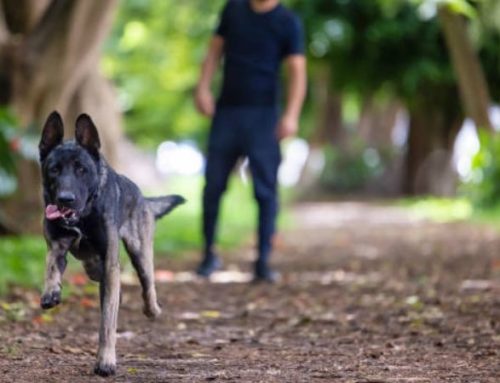
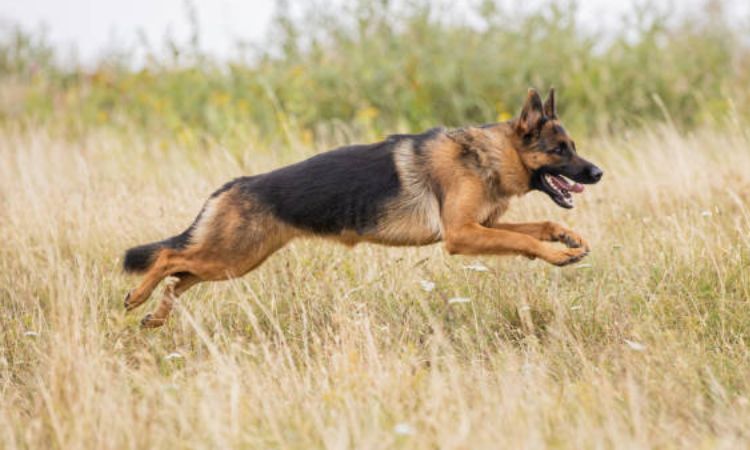
German Shepherds (GSDs) are among the fastest and most athletic dog breeds, built for both speed and endurance. On average, a healthy adult German Shepherd can reach speeds of 30 miles per hour (48 km/h) in short bursts. Some exceptionally fit working-line GSDs, especially those with optimal structure and conditioning, have been reported to maintain speeds of 25–30 mph (40–48 km/h) over a short distance, with peak sprinting bursts slightly exceeding this.
Comparing German Shepherd Speed
Average Human Jogger/Sprinter
- Jogger: Most recreational runners maintain a speed of 5–8 mph (8–13 km/h), with a mile taking roughly 9–12 minutes. This pace is comfortable, sustainable, and conversational.
- Sprinter: For humans putting in maximum effort, average sprinters can reach 13–19 mph (21–30 km/h) for short bursts, such as a 100-meter dash in 15–20 seconds. Elite sprinters exceed these numbers, but even at their peak, humans are significantly slower than a German Shepherd over the same distance.
Other Dog Breeds
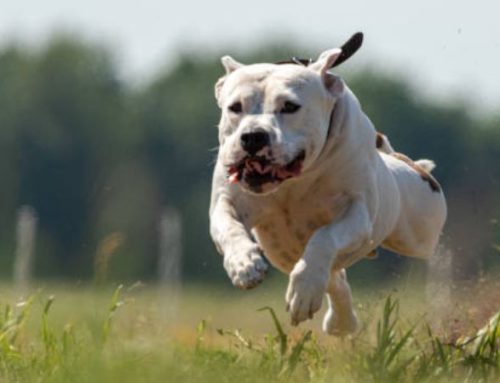
- Pit Bulls: Athletic and fast, Pit Bulls can reach 25–30 mph (40–48 km/h) in short bursts. However, their speed tends to be over shorter distances, and they lack the endurance of a GSD for prolonged runs.
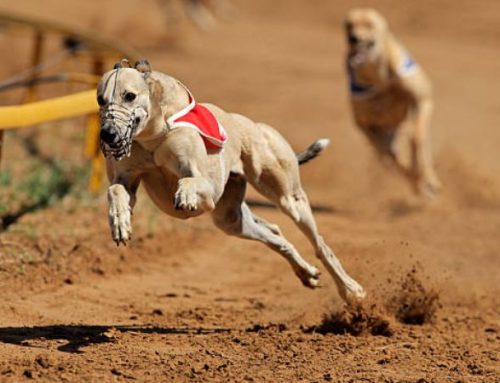
- Greyhounds: The ultimate sprinting breed, Greyhounds can top 45 mph (72 km/h), far surpassing GSDs but primarily over short distances.
- Belgian Malinois: Slightly faster and more agile than the average German Shepherd, with sprint speeds around 30–35 mph (48–56 km/h).
- Labradors and other sporting breeds: Generally slightly slower, with top speeds around 20–30 mph (32–48 km/h), but with good endurance over longer distances.
Factors That Influence Top Speed
Several variables determine how fast a German Shepherd can run at any given time:
- Age: Puppies and senior GSDs run slower than prime adult dogs. Peak sprinting ability typically occurs between 2–5 years of age.
- Fitness and Conditioning: Dogs that are regularly exercised, trained for running, or engaged in sports like agility or herding maintain higher speeds and better endurance. Working-line GSDs often outperform pet-line dogs in both sprint and sustained running.
- Size and Build: GSDs with ideal conformation—balanced bone structure, long legs, strong hip drive—run faster and more efficiently. Overweight or structurally unsound dogs will lag.
- Terrain and Climate: Running on soft sand, uneven trails, or hot, humid conditions slows dogs down and increases fatigue. GSDs perform best on firm, flat surfaces in moderate temperatures.
- Motivation and Mental State: A dog chasing a ball or performing a working task will naturally push closer to its top speed compared to casual running.
A German Shepherd is significantly faster than the average human, both jogger and sprinter, with top speeds that rival other athletic breeds. While breeds like Greyhounds and some Belgian Malinois can surpass them in pure speed, GSDs balance speed with endurance, intelligence, and agility, making them excellent running companions over medium to long distances.
Dog owners might be interested: German shepherd common health problems
The Science Behind Their Speed
German Shepherds are not just fast—they are built for speed and endurance in a way few breeds can match. Their body structure plays a major role in this. They have long, muscular legs and strong, well-angulated hips that provide explosive propulsion while running. Their balanced gait allows them to cover ground efficiently, conserving energy over longer distances. Unlike many short-legged or stockier breeds, GSDs can maintain a trot or brisk run for hours, making them ideal for herding, police work, and search-and-rescue tasks. A well-bred, healthy German Shepherd resembles a finely tuned athlete, combining power with coordination in every stride.
Equally important are their cardiovascular and respiratory systems. German Shepherds have highly efficient lung capacity and strong, resilient hearts that pump oxygen effectively throughout the body. This allows them to sustain higher speeds for longer periods without fatigue. Unlike some breeds that rely solely on bursts of sprinting power, GSDs can alternate between short, explosive bursts and steady endurance running, making them versatile athletes capable of handling both chase and patrol scenarios.
Finally, their natural herding instincts influence how they use their speed. German Shepherds were originally bred to manage livestock, which required sudden bursts of sprinting to round up animals, followed by careful pacing to maintain control over long periods. This instinctual combination of speed and strategy means they don’t just run fast—they run smart. They know when to accelerate and when to conserve energy, a trait that makes them exceptional working dogs as well as loyal companions capable of keeping up with active human partners.

German Shepherd Stamina and Running Endurance
German Shepherds are athletic, intelligent, and versatile dogs, but their stamina and running endurance are shaped by their breed-specific physiology and natural instincts. Unlike specialized long-distance breeds such as Huskies, GSDs are built for short bursts of speed, agility, and controlled endurance, rather than marathon-like runs.
Typical Running Endurance
With proper conditioning, a healthy adult German Shepherd can comfortably cover 3–5 miles (5–8 km) of continuous jogging. For less conditioned dogs or during warm weather, distances of 1–2 miles (1.5–3 km) are often more realistic. These distances allow the dog to remain healthy, maintain energy, and avoid overexertion, particularly because GSDs have thick double coats that can contribute to overheating. Their stamina improves gradually with consistent, safe training, but expecting a GSD to run long distances at a steady pace without breaks is unrealistic and potentially unsafe.
The Importance of Building Endurance Gradually
Endurance training for a German Shepherd should always follow a progressive, gradual approach. Start with shorter runs or brisk walks and incrementally increase duration and intensity. Interval training—alternating between jogging, walking, or short sprints—aligns with the GSD’s natural work style and promotes cardiovascular health, stronger muscles, and overall stamina. Pushing your dog too hard, too quickly, increases the risk of joint strain, overheating, or exhaustion, especially in younger or older dogs.
Daily Activities and Long-Term Stamina
Regular daily exercise plays a critical role in building and maintaining a German Shepherd’s endurance. Beyond structured jogging, activities such as hiking, swimming, fetch, or agility training enhance cardiovascular capacity, muscle tone, and mental focus. Consistency is key: dogs that remain active through daily exercise will have longer-lasting stamina and greater resilience for physical challenges. Conversely, sporadic or excessive high-intensity activity without proper rest can lead to fatigue, injury, or behavioral stress.
Signs Your Dog Needs a Rest Break
Even a well-conditioned GSD will signal when it needs a pause. Watch for cues such as slowing down, lagging behind, heavy panting, excessive drooling, lying down, or seeking shade. Ignoring these signs, particularly in hot or humid conditions, can lead to serious health risks like heat exhaustion or joint strain. Offering water, allowing short rest periods, and adjusting pace based on your dog’s response ensures safe, effective endurance training.
Training Tips to Boost Speed and Endurance
German Shepherds are naturally athletic dogs, combining speed, power, and endurance thanks to their muscular build, strong hips, and agile gait. While they are capable of impressive bursts of speed, building long-term stamina and safe running habits requires structured training, proper care, and gradual conditioning. Here’s a detailed guide to boosting your GSD’s speed and endurance safely.
1. Warm-Up and Cool-Down Exercises
Before any run, it’s crucial to warm up your German Shepherd to prevent injuries and optimize performance. Warm-up exercises increase blood flow to muscles, loosen joints, and prepare the cardiovascular system for activity. Recommended warm-ups include:
- Light walking for 5–10 minutes to gradually elevate heart rate.
- Gentle dynamic stretches such as paw lifts, neck rotations, and slow lunges (performed with supervision).
- Short play sessions like fetching a ball at a slow pace to engage muscles gradually.
After the run, a cool-down session is equally important to prevent muscle soreness and promote recovery:
- Slow walking for 5–10 minutes to bring heart rate down gradually.
- Static stretching (gentle leg and hip stretches) to maintain flexibility.
- Hydration and rest in a shaded area, especially in warm weather.
Consistently including warm-up and cool-down routines ensures your GSD avoids strain, overheating, or joint issues during high-intensity activities.

2. Recommended Running Routines for Adult German Shepherds
Adult German Shepherds are energetic but not built for ultra-long runs like Huskies. The key is to structure running sessions based on their stamina and gradually increase intensity. Recommended running routines:
- Short Intervals for Speed: Start with 5–10 minutes of jogging followed by 1–2 minutes of brisk sprinting. Repeat 2–3 cycles. This builds cardiovascular fitness and trains your dog for bursts of speed.
- Moderate Continuous Runs: Begin with 15–20 minutes of steady-paced jogging. Gradually increase by 5 minutes per week as your dog adapts.
- Rest Days: Incorporate at least one or two rest or light activity days per week to allow recovery and prevent overexertion.
Remember: German Shepherds often give clear signals when they’re fatigued—panting heavily, lagging behind, or trying to stop. Listen to your dog and adjust the routine as needed.
3. Improving Stamina Safely with Consistency
Building endurance takes time, patience, and gradual progression. To improve your GSD’s stamina safely:
- Increase Duration Gradually: Add only 5–10% extra time or distance per week to avoid overloading muscles and joints.
- Monitor Fitness Levels: Consider age, weight, and current fitness. Puppies and senior dogs require shorter sessions, while healthy adults can handle moderate daily runs.
- Hydration and Weather Awareness: Hot weather or humid conditions can quickly lead to overheating. Offer water before, during, and after runs. Avoid peak heat hours; early mornings or late evenings are optimal.
- Combine Cardio with Mental Exercises: Stamina isn’t just physical. Integrate obedience drills, scent work, or agility tasks between running intervals to strengthen focus and overall endurance.
Consistency is more effective than occasional long runs. Short, frequent sessions build endurance while reducing injury risk.
4. Best Surfaces for Running
The running surface impacts joint health, paw safety, and traction. German Shepherds perform best on soft, forgiving terrain:
- Grass: Ideal for reducing impact on joints and paws. Smooth, open fields are perfect for interval sprints or continuous running.
- Trails or Dirt Paths: Provide natural resistance and engage stabilizing muscles. Avoid rocky or uneven paths that could cause injuries.
- Avoid Hard Asphalt or Concrete: These surfaces increase stress on joints and paws, raising the risk of injuries, paw pad abrasions, and hip strain. If running on asphalt is unavoidable, shorten the distance and consider protective paw wax or booties.
- Varied Terrain: Introducing small inclines, gentle slopes, or mixed surfaces strengthens muscles and improves balance and endurance.
German Shepherds combine natural speed, agility, and endurance, making them exceptional runners when conditioned properly. Understanding their top speeds, how stamina develops, and the factors that influence performance—such as age, fitness, terrain, and training—allows owners to safely maximize their dog’s running potential. With structured exercise routines, gradual conditioning, and attention to both physical and mental stimulation, German Shepherds can excel in short sprints, longer jogs, and even advanced activities like agility or herding, all while staying healthy and energized.