
With their piercing blue eyes, striking masks, and boundless energy, Siberian Huskies are more than just beautiful dogs—they’re natural-born athletes built for endurance and adventure. Originally bred to pull sleds across frozen tundras in tight-knit packs, these medium-sized powerhouses combine stamina, agility, and surprising bursts of speed. So, just how fast can a Husky really run? Let’s uncover their top speed—and the fascinating reasons behind it.
Husky’s Top Running Speed
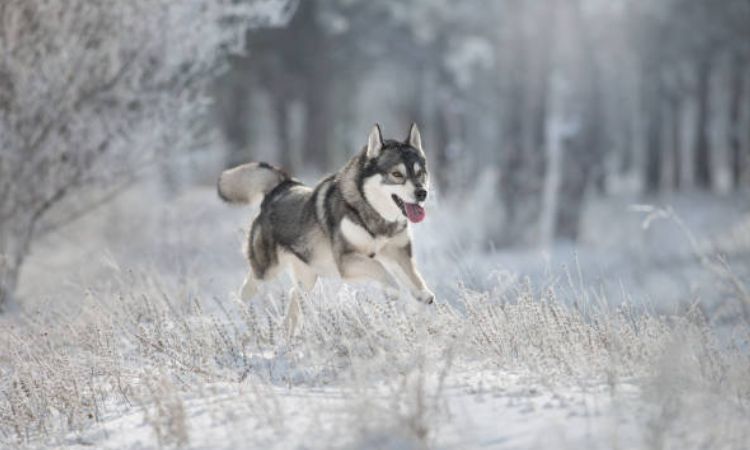
Siberian Huskies are renowned for their endurance rather than outright sprinting power, but they are still capable of impressive bursts of speed. On average, a healthy adult Husky can reach running speeds of 25–30 miles per hour (40–48 km/h) in short sprints. Elite racing or sled-line Huskies, particularly Alaskan Huskies, can occasionally hit the upper end of this range under ideal conditions, though these are exceptions rather than the rule.
When compared to other dog breeds, Huskies are not the absolute fastest. For example, Greyhounds—the world’s recognized fastest dog breed—can sprint up to 45 mph (72 km/h), while breeds like Whippets and Salukis can reach 35–42 mph (56–68 km/h). Even athletic retrievers, such as Labradors, generally peak around 20–25 mph (32–40 km/h). This places Huskies in the mid-to-upper range: faster than most general-purpose breeds, but behind specialized sprinting breeds.
What truly sets Huskies apart is their ability to sustain steady speeds over extremely long distances. Unlike Greyhounds, which are designed for short bursts in races, Huskies were bred to pull sleds across hundreds of miles in frigid Arctic conditions. They can maintain a consistent pace of 8–10 mph (13–16 km/h) for many hours, sometimes covering 50–100 miles in a single day under ideal cold-weather conditions. This combination of moderate sprinting capability and unparalleled endurance makes them exceptional long-distance athletes rather than short-distance sprinters.
Why Are Huskies Such Fast Runners?
Siberian Huskies’ impressive running abilities are the result of centuries of selective breeding, unique physiology, and innate behavioral traits. They weren’t just designed to look beautiful—they were built to move efficiently over vast, harsh terrains in extreme cold.
Genetic Heritage
Huskies descend from the Chukchi people’s working dogs of Siberia, specifically bred for long-distance sled pulling. Unlike sprinter breeds, which excel in short bursts, Huskies were developed to maintain steady speeds over hundreds of miles. Their genetic makeup emphasizes endurance, stamina, and resilience in freezing conditions, allowing them to thrive where other breeds would quickly tire. This heritage ensures that even today, Huskies possess extraordinary cardiovascular strength and muscular endurance.
Body Structure
Physically, Huskies are optimized for long-distance running. They have a lightweight, compact frame, long and muscular legs, and an aerodynamic build that minimizes drag and maximizes stride efficiency. Their flexible spine, lean torso, and strong hindquarters allow for powerful propulsion, while their double-layered coat protects them from cold without adding excessive weight. These anatomical traits make them fast, efficient, and enduring movers rather than explosive sprinters.
Metabolism
Huskies also have highly efficient metabolism and oxygen utilization. Their muscles are capable of sustained aerobic activity, meaning they can convert energy into motion over long periods with minimal fatigue. This metabolic efficiency allows them to maintain moderate speeds for hours, making them ideal for sledding, racing, or long runs in cold climates.
Motivation & Mindset
Beyond genetics and physiology, Huskies’ natural temperament plays a critical role. They possess a strong drive to work and run, reinforced by their pack-oriented mentality. In a sled team or alongside their human companion, Huskies are motivated to keep moving in unison, displaying persistence, determination, and a playful competitive spirit. This mental endurance complements their physical capabilities, enabling them to push through fatigue and cover great distances with enthusiasm.
Factors That Affect a Husky’s Running Speed
Several variables influence how fast a Siberian Husky can run, and understanding them is crucial for owners who want to safely maximize their dog’s performance. Huskies are naturally athletic, but their speed and endurance can vary depending on multiple factors.
Age and Physical Condition
A Husky’s age and overall fitness play a significant role in their running capabilities. Puppies and young dogs are still developing muscles, joints, and cardiovascular strength, so they should not be pushed into long or intense runs until at least 12–18 months old. Adult Huskies in peak physical condition, especially those bred from racing or working lines, can maintain steady paces of 9–10 mph for long distances and sprint up to 28–30 mph for short bursts. Older Huskies may experience decreased stamina or joint issues, which naturally reduces both their sprinting and endurance potential.
Weather and Running Surface
Huskies are cold-weather specialists. Their thick double coat and lean, muscular build allow them to run comfortably in freezing temperatures, even over long distances. However, heat is a major limiting factor: running on hot pavement or in warm climates can lead to overheating and exhaustion, drastically reducing speed. Snow, packed trails, and grass are ideal surfaces, while asphalt in summer or slippery surfaces can slow them down and increase the risk of injury.
Diet and Hydration
Nutrition and hydration are critical for optimal running performance. Huskies require a high-quality diet rich in protein and fats to fuel long runs and support muscle recovery. During extended activity, they must be properly hydrated to maintain endurance and cardiovascular efficiency. Dehydration or inadequate nutrition can quickly impair speed and stamina, especially on multi-mile runs or in cold, demanding conditions.
Training Intensity and Consistency
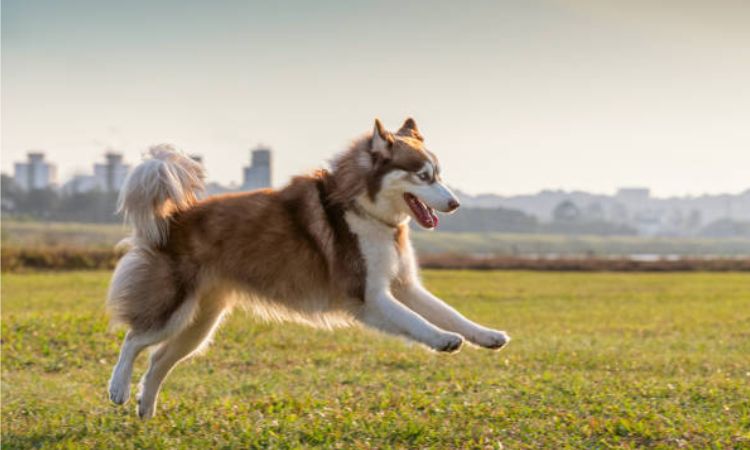
Huskies improve their running speed and endurance with gradual, consistent training. Interval training, long-distance builds, and sled-pulling exercises enhance cardiovascular capacity, muscle strength, and stamina. However, overtraining or sudden spikes in distance can lead to fatigue, injuries, or joint stress. The most efficient training programs focus on progressive distance, proper rest, and recovery, ensuring Huskies can sustain their natural endurance without compromising health.
Motivation and Mental State
A Husky’s natural drive, pack mentality, and motivation can have a surprising impact on running speed. Huskies often run faster when chasing, pulling sleds, or following a leader, reflecting their ancestral work ethic. Conversely, a distracted or unmotivated Husky may lag behind, regardless of their physical conditioning. Understanding a dog’s temperament and providing engaging, goal-oriented activities can unlock their peak performance while keeping them mentally stimulated.
Can You Run With Your Husky?
Siberian Huskies are natural runners, bred for pulling sleds across vast distances in harsh Arctic climates. Their high endurance, energy, and drive make them excellent companions for active owners, especially those who enjoy jogging, trail running, or long hikes. However, running with a Husky is not as simple as leashing them up and heading out the door—it requires careful planning, attention to safety, and gradual conditioning to prevent injury or exhaustion.
Safe Exercise Guidelines for Owners
- Start Slowly and Build Up Gradually
Even though Huskies are built for endurance, it’s important to respect their growing joints, muscles, and stamina. Puppies and young dogs (under 12–18 months) should not be subjected to sustained running. Start with brisk walks and short intervals of jogging, gradually increasing both the distance and intensity. This progressive approach builds cardiovascular fitness, strengthens paw pads, and prevents injuries such as sprains or hip problems. - Use Proper Gear
A well-fitted running harness is essential to prevent strain on the neck and back, especially if your Husky has the instinct to pull. Pair it with a secure leash to maintain control, as Huskies are curious and may chase wildlife or sprint unexpectedly. Avoid collars for running; they place unnecessary stress on the neck and can lead to injuries during high-speed movement. - Choose the Right Terrain
Surface choice matters greatly. Soft grass, dirt trails, packed snow, or sand are ideal for long runs, minimizing impact on joints and paw pads. Avoid asphalt, concrete, or overly rocky terrain for long distances, as these can cause wear and tear on paw pads and lead to joint strain over time. - Mind the Weather and Time of Day
Huskies are built for cold weather and have thick double coats that make running in warm climates risky. Avoid running during hot or humid conditions, and plan your runs for early morning or late evening when temperatures are cooler. Watch for signs of overheating—heavy panting, bright red gums, thick saliva, or weakness—and always carry water to keep your Husky hydrated.
Ideal Distances and Duration
The distance your Husky can run safely depends on age, conditioning, breed line, and individual stamina:
- Puppies (under 1 year): Short walks with light jogging, max 1–2 miles at a time.
- Young adults (1–2 years): Gradually increase to 3–5 miles, alternating jogging and walking intervals.
- Fully mature, conditioned Huskies: Can comfortably cover 10–20 miles per day on moderate terrain. Trained sled or racing Huskies may handle longer distances in optimal conditions, but these runs should be built up over time and monitored carefully.
It’s important to note that not all Huskies are the same—genetics, line (show vs. sled), and prior conditioning can significantly affect endurance and speed.
Warning Signs of Fatigue or Overexertion
Even though Huskies have impressive stamina, overexertion can be dangerous. Watch for these warning signs during or after runs:
- Excessive or labored panting
- Bright red gums or thick saliva
- Sluggishness or unwillingness to continue
- Limping or stiffness
- Vomiting or signs of dehydration
- Confusion or unsteady gait
If any of these signs occur, stop the run immediately, offer water, and allow your Husky to rest in a cool, shaded area.
Tips for Building Endurance Safely
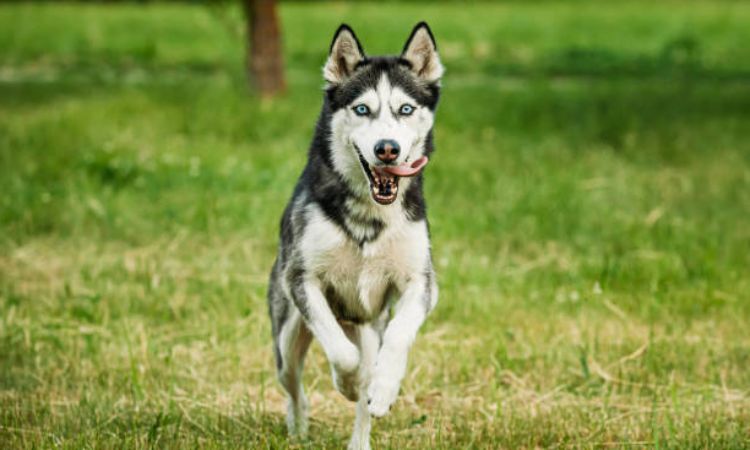
- Alternate walking and jogging: This interval approach gradually conditions muscles and cardiovascular capacity.
- Increase mileage gradually: Avoid jumping too quickly into long runs; increase distance 10–15% per week.
- Cross-training: Hiking, swimming, or cycling alongside your Husky can improve stamina without overloading joints.
- Rest days are crucial: Allow your Husky time to recover between long runs to prevent overuse injuries.
- Positive reinforcement: Huskies respond well to praise, treats, and encouragement, helping them stay motivated during training.
- Monitor weather closely: Even short runs in heat can quickly become dangerous; Huskies perform best in cooler conditions.
Dog owners might be interested
Running with a Siberian Husky can be a rewarding experience for both owner and dog, but it requires patience, planning, and close attention to safety. By starting slow, using the right gear, choosing safe terrain, and gradually building endurance, your Husky can become a capable running partner while avoiding injury or overexertion. Remember, every Husky is unique—some will thrive on long-distance runs, while others may need shorter, more frequent workouts to stay healthy and happy.