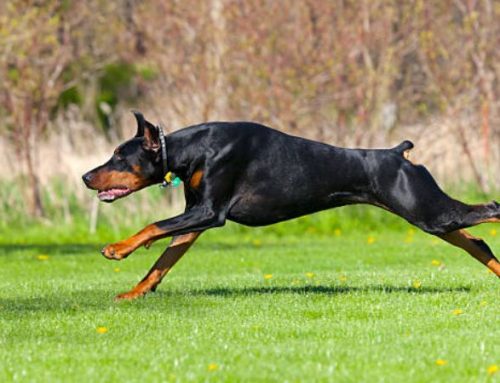

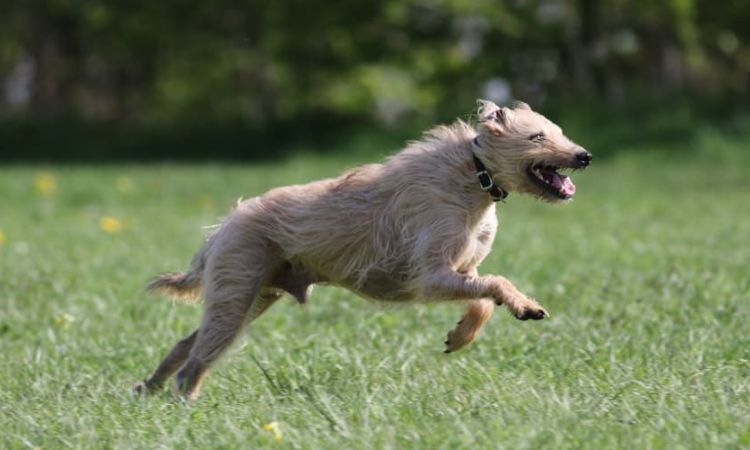
When it comes to speed and grace on four legs, Lurchers are the undisputed showstoppers of the dog world. Sleek, athletic, and born to chase, these charming crossbreeds combine the lightning-quick reflexes of a sighthound with the stamina and smarts of a working dog.
But just how fast can a Lurcher really sprint, and how do they stack up against the legendary Greyhound? Whether you’re a dog lover, a runner looking for the perfect four-legged companion, or just curious about canine speedsters, understanding the Lurcher’s pace and what makes them such natural sprinters is as fascinating as watching them bolt across an open field.
What is a Lurcher? (The Speed is in the DNA)
A Lurcher is not a single, standardized breed, but rather a versatile crossbreed carefully developed by breeders over centuries. Typically, a Lurcher results from pairing a sighthound, such as a Greyhound, Whippet, or Saluki, with a working dog commonly a Collie, Terrier, or even a Bullbreed. This unique blend creates a dog that is not only visually striking but also remarkably athletic, intelligent, and adaptable.
The sighthound parent contributes sleek lines, long legs, and exceptional speed. These dogs were originally bred for spotting and chasing prey over open terrain, making them some of the fastest dogs in existence. Meanwhile, the working dog parent brings resilience, stamina, sharp problem-solving skills, and a strong work ethic. Together, these traits produce a dog capable of quick bursts of speed, agile movements, and clever decision-making during hunts.
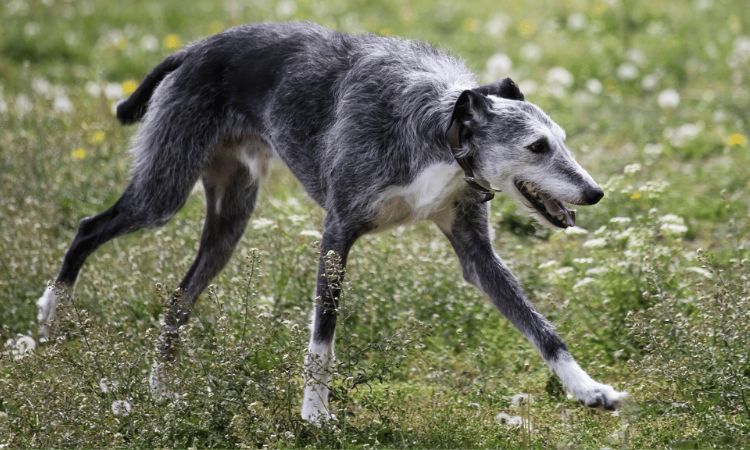
The goal of this cross was highly practical. Historically, Lurchers were bred in Britain and Ireland to assist poachers and hunters in capturing rabbits, hares, and small game. Hunters sought a dog that could combine the Greyhound’s unmatched sprinting ability with the intelligence, cunning, and endurance of a working dog. By blending these traits, breeders created dogs that could move stealthily, make split-second decisions, and excel in a variety of terrains—all while maintaining loyalty and trainability.
Over time, this purposeful breeding strategy has given the Lurcher a reputation for speed in its DNA, but also for versatility and companionship. Today, Lurchers are celebrated not only for their hunting prowess but also as affectionate family pets, competitors in lure coursing and dog sports, and loyal companions who embody a rare balance of athleticism, intelligence, and heart.
Lurcher Speed vs. Greyhound: The Breakdown
Raw Speed vs. Performance
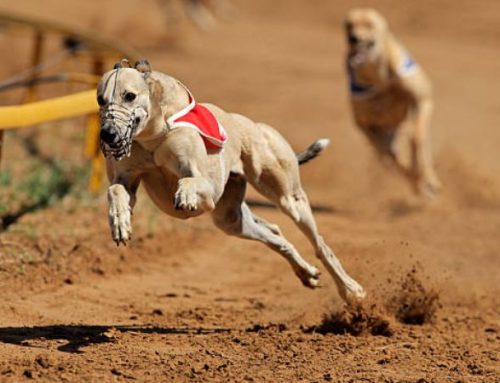
Greyhounds hold the crown for sheer top-end velocity. With a specialized build designed for sprinting—long legs, deep chest, and powerful fast-twitch muscles—they can reach speeds of up to 45 mph (72 km/h). This explosive speed makes them formidable on short, straight tracks such as racing ovals or open fields. However, their performance tends to drop over uneven terrain or during prolonged activity, as their thin frames prioritize acceleration over stamina.
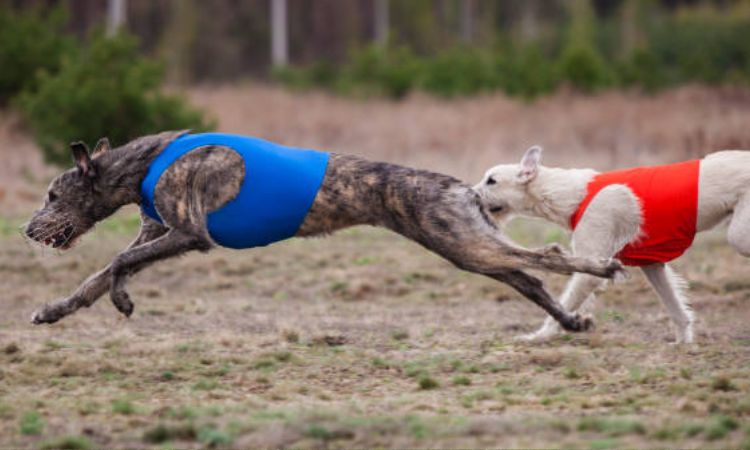
Lurchers, in contrast, usually clock in slightly lower top speeds—typically 35 to 40 mph (56–64 km/h)—depending on the proportion of sighthound DNA in their lineage. While they may not hit the same raw numbers as Greyhounds, Lurchers excel in real-world performance scenarios. Their working dog heritage provides added muscular strength, endurance, and adaptability, allowing them to maintain high speeds over longer distances, navigate uneven terrain, and adjust quickly to obstacles. This makes them especially suited for hunting, lure coursing, or varied outdoor activities where agility and stamina matter just as much as top-end sprinting.
Greyhounds dominate straight-line speed, but Lurchers often outperform in practical scenarios that require balance, maneuverability, and sustained effort.
Acceleration: “0 to Top Speed”
Greyhounds are often compared to supercars in the canine world, going from a standstill to their maximum velocity in mere seconds. Their explosive acceleration is made possible by:
- Deep chest cavity allowing for rapid oxygen intake
- Strong hind leg muscles for powerful propulsion
- A flexible spine that extends stride length during sprints
This enables Greyhounds to achieve their top speed almost immediately, a trait that gives them an advantage in racing and chase scenarios.
Lurchers, while fast, generally accelerate more gradually than Greyhounds. The presence of a working dog in their lineage—like a Collie or Terrier—adds muscle density and endurance, which slightly reduces their peak sprinting explosiveness. However, this trade-off gives Lurchers superior control and balance when running on rough terrain, turning sharply, or navigating obstacles. A Lurcher’s acceleration might not match the “0 to 45 mph” punch of a Greyhound, but their ability to sustain speed over distance and handle varied ground often makes them more effective in real-world scenarios.
Terrain and Adaptability
One of the key differences between these two breeds emerges when you consider the environment:
| Breed | Best Terrain | Notes |
| Greyhound | Smooth, flat surfaces | Max speed realized; less agile on uneven or slippery terrain |
| Lurcher | Mixed terrain (fields, forests, uneven ground) | Can maintain speed and agility, safer on turns, excels in hunting conditions |
Greyhounds are true sprinters, but Lurchers are all-rounders. Their hybrid genetics allow them to combine the sprinting ability of sighthounds with the stamina, strength, and intelligence of working breeds, making them adept across multiple surfaces and situations.
How Different Lurcher Crosses Affect Speed
Greyhound x Collie: Stamina Meets Intelligence
The Greyhound-Collie cross produces a Lurcher with a balance between speed, endurance, and cognitive agility.
- Speed: While the top speed is slightly lower than a pure Greyhound mix—typically around 35–38 mph—these Lurchers excel in sustained bursts rather than maximum sprinting.
- Endurance and Agility: Collie influence adds stamina and sharp reflexes, making them well-suited for extended runs, herding, or navigating uneven terrain.
- Temperament and Use: These Lurchers are highly trainable, responsive to commands, and often excel in agility competitions or working environments where intelligence and endurance are critical.
Essentially, the Greyhound x Collie Lurcher sacrifices a fraction of pure top-end speed to gain versatility and stamina, creating a dog that can perform well over distance and maintain focus during challenging tasks.
Greyhound x Terrier: Explosive Short-Burst Speed
Crossing a Greyhound with a Terrier produces a Lurcher known for intense bursts of speed and rapid acceleration.
- Top-End Speed: These dogs can reach impressive 35–40 mph over short distances.
- Acceleration: Terrier genetics enhance explosiveness, giving the dog the ability to launch quickly off the line—perfect for chasing small prey or navigating tight spaces.
- Agility and Tenacity: Terriers contribute determination, grit, and maneuverability, making this cross highly effective in short, rapid hunts or sports like lure coursing.
- Personality: These Lurchers often have a fiery, focused nature and may be more independent, reflecting the Terrier’s bold temperament.
In summary, the Greyhound x Terrier Lurcher is a lightning-fast sprinter that excels in agility and short-distance speed rather than long endurance runs.
Saluki x Greyhound: The Desert Racer
The Saluki-Greyhound cross is often regarded as the fastest and most endurance-oriented Lurcher type.
- Top-End Speed: These Lurchers can approach 40 mph, with smooth, sustained acceleration that allows them to maintain high speeds over longer distances.
- Endurance: Saluki heritage brings exceptional stamina, originally bred to run in hot desert environments chasing game across open terrain. Combined with the Greyhound’s raw sprinting ability, this makes for a dog capable of both explosive bursts and prolonged chases.
- Heat Tolerance: These dogs handle warmer temperatures better than most Lurcher crosses, making them ideal for outdoor activities in sunny climates.
- Elegance and Form: Saluki x Greyhounds are graceful, lean, and athletic, combining speed, poise, and high-intensity performance.
This combination produces a top-tier racing and hunting Lurcher, blending the sprinting excellence of Greyhounds with the endurance and desert-adapted resilience of the Saluki.
Safety Tips for Fast Dogs
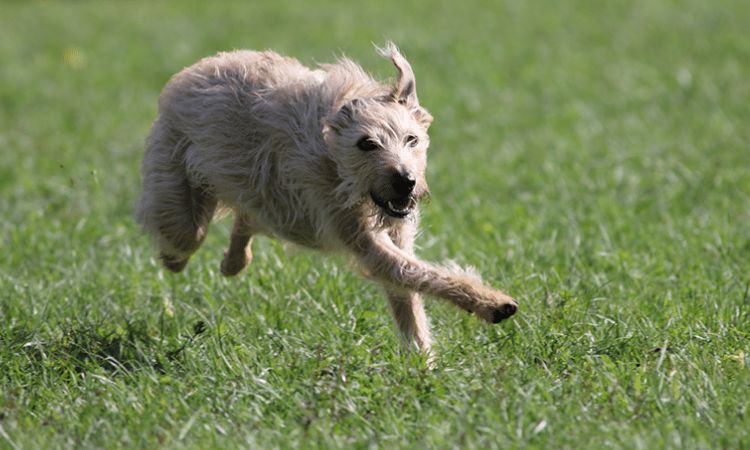
Fast dogs are incredible companions—athletic, energetic, and full of life—but their speed comes with unique safety considerations. A dog capable of hitting 35–40 mph, like a Lurcher or Greyhound mix, can turn a simple play session into a high-risk situation if precautions aren’t taken. Here’s how to keep your high-speed companion safe and happy.
Recall is Non-Negotiable
When your dog can accelerate to lightning-fast speeds, reliable recall training isn’t just a nice-to-have—it’s a lifesaver. Without a firm “stop” or “come” command, your dog can easily bolt into traffic, chase wildlife, or collide with obstacles. High-drive breeds, such as sighthound crosses, require consistent recall practice in both controlled and semi-controlled environments. Tools like long training leads or GPS trackers can provide extra peace of mind while building confidence in off-leash situations.
The “Zoomies” in Enclosed Spaces
Even the most obedient dog can suddenly erupt into a burst of uncontrolled energy, often referred to as the “zoomies.” These explosive spurts of speed are perfectly normal but can be dangerous in unenclosed spaces. Fenced yards, securely gated areas, or dog parks with appropriate barriers are essential for giving your dog room to run safely. Without these safeguards, fast dogs risk running off, encountering hazards, or injuring themselves during sharp turns.
Impact Injuries
Fast dogs are built for sprinting, but their lean bodies and delicate skin make them vulnerable to impact injuries. High-speed turns, sudden stops, and rough terrain can cause cuts, abrasions, or sprains. Avoid hard, uneven surfaces during intense activity, check for hot pavement before walks (use the 7-second rule), and consider paw wax or booties for protection. Keeping nails trimmed and monitoring for signs of soreness or limping can prevent minor injuries from becoming serious.
Frequently Asked Questions (FAQs)
Can a Lurcher beat a Greyhound in a race?
While Greyhounds are widely recognized as the fastest dog breed, capable of reaching top speeds of up to 45 mph, Lurchers can sometimes outperform them under certain conditions. The key lies in the type of race. On long-distance courses, races with multiple turns, or challenging terrain, a Lurcher’s hybrid build—combining speed with agility and endurance from its working dog ancestry—can give it the edge. So, while Greyhounds dominate straight sprints, a well-trained Lurcher may shine in a course that requires both speed and maneuverability.
Are Lurchers faster than Whippets?
Lurchers often surpass Whippets in raw speed, but it largely depends on the cross. A Lurcher with significant Greyhound or Saluki ancestry can reach speeds of 35–40 mph, slightly higher than the typical Whippet top speed of around 35 mph. However, acceleration, size, and endurance play a role too. Smaller Whippets may accelerate faster, while larger Lurchers can maintain speed longer, especially over mixed terrain or in hunting and agility activities.
How much exercise does a Lurcher need?
Despite their reputation as lightning-fast sprinters, Lurchers are not high-energy machines that need nonstop exercise. The “45 mph couch potato” stereotype is surprisingly accurate: these dogs love lounging for most of the day, conserving their energy for short, intense bursts. For most adult Lurchers, 40–60 minutes of daily exercise is sufficient. This can include walks, off-leash running in secure areas, and mentally stimulating activities like scent games or lure coursing. Puppies need shorter, frequent sessions to avoid overexertion, while senior Lurchers benefit from gentle strolls to maintain mobility without strain.