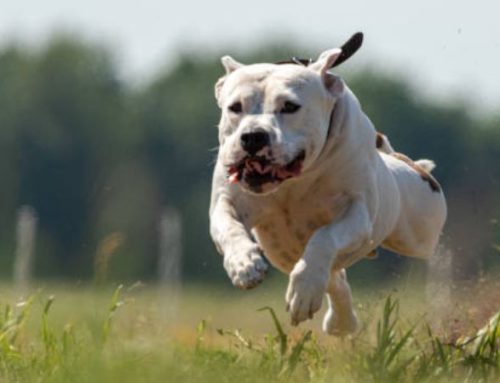

Pit Bulls may be known for their powerful build and fearless personality, but there’s another trait people often overlook—their incredible speed. These athletic dogs, originally bred from bull-and-terrier lines, are built for explosive bursts of energy and impressive agility.
So just how fast can a Pit Bull really run? In this guide, we’re diving into the real numbers, the science behind their speed, and what makes this breed such an exceptional natural athlete.
Average Speed of a Pitbull
Most healthy Pit Bulls can reach an average running speed of 25–30 mph (40–48 km/h), with exceptionally athletic individuals occasionally pushing slightly higher. This puts them in the “fast but not elite” category among canine runners. While many people are surprised by how quickly a muscular Pit Bull can accelerate, their speed is best described as explosive rather than sustained.
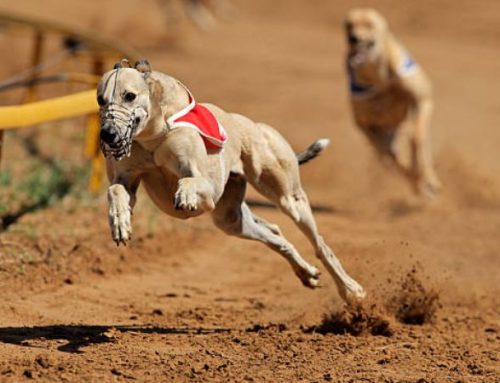
When compared to other breeds known for high velocity, Pit Bulls fall into a solid mid-range. Greyhounds, the fastest dog breed in the world, can clock astonishing speeds of 40–45 mph (64–72 km/h) thanks to their long legs, aerodynamic bodies, and flexible spines built specifically for sprinting. Labrador Retrievers typically top out around 20–25 mph (32–40 km/h), making Pit Bulls noticeably faster in short bursts. Meanwhile, German Shepherds, often used in police and protection work, usually reach 30 mph (48 km/h) at full sprint, placing them roughly on par with high-performing Pit Bulls.
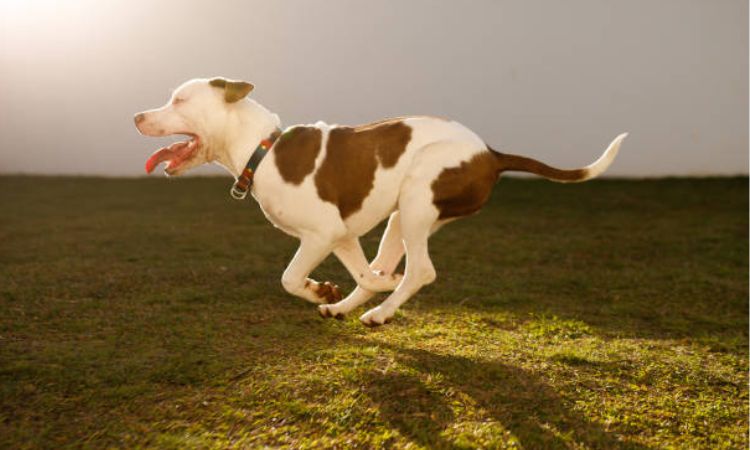
It’s important to clarify that Pit Bulls were never bred as specialized sprinters. Their physical design emphasizes power, muscle density, and endurance rather than top-end speed. Broad chests, strong shoulders, and a compact frame give them incredible acceleration and stamina for activities like weight pulling, agility, and working tasks—but these same traits limit the maximum speed they can maintain over distance. In short: Pit Bulls are powerful, athletic all-rounders, not built-for-speed racing dogs.
Dog owners might be interested: How fast can a bulldog run
Factors Affecting a Pitbull’s Running Speed
Pitbulls are renowned for their muscular build, agility, and burst speed, but several factors can significantly influence how fast they can run. Understanding these elements helps owners maximize performance, avoid injury, and tailor training for their dog’s unique capabilities. Below, we break down the most important factors in detail.
1. Age: Puppies vs. Adults vs. Seniors
A Pitbull’s age is one of the most important determinants of speed and stamina.
- Puppies (0–12 months): Young dogs are full of energy but lack fully developed muscles and coordination. Their bursts of speed are often impressive but inconsistent, and overexertion can harm growing joints and bones.
- Adults (1–6 years): This is typically the prime running age for most Pitbulls. Fully developed muscles, endurance, and coordination allow them to reach their top speed while maintaining stability and control.
- Seniors (6+ years): Older Pitbulls may experience reduced speed due to natural muscle loss, joint stiffness, and lower cardiovascular efficiency. Regular but low-impact exercise can help maintain agility and prevent rapid decline.
2. Breed Type
Not all Pitbulls are identical. The term “Pitbull” can encompass several breeds, each with subtle differences affecting running performance.
- American Pit Bull Terrier (APBT): Generally muscular and long-legged, APBTs combine strength with explosive speed, making them capable sprinters over short distances.
- American Staffordshire Terrier (AmStaff): Slightly stockier than APBTs, AmStaffs may have more endurance for mid-distance running but slightly slower top speeds.
- Staffordshire Bull Terrier (UK): Compact and muscular, these dogs excel in agility and quick bursts but may not cover long distances as efficiently due to shorter legs and denser builds.
Breed-specific anatomy, including limb length, chest size, and muscle distribution, plays a key role in determining peak running ability.
3. Body Structure
The physical makeup of a Pitbull directly impacts how efficiently they move.
- Muscle Mass: Strong, lean muscles allow explosive acceleration and higher overall speed. Too much bulk, however, can slow the dog down and put strain on joints.
- Chest Width: A broader chest provides increased lung capacity, enhancing oxygen intake during sprints and endurance runs.
- Leg Length: Longer legs allow greater stride length, contributing to faster running speeds, while shorter legs may favor agility over outright sprinting.
- Proportions: The balance between upper body strength and lower body power affects stability and stride efficiency. A well-proportioned Pitbull typically achieves both speed and endurance.

4. Health Status
Health is arguably the most critical factor for safe and effective speed.
- Weight: Overweight dogs expend more energy to move, which reduces top speed and increases injury risk.
- Joint Health: Knee, hip, and ankle health are essential. Conditions like hip dysplasia or partial ACL injuries can limit running ability and cause pain during high-impact activity.
- Cardiovascular Fitness: A dog with a strong heart and lungs can sustain higher speeds for longer periods, while a dog with poor conditioning may fatigue quickly and risk overheating.
- Overall Wellness: Nutrition, hydration, and absence of chronic illnesses contribute to peak performance. A well-cared-for Pitbull is naturally faster and more resilient.
5. Training Level
A dog’s running ability is not only innate but also cultivated.
- Conditioned Dogs: Regular exercise, sprint drills, and agility training improve both speed and endurance. These dogs have stronger muscles, better cardiovascular efficiency, and enhanced coordination.
- Untrained Dogs: Without consistent activity, a Pitbull may exhibit bursts of energy but will quickly fatigue, run inefficiently, and have a higher risk of injury.
- Exercise Specificity: Training that mimics sprinting—short bursts at high intensity—helps maximize speed, whereas long, steady walks build endurance but less explosive power.
6. Surface and Weather
The environment can subtly or drastically affect a Pitbull’s running performance.
- Surface Type: Grass and soft soil provide cushioning for joints, reducing injury risk, but may slightly reduce top speed due to friction. Pavement allows faster runs but increases stress on paws and joints. Sand or loose gravel can slow a dog and tire muscles faster.
- Temperature: Pitbulls are prone to overheating because of their dense muscles. Hot weather can quickly reduce speed and increase exhaustion risk. Conversely, cold weather may stiffen muscles and joints if the dog is not properly warmed up.
- Traction & Obstacles: Uneven terrain or slippery surfaces can limit acceleration and cause injuries, while smooth, clear paths promote optimal running speed.
How to Improve Your Pitbull’s Speed and Agility
1. Exercise Routines: Sprint Play, Fetch, and Obstacle Runs
Structured physical activity is key to improving both speed and agility. Short, intense bursts of exercise mimic the natural sprinting style of Pitbulls and help build fast-twitch muscle fibers.
- Sprint Play: Encourage your Pitbull to run short distances at maximum effort. Use a safe, open area like a fenced yard or dog park. Sprint intervals—30 to 60 seconds of full speed followed by a rest—are excellent for developing explosive power.
- Fetch: A classic game of fetch combines sprinting, quick turns, and sudden stops, which trains both speed and agility. Vary the distance and direction of throws to challenge your dog’s coordination and reaction time.
- Obstacle Runs: Setting up a backyard agility course with jumps, tunnels, and weave poles can enhance balance, flexibility, and quick directional changes. Agility drills simulate real-life athletic movements, boosting both speed and mental focus.
Consistency is critical; 20–30 minutes of targeted training several times a week is usually sufficient for most adult Pitbulls. Avoid overtraining, as excessive high-impact activity can strain joints and muscles.
2. Nutrition: Protein, Hydration, and Muscle Support
Fueling your Pitbull’s body properly is essential for peak performance. Nutrition directly impacts energy levels, recovery, and muscle development.
- Protein: Lean proteins like chicken, turkey, and fish support muscle growth and repair. Adult Pitbulls engaging in sprint or agility training may benefit from slightly higher protein intake to sustain their activity.
- Hydration: Active dogs need constant access to clean water, especially after sprint sessions. Dehydration reduces stamina, slows recovery, and increases the risk of heat stress.
- Supplements and Muscle Support: Joint and muscle-supporting supplements containing glucosamine, chondroitin, and omega-3 fatty acids can help maintain joint health and reduce inflammation, allowing your dog to perform at their best. High-quality dog food with balanced macronutrients is often enough, but supplements may be recommended for highly active or competitive Pitbulls.
A well-balanced diet not only supports speed and agility but also promotes overall health and longevity.
3. Warm-Ups and Cooldowns: Prevent Injuries and Improve Performance
Like human athletes, Pitbulls benefit from gradual warm-ups and cooldowns to prevent injury and enhance performance.
- Warm-Ups: Begin with light jogging or brisk walking for 5–10 minutes before sprint training. Gentle stretching of the legs, hips, and shoulders can improve blood flow and flexibility. This reduces the likelihood of strains or sprains during high-speed activity.
- Cooldowns: After exercise, slow the pace with a 5–10 minute walk. Follow up with gentle stretching or massage to relax muscles and encourage recovery. Proper cooldowns also help prevent delayed-onset muscle soreness and joint stress.
Integrating warm-ups and cooldowns into every training session ensures your Pitbull remains healthy and ready for consistent performance improvement.
4. Health Monitoring: Regular Vet Checkups and Joint Maintenance
Maintaining your Pitbull’s overall health is essential to sustaining high speed and agility over time.
- Vet Checkups: Regular veterinary exams allow early detection of joint issues, muscle injuries, or cardiovascular concerns. Pitbulls are prone to ACL injuries and hip dysplasia, which can limit speed if left untreated.
- Joint and Muscle Care: Monitor for signs of stiffness, limping, or unusual fatigue. Administering veterinary-approved joint supplements or anti-inflammatory medications during flare-ups can protect long-term mobility.
- Condition Monitoring: Keep track of your dog’s weight, muscle tone, and energy levels. Maintaining a lean, muscular build enhances both acceleration and endurance.
By prioritizing health monitoring, you ensure that your Pitbull can train safely, improve performance, and enjoy a longer, active life.
Safety Tips for Running with Your Pitbull
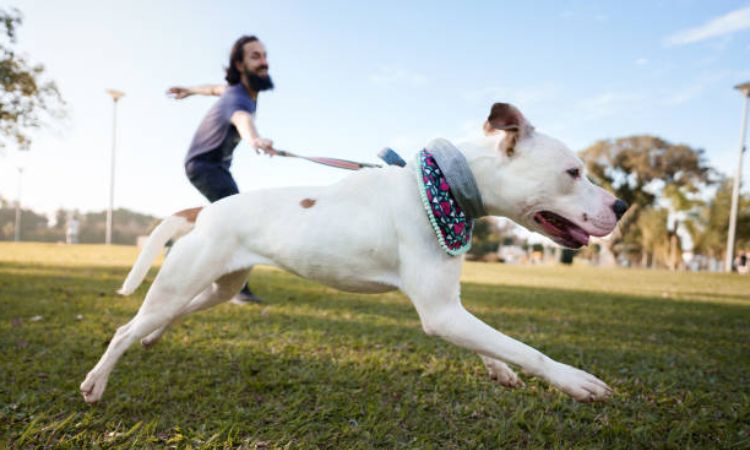
Running with your Pitbull can be a rewarding way to keep both you and your dog healthy, but safety should always come first. Avoid overexertion and overheating by starting with shorter, moderate-intensity runs and gradually increasing distance and speed. Pitbulls are strong and energetic, but pushing them too hard—especially in hot or humid conditions—can lead to heat exhaustion or muscle strain. Early morning or late evening runs are ideal to minimize exposure to high temperatures, and always pay attention to signs of distress like heavy panting, lagging behind, or reluctance to continue.
Choosing proper running surfaces is equally important. Avoid hot asphalt, concrete, or terrain with sharp rocks that can burn or cut your dog’s paw pads. Softer surfaces like grass, dirt trails, or shaded park paths not only provide better traction but also reduce impact on joints, helping your Pitbull maintain speed and agility safely. On uneven trails, remain vigilant for sticks, holes, or other obstacles that could cause slips or injuries.
Being able to recognize fatigue or dehydration signs is crucial. Look for excessive panting, drooling, slowed movement, stumbling, or refusal to continue, which can indicate your dog is overworked or dehydrated. Carry fresh water in a collapsible bowl or dog-friendly bottle, offering small, frequent sips rather than large amounts at once, and take regular breaks to allow your Pitbull to recover.
Finally, protective gear can greatly enhance safety and comfort. A well-fitted harness distributes pressure evenly across the chest and shoulders, reducing neck and spine strain, while booties protect paws from hot, cold, or abrasive surfaces. Reflective collars or vests improve visibility during early morning or evening runs, ensuring your dog is safe around traffic or other runners. Combining these precautions will help your Pitbull enjoy running safely while minimizing the risk of injury or heat-related issues.