
Powerful, confident, and built like an athlete, the Rottweiler is far more than just an imposing guardian. Behind that solid frame and calm demeanor lies a surprisingly capable runner with strength-driven speed and impressive stamina. Originally bred to move livestock and protect territory over long distances, Rottweilers were designed for work, not idleness.
So just how fast can a Rottweiler run and how does their endurance compare to other large breeds? This guide breaks down what owners need to know about a Rottweiler’s top speed, running ability, and what that means for exercise, training, and everyday life.
Rottweiler Top Speed at a Glance
Average Top Speed (Short Sprints)
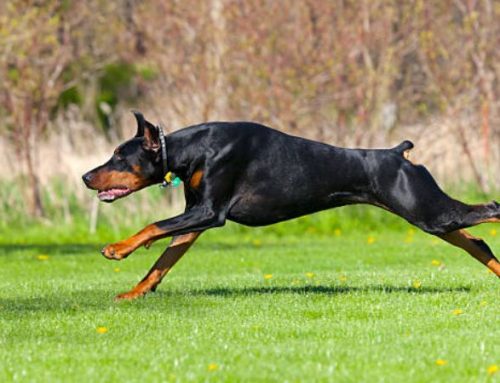
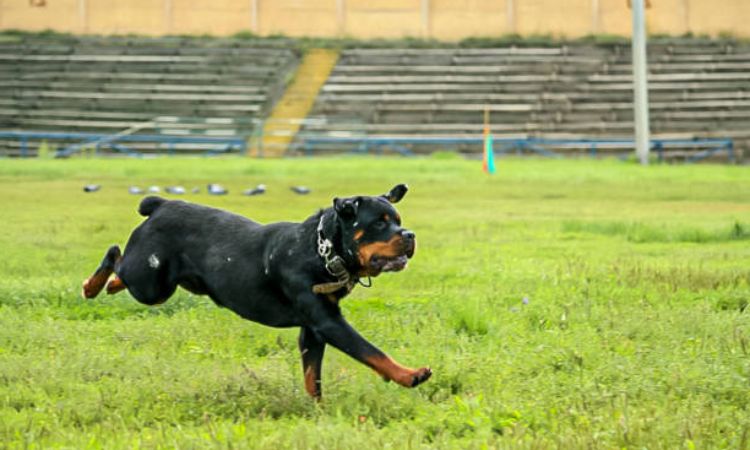
A healthy adult Rottweiler can reach a top sprinting speed of approximately 20–25 miles per hour (32–40 km/h). This speed is typically seen during short, high-intensity bursts such as chasing a ball, playing off-leash, or reacting to sudden movement. It’s important to note that this figure represents a maximum sprint speed on flat, safe terrain under ideal conditions. It is not a pace a Rottweiler can maintain continuously or over long distances. Their powerful, muscular build allows for impressive acceleration, but it is optimized for strength and control rather than sustained high-speed running.
How Long Can a Rottweiler Maintain Top Speed?
Rottweilers can only maintain their maximum speed for very short distances, usually lasting just a few seconds. These full-speed efforts are most commonly seen during quick bursts of play or brief chases rather than structured running sessions. Because of their stocky frame and high muscle mass, Rottweilers expend energy rapidly when sprinting. As a result, they fatigue more quickly at top speed compared to lighter, more aerodynamic breeds like Greyhounds or Whippets. After a sprint, most Rottweilers naturally slow down to a steady trot or jog to recover, which aligns with how the breed was historically designed to work—moving steadily rather than sprinting continuously.
Rottweiler Speed vs Other Dogs and Humans
When compared to humans and other breeds, the Rottweiler falls into a mid-range speed category. While they are not among the fastest dog breeds, they are still significantly faster than most people over short distances. For reference, an average human can sprint at around 15–20 mph (24–32 km/h), while a fit or trained runner may briefly approach 20–25 mph (32–40 km/h), similar to a Rottweiler’s top speed.
In contrast, elite canine sprinters like the Greyhound can reach 40–45 mph (64–72 km/h), and athletic working breeds such as the German Shepherd typically top out around 30 mph (48 km/h). This comparison highlights that although Rottweilers don’t dominate speed rankings, their short-burst speed is more than enough to outpace humans and make them capable, powerful runners in real-world situations.
Rottweiler Endurance: How Far Can They Run?
Jogging Speed vs Sprinting Speed
Rottweilers are best described as steady movers rather than speed specialists. For most healthy adult Rottweilers, a comfortable, sustainable jogging pace falls in the range of 7–10 miles per hour (11–16 km/h). At this speed, many Rottweilers can run alongside their owners without becoming quickly exhausted, especially if they’ve been gradually conditioned for regular exercise.
It’s important to distinguish between different types of movement. Casual jogging or brisk trotting is the pace a Rottweiler can maintain for an extended period while breathing steadily and moving efficiently. Brisk trotting often sits at the lower end of that range and is commonly seen during long walks or working tasks. In contrast, an all-out sprint—where a Rottweiler may briefly reach 20–25 mph (32–40 km/h)—is explosive and short-lived. Sprinting places heavy demands on their muscles and joints and is not something they can sustain for more than a few seconds at a time.
Typical Duration and Distance for Runs
When it comes to endurance, most adult Rottweilers can handle moderate-length jogs lasting 20 to 40 minutes at a steady pace, provided they are healthy and properly conditioned. This often translates to 2–4 miles (3–6.5 km) at a comfortable jog. Well-conditioned individuals, especially those accustomed to regular exercise, may be able to go slightly farther, while less active or older dogs will tire more quickly.
Very long-distance running—such as extended, uninterrupted runs beyond several miles—is generally not ideal for the breed. Rottweilers tend to fatigue sooner than lighter, more endurance-focused dogs, particularly in warm weather. Factors such as body structure, age, joint health, fitness level, and gradual conditioning dramatically affect what is considered “normal” for any individual Rottweiler. A dog raised with consistent, structured exercise will always outperform one that is largely sedentary, regardless of breed.
Why Rottweilers Are Built More for Power Than Distance
Rottweilers are physically designed for strength, control, and short bursts of effort, not marathon-style endurance. Their muscular, stocky build, combined with a heavier body weight and broad chest, gives them tremendous pulling and holding power but increases the energy cost of long-distance running. Unlike lean, aerodynamic breeds, Rottweilers generate more force per stride rather than covering ground efficiently over long distances.
This anatomy explains why Rottweilers historically excelled at tasks such as pulling carts, driving livestock, guarding property, and performing intense but brief physical work. These jobs required power, confidence, and stamina at moderate speeds rather than prolonged high-speed travel. While they are certainly capable of covering distance at a steady pace, their true strength lies in controlled endurance paired with raw power, making them reliable working dogs rather than long-distance runners.
Factors That Affect How Fast Your Rottweiler Can Run
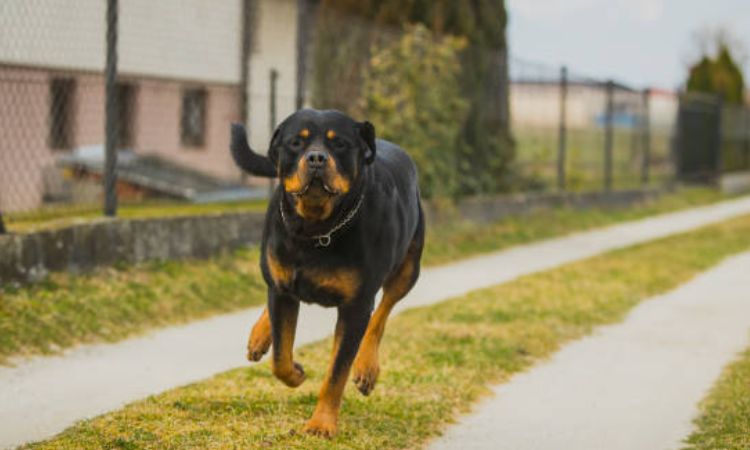
A Rottweiler’s running speed isn’t determined by genetics alone. Age, physical condition, health status, and environmental factors all play major roles in how fast—and how safely—your dog can move. Understanding these variables helps owners set realistic expectations and avoid pushing their Rottweiler beyond healthy limits.
Age and Development
- Puppies
Young Rottweilers should not be encouraged to run at high speeds or over long distances. Their bones are still growing, and the growth plates in their joints remain open until roughly 18–24 months of age. High-impact activities like sprinting or repetitive running can damage developing joints and increase the risk of long-term orthopedic problems. During this stage, exercise should focus on free play, short walks, and low-impact movement rather than structured running.
- Adults vs. Seniors
Adult Rottweilers, typically between 2 and 6 years old, are at their physical peak. During this period, they have the greatest combination of strength, speed, and stamina. Most healthy adults can handle short sprints and moderate jogging when properly conditioned.
As Rottweilers enter their senior years, speed and endurance naturally decline. Muscle mass decreases, joints become less flexible, and recovery time increases. Older dogs may still enjoy light jogging or brisk walks, but their top speed and ability to sustain running will be noticeably reduced. Exercise should be adjusted to prioritize comfort and joint health rather than performance.
Weight, Body Condition, and Muscle
Body condition has a direct and significant impact on how fast a Rottweiler can run. Excess weight acts like a constant load, slowing movement and placing extra stress on joints, tendons, and ligaments. Overweight Rottweilers are more likely to tire quickly and face a higher risk of injury during running.
In contrast, a Rottweiler with lean muscle mass and good overall conditioning moves more efficiently and comfortably. Strong muscles help stabilize joints and improve power output, allowing for better speed and endurance. Gradual fitness training—such as slowly increasing jogging distance and incorporating varied terrain—builds muscle safely without overloading the body.
Consistency matters more than intensity. Regular, moderate exercise produces better results than occasional high-effort runs.
Health Issues Common in Rottweilers
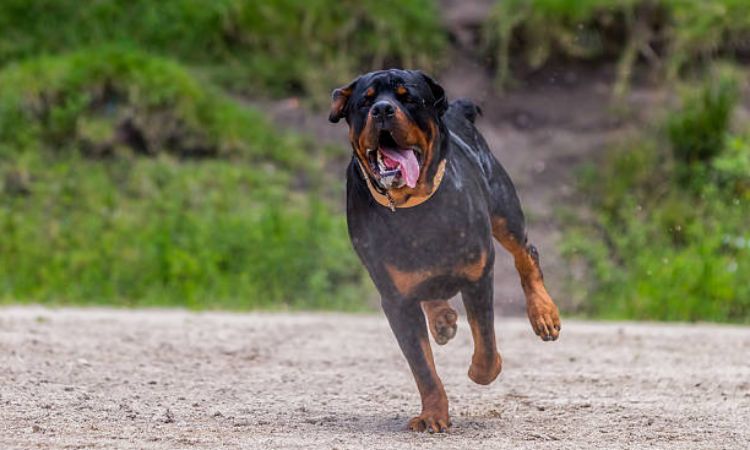
Rottweilers are predisposed to several orthopedic conditions that can limit speed or make running unsafe. Hip dysplasia and elbow dysplasia are among the most common concerns and may cause pain, stiffness, or abnormal gait—especially during or after exercise.
Other issues, such as arthritis or previous soft-tissue injuries, can also reduce a dog’s willingness or ability to run at higher speeds. Any signs of limping, stiffness after rest, reluctance to move, or uneven stride should be taken seriously.
Before beginning a structured running routine—particularly one involving jogging or sprinting—owners should consult a veterinarian. A vet can assess joint health, body condition, and overall fitness, helping ensure that running is safe and appropriate for the individual dog.
Weather, Surface, and Terrain
- Heat and Temperature: Rottweilers are especially vulnerable to overheating due to their muscular build and dark coats. High temperatures and humidity can drastically reduce running performance and increase the risk of heat exhaustion. Short runs during cooler parts of the day—early morning or evening—are far safer than midday workouts.
- Surface and Terrain: Running surface plays a crucial role in both speed and injury risk. Soft ground, such as grass or dirt trails, provides better shock absorption and is gentler on joints. Hard surfaces like concrete and asphalt increase impact stress and can accelerate joint wear over time.
Uneven, slippery, or rocky terrain may also limit speed and raise the likelihood of sprains or paw injuries. Choosing stable, forgiving surfaces allows Rottweilers to move more confidently while reducing strain on their bodies.
How to Safely Train Your Rottweiler to Run
When to Start Running with a Rottweiler
One of the most important rules for running with a Rottweiler is not starting too early.
Because Rottweilers are a large, slow-maturing breed, their bones, joints, and growth plates take longer to fully develop. Structured running—especially on hard surfaces—should generally wait until physical growth is largely complete, which for most Rottweilers is around 18 to 24 months of age.
Before that point:
- Puppies should stick to free play, short walks, and light exploration
- Forced running, long jogs, or repetitive impact can increase the risk of joint damage
- Growth plate injuries may not show immediate symptoms but can cause long-term issues
Even once your Rottweiler reaches adulthood, it’s smart to consult your veterinarian before starting a regular running routine. A quick check can help identify:
- Early joint or hip concerns
- Weight issues that could increase strain
- Any stiffness, imbalance, or gait irregularities
This step is especially important if your dog has a history of limping, soreness after exercise, or known orthopedic conditions.
Building Endurance Gradually
Rottweilers may look strong enough to run far right away, but endurance is built—not assumed. Their cardiovascular system, muscles, tendons, and joints all need time to adapt to running.
A slow, progressive approach reduces injury risk and creates better long-term fitness.
A simple, effective progression looks like this:
- Start with consistent walking
Begin with brisk walks that last 20–30 minutes. This builds baseline fitness and strengthens connective tissue without excessive impact. - Add short jogging intervals
Once your Rottweiler is comfortable with regular walks, introduce brief jogs—such as 30 to 60 seconds at a time—mixed into your walk. - Gradually increase duration, not speed
Each week, add a small amount of jogging time or distance. Avoid sudden jumps in intensity. - Limit frequency
Two to three running sessions per week is usually plenty for a Rottweiler. Daily running is rarely necessary and often counterproductive. - Schedule rest days
Muscles strengthen during recovery, not during exertion. Rest days help prevent overuse injuries and mental burnout.
Throughout the process, pay close attention to how your dog behaves:
- Reluctance to start running
- Slowing down more than usual
- Stiffness later in the day or the next morning
These are signs to scale back, not push through.
Warm-Up, Cool-Down, and Recovery
Just like human athletes, Rottweilers benefit enormously from proper preparation and recovery. Skipping these steps increases the risk of muscle strain and joint stress—especially in a heavy, muscular breed.
Warm-Up (5–10 minutes)
Start every run with:
- Easy walking
- Light trotting at a relaxed pace
This gradually raises heart rate, increases blood flow to muscles, and improves joint mobility before higher effort begins.
During the Run
Keep the pace steady and controlled. Rottweilers do best at moderate speeds where they can maintain good form rather than pushing toward top speed.
Cool-Down
End each session with:
- Slower walking for several minutes
- A chance to drink water and lower body temperature naturally
Avoid stopping abruptly after intense effort, as this can lead to stiffness and discomfort.
Post-Run Recovery
After the run:
- Allow your Rottweiler time to rest in a comfortable, shaded area
- Watch for any limping, stiffness, or soreness later in the day
- Ensure proper hydration, especially in warmer weather
Consistent recovery habits help your Rottweiler stay comfortable, enthusiastic, and injury-free over time.
Frequently Asked Questions About Rottweiler Speed and Running
Can a Rottweiler Run Faster Than a Human?
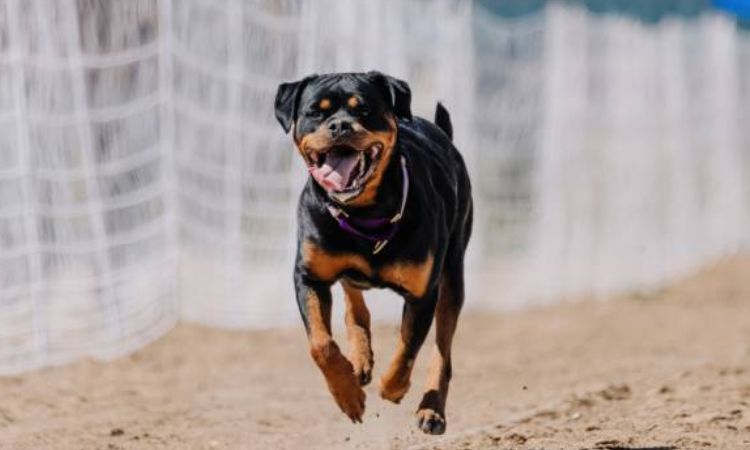
Yes, Rottweilers can run faster than the average human. A healthy adult Rottweiler can reach sprinting speeds of 20–25 mph, while the average person runs around 15 mph at top sprint. Even competitive human sprinters rarely exceed 20–25 mph, meaning a Rottweiler can easily outpace most people in short bursts. That said, unlike human sprinters, Rottweilers are built for power rather than sustained speed, so they excel in quick bursts rather than maintaining top speed for long distances.
Are Rottweilers Good Long‑Distance Running Dogs?
Rottweilers are not typically long-distance runners. Their stocky, muscular build, broad chest, and heavier body make them more suited for short, strong bursts of exercise rather than marathon-style endurance. However, a well-conditioned adult Rottweiler can handle moderate running distances—roughly 2–4 miles at a comfortable pace, depending on fitness, age, and body condition. Anything beyond that may risk overexertion, joint stress, or overheating, so it’s important to build endurance gradually and monitor your dog closely during longer runs.
Is It Safe to Let My Rottweiler Run Off‑Leash?
Off-leash running can be enjoyable, but there are important safety considerations. Rottweilers often have a high prey drive, strong protective instincts, and can be easily distracted by moving objects or unfamiliar animals. Recall reliability is crucial—without it, they may chase wildlife, vehicles, or strangers. If off-leash running is allowed, it should only be in secure, enclosed areas such as fenced yards or dog-safe fields, and owners should never assume full control in open, public spaces. Legal regulations and leash laws also vary by area, so always ensure you’re compliant.
What If My Rottweiler Doesn’t Like Running?
Not every Rottweiler enjoys running, and personality plays a large role. Many may prefer brisk walks, interactive games, tug-of-war, or swimming over structured running. Forcing a dog to run when they dislike it can create stress or resentment and increase the risk of injury. The key is to match exercise to your dog’s temperament, physical health, and energy level, ensuring they remain active, engaged, and happy without pushing them beyond their comfort zone.