
Stocky, powerful, and bursting with determination, the Staffordshire Bull Terrier may not look like a born sprinter at first glance—but looks can be deceiving. Behind that muscular frame is a dog built for explosive speed, stamina, and athletic drive. Long before Staffies earned their reputation as loyal family companions, they were bred for strength and agility, traits that still influence how fast and how far they can run today.
So just how quick is a Staffy, and what does safe, vet-approved running really look like for this breed? Understanding their physical limits is the key to keeping them fit, healthy, and injury-free.
The Staffy’s Maximum Speed and Build
1. Top Running Speed (The Short Answer)
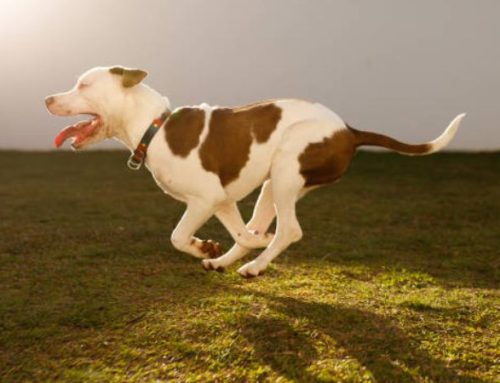
A well-conditioned adult Staffordshire Bull Terrier can reach a maximum estimated speed of up to 25 miles per hour (around 40 km/h) over short distances. This may not sound extreme when compared to elite canine athletes, but it is still impressively fast for a medium-sized, muscular companion dog.
To put this into perspective, Greyhounds—specifically bred for racing—can reach speeds of 40 to 45 mph, making them the undisputed sprinters of the dog world. Whippets also routinely exceed 30 mph. Staffies are not built to compete with these long-legged sighthounds, yet they are noticeably faster than many common family breeds and far quicker than the average human runner. Their speed is best described as explosive rather than sustained, showing up most clearly during short bursts of activity.
2. Physical Attributes for Speed
Muscular Build
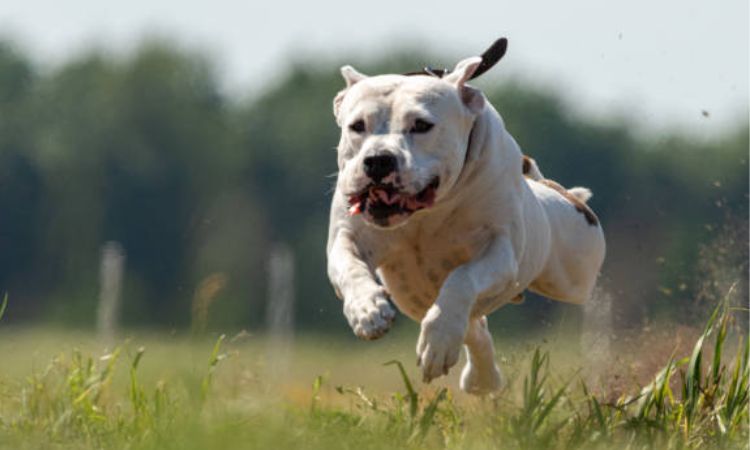
The Staffordshire Bull Terrier’s speed is driven by its dense, powerful musculature. Staffies have broad shoulders, a deep chest, and exceptionally strong hind legs, all of which contribute to rapid acceleration. This muscular frame allows them to launch forward quickly and generate significant power in just a few strides. Instead of relying on long, sweeping strides, Staffies rely on raw strength and muscle engagement to move fast.
This build also gives them excellent agility and control, helping them change direction quickly without losing balance—an advantage during play, training, or short sprints.
Compact Structure
Staffies are compact dogs with relatively short legs and a low center of gravity. While this structure provides stability and strength, it limits stride length and overall running efficiency. As a result, they are naturally better suited to short, brisk sprints rather than extended, steady-paced runs. Long-distance running demands a lighter frame and longer limbs to conserve energy, which is why breeds designed for endurance tend to look very different from Staffies.
3. The Sprint vs. Endurance Trade-Off
This combination of muscle mass and compact size creates a clear trade-off: speed and power over endurance. Staffordshire Bull Terriers can run fast, but they generally do not maintain that speed for long periods. Compared to endurance-focused breeds such as Siberian Huskies, which are built to travel long distances, or Labrador Retrievers, which can jog steadily for extended periods, Staffies have moderate stamina.
In real-world terms, a Staffy thrives on activities that involve short bursts of high intensity followed by rest, rather than long-distance running sessions. Their athleticism is undeniable, but it is optimized for power, agility, and quick acceleration—not marathon-style endurance.
Vet-Backed Guidelines: When to Start Running
1. The Crucial Waiting Period
One of the most important—and most overlooked—rules when it comes to running with a Staffordshire Bull Terrier is knowing when not to start. While Staffies are energetic, muscular, and eager to keep up with their owners, their bodies need time to fully develop before they’re exposed to repetitive, high-impact exercise like structured running.
Puppy Age Restriction
Staffy puppies and adolescents should not be taken on regular runs, jogs, or bike-side exercise. During the first year of life, their growth plates (areas of developing cartilage at the ends of long bones) are still open and vulnerable. Repetitive pounding on hard surfaces can interfere with proper bone formation and significantly increase the risk of long-term joint problems, including hip dysplasia, elbow issues, and early-onset arthritis.
Veterinary Consensus
Most veterinarians agree that structured running should wait until a Staffy is fully grown, which is typically between 12 and 18 months of age. Smaller or lighter-built individuals may be ready closer to the 12-month mark, while more heavily muscled Staffies often benefit from waiting closer to 15–18 months. This timeframe allows bones to harden, joints to stabilize, and supporting muscles and tendons to strengthen enough to handle sustained impact safely.
Until then, exercise should focus on free play, short walks, controlled training sessions, and low-impact activities that let puppies move at their own pace. These forms of movement support healthy development without overloading immature joints.
2. Pre-Running Vet Consultation (An Essential First Step)
Even once your Staffy reaches the appropriate age, starting a running routine should never be a guesswork decision. A pre-running veterinary check-up is a critical safety step, especially for a powerful, compact breed like the Staffordshire Bull Terrier.
Medical Clearance
Before beginning any running or endurance-based program, your vet will typically perform a full physical exam to ensure your dog is fit for the task. This often includes checking for early signs of hip or elbow dysplasia, evaluating patellar stability, listening to heart and lung function, and assessing overall muscle tone and body condition. Because Staffies have broad chests and strong necks, vets may also consider breathing efficiency and heat tolerance—both important factors when exercising at speed.
Identifying even mild issues early can help prevent minor concerns from becoming painful, expensive problems later on. In some cases, your vet may recommend weight management, joint supplements, or physiotherapy before you ever lace up your running shoes.
Individual Variation Matters:
Not all Staffies are built—or conditioned—the same. A vet can evaluate your dog’s individual fitness level, taking into account age, weight, muscle balance, previous injuries, and daily activity habits. This personalized assessment helps determine not just whether your Staffy should run, but how often, how far, and at what intensity they can do so safely.
Following vet-backed guidelines ensures that when your Staffy does start running, it’s a positive experience that builds strength, confidence, and cardiovascular fitness—without putting unnecessary strain on their joints or long-term health.
Safe Running Distances for Adult Staffordshire Bull Terriers
Staffordshire Bull Terriers, with their stocky and muscular build, are energetic dogs that can enjoy running—but like any breed, they have limits. Understanding safe distances and pacing is crucial for keeping your Staffie healthy, happy, and injury-free.
1. The Recommended Baseline
For most adult Staffies, short to moderate runs are ideal. Their powerful, compact frames are excellent for bursts of speed but are not built for long-distance endurance like Huskies or Labradors.
A safe baseline for a regular, healthy adult Staffy is roughly 1–3 miles (1.6–5 km) per run, depending on their age, fitness level, and prior exercise experience. This distance allows them to get a good cardiovascular workout without overloading their joints, which are prone to issues like hip dysplasia or patellar luxation if stressed too much.
2. Building Up Endurance: The 5K and Half-Marathon Question
Many Staffie owners wonder if their dogs can handle longer runs or even competitive distances. Here’s a practical breakdown:
- 5K Runs:
Yes, a well-conditioned Staffy can complete a 5K (3.1 miles) with proper preparation. Start by gradually increasing distance, perhaps adding 0.25–0.5 miles per week after a solid base of short runs. Always monitor for fatigue and adjust the pace.
- Half Marathons (13.1 miles):
While theoretically possible for exceptionally fit, individual dogs, running half-marathon distances is not recommended as a regular activity for the breed. Staffies’ compact, muscular bodies excel at sprinting and moderate-distance runs but are not optimized for prolonged endurance. Attempting excessive distances could lead to joint strain, muscle injury, or long-term health problems.
The key takeaway: Staffies can be trained for longer runs in moderation, but extreme endurance should not become routine.
3. The “Listen to Your Dog” Rule
Staffies are people-pleasers by nature, which means they will often try to keep up even when tired. Owners must pay close attention to their dog’s body language and intervene when necessary.
Watch for signs of fatigue:
- Excessive panting or drooling
- Lagging behind or slowing down
- Stopping frequently or refusing to move
- Limping or unusual gait
Even during short runs, incorporate breaks and allow your dog to drink water. Remember, a Staffie’s enthusiasm can mask exhaustion, so the owner’s responsibility is to enforce rest and ensure safety.
By observing these cues and respecting your dog’s limits, running can be a fun, safe, and rewarding activity for both you and your Staffie. Gradual training, proper pacing, and attentiveness will allow your dog to enjoy running without risking their health or long-term mobility.
Safe Staffy Running and Training Tips
Running with your Staffordshire Bull Terrier can be a fantastic way to bond, release energy, and keep both of you fit. However, due to their unique physiology and temperament, it’s crucial to approach running and high-intensity exercise with care. Staffies are strong, athletic, and eager to please, but they are also prone to overheating and joint stress if pushed too hard. Below is a comprehensive guide to help you keep your dog safe, happy, and healthy while exercising.
Gradual Training Program
- Start Slow – The Run/Walk Method:
Begin with a combination of walking and short bursts of running. For example, alternate between 2–5 minutes of jogging and 3–5 minutes of walking. This approach allows your Staffy’s muscles, joints, and cardiovascular system to adapt without overexertion.
- Increase Mileage Slowly – The 10% Rule:
A commonly recommended guideline is to increase your dog’s weekly running distance by no more than 10%. This gradual progression helps prevent injuries such as strains, sprains, or joint damage. For instance, if your Staffy comfortably completes 1 mile in the first week, aim for 1.1 miles the following week. Over time, you can build endurance while minimizing the risk of overtraining.
- Monitor Recovery:
Staffies are naturally determined and will often push themselves to keep up, even when tired. Make sure your dog has adequate rest days and observe how quickly they recover after each session.
Environmental and Gear Considerations
Heat Sensitivity – A Critical Concern
Staffies are brachycephalic dogs with shorter snouts, making them more prone to overheating than longer-muzzled breeds.
- Avoid hot and humid conditions: Never run during the peak heat of the day. Temperatures above 75–80°F (24–27°C) can be dangerous.
- Opt for cooler times: Early mornings or late evenings are ideal for outdoor runs.
- Hydration is essential: Always carry fresh water, and consider using a collapsible travel bowl so your dog can drink whenever needed.
Surface Safety – Protect Joints and Paws
Staffies’ muscular builds are resilient, but their joints and paw pads can suffer from constant pounding on hard surfaces.
- Prefer soft surfaces like grass, dirt trails, or packed earth for running.
- Avoid prolonged runs on asphalt, concrete, or tarmac, which can lead to paw pad abrasions or stress on hips and elbows.
Equipment – Comfort and Control:
- Non-restrictive harness: A well-fitted harness distributes pressure evenly across the chest and shoulders, preventing strain on the neck.
- Hands-free leash system: For jogging, a hands-free leash that attaches around your waist allows for a natural running motion and better control.
Alternative High-Energy Exercises
Running isn’t the only way to keep your Staffy physically and mentally stimulated. Incorporating short bursts of high-intensity exercise and interactive games can be just as effective.
Fetch or Frisbee (Sprints):
- Quick sprints to chase a ball or Frisbee give your Staffy the thrill of running while being mentally engaged.
- These games are perfect for explosive energy release without prolonged strain on joints.
Tug-of-War (Strength & Engagement):
- Tug-of-war builds muscle strength and encourages controlled play.
- Ensure that toys used are durable and designed for strong chewers to avoid dental injuries.
Agility or Canicross (Structured Exercise):
- Agility courses provide mental stimulation and low-impact physical exercise. Obstacles, tunnels, and jumps challenge your Staffy’s brain and body simultaneously.
- Canicross (running with your dog attached via a bungee leash) can be a safe alternative to traditional running if both owner and dog are gradually conditioned.
Key Takeaways
- Gradual progression is critical: Start with run/walk intervals and increase mileage slowly.
- Prioritize safety: Consider weather, surfaces, and appropriate gear to prevent injury or overheating.
- Mix physical and mental stimulation: Use games and structured activities to satisfy your Staffy’s high energy and intelligence.
- Listen to your dog: Pay attention to fatigue cues such as lagging behind, excessive panting, or refusal to continue. Your Staffy will push themselves to please, so it’s your responsibility to enforce breaks.
Dog owners might be interested
With careful planning, patience, and attention to your Staffy’s needs, running can be a safe, enjoyable, and rewarding activity for both of you. These dogs thrive when challenged mentally and physically, and a well-structured exercise routine will keep them healthy, happy, and eager to please.