
Have you ever caught your cat in yet another blissful nap and wondered just how much sleep is normal for these mysterious, whiskered creatures? Cats are masters of rest, but the amount they snooze can vary dramatically depending on their age and lifestyle.
From playful kittens to wise seniors, each stage of life brings its own sleep habits and understanding them can help you ensure your feline friend stays happy, healthy, and full of energy. Let’s dive in with Nexus Pets to uncover exactly how many hours a day cats sleep, and what it means at every stage of their lives.
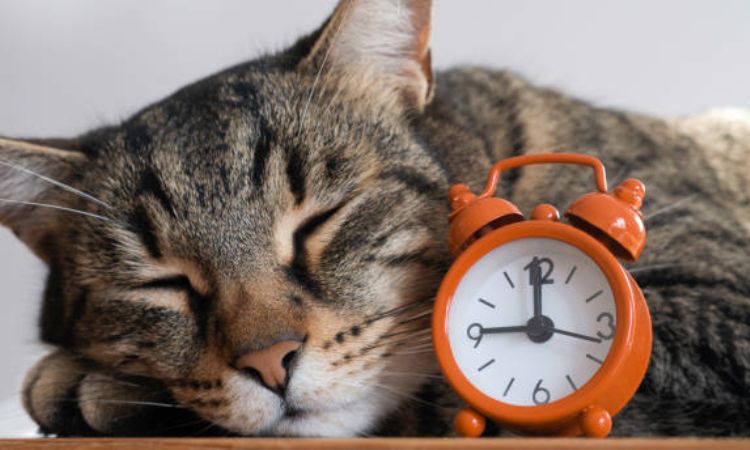
Quick Cat Sleep Chart by Age
Understanding how much sleep your cat needs at different stages of life is essential for monitoring their health and well-being. Cats are natural nappers, and their sleep requirements evolve as they grow. The following table provides a concise summary of average sleep needs by life stage:
| Cat Life Stage | Approx. Hours of Sleep per Day | Notes |
| Newborn kittens (0–2 weeks) | 20–22 hours | Newborns spend almost all their time sleeping, waking only to feed. Sleep is crucial for growth, immune system development, and brain maturation. |
| Young kittens (2–12 weeks) | 18–20 hours | As kittens begin exploring their surroundings, their sleep slightly decreases but still dominates most of the day. Polyphasic naps allow them to balance rest with short bursts of play and learning. |
| Older kittens / adolescents (3–12 months) | 16–18 hours | Sleep patterns start to stabilize, but frequent naps remain necessary to support rapid growth, high energy levels, and social development. |
| Adult cats (1–10 years) | 12–16 hours | Adult cats adopt more regular sleep schedules. Most of their rest occurs during the day, with increased activity at dawn and dusk (crepuscular behavior). |
| Senior cats (10+ years) | 16–18 hours, sometimes up to 20 hours | Aging cats often require more rest due to reduced energy, mobility, and slower metabolism. Excessive sleep can be normal, but sudden changes should be monitored for potential health issues. |
How Much Do Kittens Sleep at Different Stages?
Understanding the sleep needs of kittens at each stage of their early life is crucial for ensuring their healthy growth, proper development, and overall well-being. While it might seem like kittens are “lazy” for sleeping so much, every nap serves an important purpose, from supporting rapid growth to strengthening the immune system.
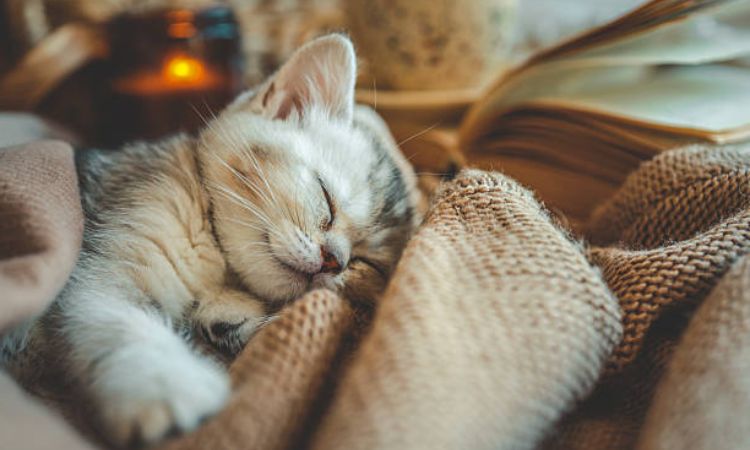
Newborn to 2 Weeks
During the first two weeks of life, newborn kittens are almost entirely devoted to sleep, resting for approximately 20–22 hours per day. Their brief waking moments are primarily spent nursing, as their tiny bodies require constant nourishment to sustain their rapid growth.
This intense sleep schedule is not just a passive state—it is a period of extraordinary development. During these long stretches of rest, newborn kittens’ nervous systems mature, their brains process early sensory information, and vital hormones that drive growth are released. Sleep at this stage is critical for muscle tone, skeletal development, and preparing the kitten for the more active stages of life ahead. Because their eyes are still closed and mobility is limited, kittens rely entirely on sleep to develop the strength and coordination needed to explore the world in later weeks.
Owners should avoid disturbing newborn kittens unnecessarily. Interruptions to these extended sleep cycles can impact development and stress the tiny animals, so creating a quiet, warm, and safe environment is essential for their well-being.
2–12 Weeks Old
As kittens grow and their senses open to the world, sleep gradually decreases to around 18–20 hours per day. By this stage, kittens become increasingly active, exploring their surroundings, interacting with littermates, and learning essential social and survival skills.
Sleep during this period occurs in short, frequent naps, allowing kittens to rest after bursts of intense activity. Their playful explorations, climbing attempts, and pouncing practice expend a lot of energy, making these naps necessary to recharge both physically and mentally.
Although the amount of sleep is slightly reduced compared to the newborn stage, the quality of these naps remains crucial. During rest, kittens’ brains continue to consolidate memory and learning, muscles strengthen, and the immune system is reinforced. For owners, it’s important to provide a safe, comfortable place for these naps and to allow the kittens to sleep uninterrupted, as even brief disturbances can lead to crankiness, fatigue, or slower developmental progress.
3–12 Months (Adolescent Cats)
Once kittens reach adolescence, typically between three months and one year of age, their sleep needs begin to align more closely with those of adult cats. They generally sleep 16–18 hours per day, though sleep patterns may appear more erratic, punctuated by periods of hyperactivity often referred to as “zoomies.” These sudden bursts of energy are completely normal and reflect the kitten’s natural hunting instincts and playful behavior.
At this stage, establishing regular play sessions and structured routines is beneficial for stabilizing their sleep–wake cycle. Providing mental stimulation, such as interactive toys or short training exercises, helps kittens expend energy during the day, making it easier for them to settle into restful sleep at night. Consistent feeding times and designated sleeping areas also reinforce healthy habits, ensuring that adolescent cats receive the restorative rest they need for continued growth, coordination, and immune system development.
How Many Hours Do Adult Cats Sleep?
Typical Sleep Range for Adults
Adult cats are well-known for their love of sleep, and for good reason. Most healthy adult cats average between 12 and 16 hours of sleep per day, though this is usually broken up into multiple shorter naps rather than a single long stretch. Unlike humans, who typically sleep in one continuous block at night, cats follow a polyphasic sleep pattern, dozing intermittently throughout the day and night. These frequent catnaps allow cats to conserve energy, stay alert for sudden activity, and maintain their natural predatory instincts—even in a domesticated home environment.
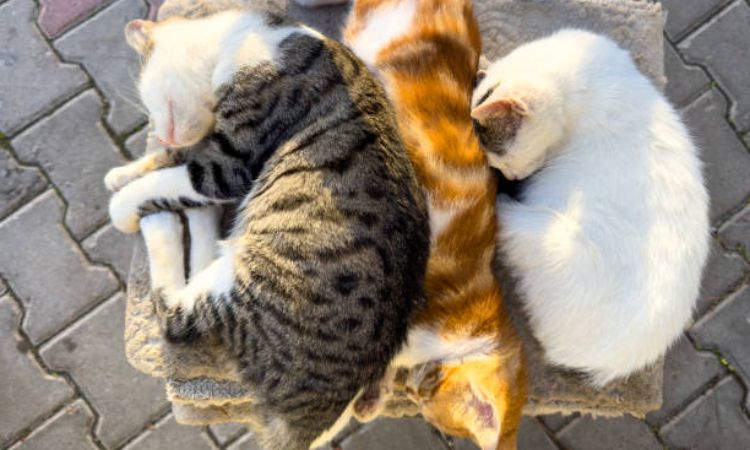
While there is variation among individuals, many adult cats settle near 14 hours of total daily sleep. This average can fluctuate depending on lifestyle, routine, and environment. For example, an indoor cat with fewer opportunities for exploration or hunting may spend more time resting, while a particularly active or playful cat may sleep slightly less.
Factors That Change Adult Cat Sleep
Several factors can influence how much an adult cat sleeps, sometimes causing noticeable differences between individuals:
- Activity Level: Highly active cats, whether playing indoors or exploring outdoors, may need extra sleep to recharge, whereas sedentary cats may nap more simply out of boredom.
- Indoor vs. Outdoor Lifestyle: Outdoor cats often experience more stimulation and potential threats, which can affect sleep timing and duration, while indoor cats may have a more predictable sleep schedule.
- Stress and Environmental Changes: Moving homes, introducing new pets or family members, or changes in daily routines can lead to increased sleep as cats adjust, or decreased sleep if anxiety disrupts their rest.
- Health Conditions: Illnesses such as kidney disease, hyperthyroidism, diabetes, or arthritis can alter sleep patterns. Cats may sleep more if they’re unwell or less if discomfort or pain prevents deep rest.
It’s important for cat owners to monitor sudden changes in sleep. A noticeable increase or decrease in daily rest can be an early sign of a health issue. If your adult cat’s sleep habits shift unexpectedly, it’s advisable to consult your veterinarian to rule out medical concerns and ensure your feline companion remains healthy and comfortable.
How Many Hours Do Senior Cats Sleep?
Normal Senior Cat Sleep Duration
As cats enter their senior years—generally around 10 to 12 years of age—their sleep patterns often change significantly compared to younger adults. It’s common for senior cats to sleep 16 to 18 hours per day, and in some cases, they may approach 20 hours of rest daily. This increased need for sleep is largely due to lower energy levels, slower metabolism, and age-related changes in their bodies.
Several factors contribute to these longer rest periods. Joint pain and arthritis can make movement uncomfortable, encouraging cats to spend more time resting. Chronic diseases, such as kidney or heart conditions, can also sap energy, prompting longer naps. Additionally, reduced mobility and the natural aging process itself mean that senior cats often require extra downtime to conserve energy and maintain overall health. Providing warm, soft, and quiet sleeping spaces can help older cats feel more comfortable and allow them to rest properly.
When Senior Cat Sleep Is a Concern
While increased sleep is normal in older cats, there are signs that excessive or unusual sleep may indicate health issues. Sleeping significantly more than 20 hours per day, showing sudden, marked lethargy, or changes in activity levels can be red flags that warrant closer attention.
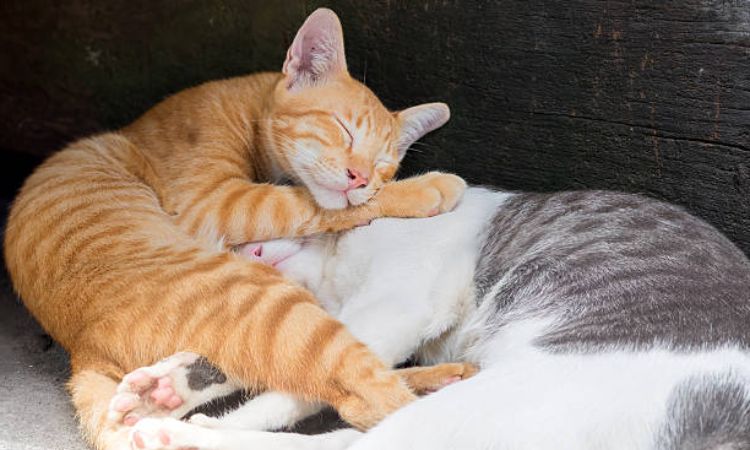
Owners should be especially vigilant if changes in sleep are accompanied by other signs, such as unexplained weight loss, decreased appetite, confusion, or shifts in behavior like irritability or excessive vocalization. These symptoms may indicate underlying conditions, including metabolic disorders, infections, or cognitive decline, which require professional evaluation.
If any of these warning signs appear, it is important to consult a veterinarian promptly. Early intervention can help manage pain, detect illnesses early, and ensure your senior cat maintains a comfortable and healthy quality of life in their later years.
Tips to Support Healthy Cat Sleep
Ensuring your cat gets high-quality rest isn’t just about letting them nap whenever they want. Cats thrive on safe, comfortable environments and structured daily routines that align with their natural behaviors. By understanding what influences a cat’s sleep, you can help them rest more deeply, stay healthier, and reduce nighttime disturbances in your household.
Creating a Comfortable Sleep Environment
Cats are naturally vulnerable while sleeping, so a quiet, safe, and cozy space is essential for uninterrupted rest. When setting up a sleep area, consider the following:
- Location: Place beds in low-traffic areas away from household noise, drafts, or direct airflow from vents. Cats often prefer quiet corners, under furniture, or slightly elevated spots where they can observe their surroundings safely.
- Bed Type: Soft, supportive beds are particularly beneficial for senior cats or those with joint issues such as arthritis. Beds with raised sides or memory-foam padding help relieve pressure on joints, support mobility, and allow older cats to rest comfortably for longer periods.
- Warmth and Security: Many cats are heat-seekers and prefer sunny spots or slightly enclosed beds. Providing warmth and a sense of protection can reduce stress and improve sleep quality, encouraging deeper, more restorative naps.
By prioritizing comfort and security, you give your cat the confidence to relax fully, which can also reduce nighttime restlessness.
Daytime Enrichment and Routine
Cats are crepuscular, meaning their natural peak activity occurs around dawn and dusk. Without sufficient stimulation during the day, cats may wake frequently at night or engage in restless behavior. Supporting healthy sleep involves structuring play and enrichment around their natural rhythms:
- Scheduled Play: Interactive toys, feather wands, laser pointers, and puzzle feeders provide physical and mental exercise. Short, engaging play sessions in the morning and evening help cats expend excess energy and prepare them for longer, deeper naps during the day or night.
- Vertical and Climbing Spaces: Cat trees, shelves, and window perches allow cats to exercise, climb, and explore safely, satisfying their instinctual behaviors while reducing boredom and nighttime activity.
- Feeding Routines: Align feeding times with activity peaks. Offering a meal or snack shortly before the cat’s main rest periods encourages contentment and sleepiness, minimizing nighttime wake-ups. For example, providing food around dusk supports their crepuscular tendencies and can synchronize their sleep cycle with quieter household hours.
By combining environmental comfort with purposeful enrichment, your cat is more likely to sleep soundly, maintain a healthy energy balance, and enjoy a predictable routine. Over time, these strategies also help reduce nighttime disturbances, improve overall well-being, and strengthen the bond between you and your cat.
You Might Also Be Interested In: Why is my cat sleeping all day and not eating