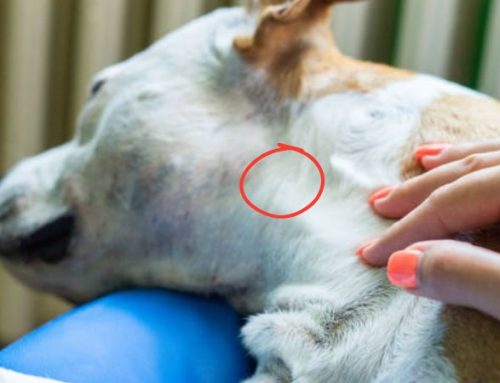

The Bichon Frise is a small, cheerful, and affectionate breed, beloved for its fluffy white coat and playful personality. While generally healthy, Bichons are prone to certain medical conditions that can impact their lifespan. Understanding the health risks and common causes of death in this breed is essential for providing proper care and ensuring a long, happy life.
In this guide, we’ll explore the most common health issues Bichons face, including cancer, kidney disease, and heart problems, and explain how early detection and proactive care can help your pet live longer and healthier.
Cancer – The Leading Cause of Death
How Often Do Bichons Die From Cancer?
Cancer is the most frequently recorded cause of death among Bichon Frisés, accounting for approximately 21–22% of deaths according to breeder surveys in the U.S. Unlike many other purebred dogs, Bichons tend to develop cancer later in life, usually around 11–12 years old, which means owners often enjoy many healthy, active years before any serious illness appears. While this later onset can be somewhat reassuring, it also highlights the importance of vigilant monitoring as your Bichon approaches senior age.

Common Types of Cancer in Bichon Frisé
Several types of cancer are more commonly observed in Bichons, often influenced by age, gender, and genetic factors:
- Lymphoma: One of the most frequently reported cancers in Bichons, lymphoma affects the lymphatic system. Common signs include enlarged lymph nodes, lethargy, unexplained weight loss, and decreased appetite. Early detection can improve management and extend quality of life.
- Mammary gland tumors: Female Bichons, especially those who are unspayed or spayed later in life, are at increased risk of developing mammary tumors. Spaying early can significantly reduce this risk.
- Skin cancers and tumors: Older Bichons may develop various skin growths, ranging from benign lumps to malignant tumors. Regular inspection of the skin and prompt evaluation of any unusual changes are crucial for early intervention.
Warning Signs of Cancer Owners Should Watch For
Recognizing early warning signs can make a critical difference in treatment outcomes. Owners should monitor their Bichon for:
- Physical changes: Lumps, swelling, or growths that persist or change in size; wounds that do not heal.
- Systemic symptoms: Unexplained weight loss, reduced appetite, or fatigue.
- Other signs depending on location: Pale or yellow gums, persistent coughing, difficulty breathing, or limping.
Prompt veterinary evaluation of any of these symptoms is essential, as early detection improves the likelihood of successful management.
How to Reduce Cancer Risk and Catch It Early
While not all cancers can be prevented, several steps can lower risk and support early detection:
- Early spaying in females: Reduces the risk of mammary tumors significantly.
- Routine veterinary exams: Check-ups every 6–12 months, especially from middle age onward, help detect problems early. Any new lumps or skin changes should be examined promptly.
- Healthy lifestyle: Maintaining a healthy weight, providing a balanced diet, and practicing good dental care contribute to overall wellness, which can indirectly support cancer prevention.
By combining awareness, routine veterinary care, and preventive practices, Bichon owners can maximize their dog’s longevity and quality of life, keeping cancer at bay or catching it in its early, most treatable stages.
Immune‑Mediated Blood Disorders (AIHA, ITP)
What These Blood Disorders Are
Immune‑mediated blood disorders occur when a dog’s immune system mistakenly attacks its own blood cells. In Autoimmune Hemolytic Anemia (AIHA), the immune system targets red blood cells, leading to anemia and reduced oxygen delivery to tissues. In Immune‑Mediated Thrombocytopenia (ITP), the immune system destroys platelets, which are essential for blood clotting.
Both conditions can cause serious health complications if not treated promptly. According to breeder surveys, immune‑mediated blood disorders account for approximately 11% of deaths in Bichon Frises, making them a significant health concern within the breed.

Typical Onset and Risk in Bichons
These disorders can develop in otherwise healthy young or middle‑aged Bichons, with a median onset reported around 5 years of age. Unlike some chronic conditions that develop gradually, immune‑mediated blood disorders often appear suddenly, with clinical signs progressing rapidly.
Because the immune system attacks essential blood components, these conditions can become life-threatening within days if untreated. Early recognition and veterinary intervention are critical for improving survival chances.
Symptoms Owners Need to Act On Immediately
Pet owners should watch carefully for warning signs of immune-mediated blood disorders, as prompt action can save a dog’s life. Common symptoms include:
- Sudden weakness, collapse, or difficulty standing
- Rapid breathing or increased heart rate
- Pale, yellow, or jaundiced gums
- Dark or discolored urine
- Unexplained bruising or bleeding, including nosebleeds or bleeding from the gums
If any of these symptoms appear, it is essential to contact a veterinarian immediately, as both AIHA and ITP can progress quickly and require urgent treatment such as immunosuppressive therapy, supportive care, and in severe cases, blood transfusions.
Treatment, Prognosis, and Long‑Term Management
Treatment typically begins with hospitalization for close monitoring and supportive care. Dogs are often treated with immunosuppressive drugs, most commonly steroids such as prednisone, to reduce immune system attacks on blood cells. Additional medications, including azathioprine, cyclosporine, or vincristine, may be used if initial therapy is insufficient.
In severe cases, blood transfusions may be necessary to replace lost red blood cells or platelets, and supportive care may include cage rest and activity restriction to prevent bleeding complications.
The prognosis varies. While mortality can be high—especially in severe cases—early and aggressive treatment significantly improves survival in many Bichons. Even dogs that recover require careful monitoring, as relapses can occur, and long-term management often involves tapering medications and routine follow-ups to maintain stable blood counts.
Age‑Related Organ Failure (Kidney, Heart, Multiple Organs)
As Bichon Frises enter their senior years, age-related organ decline becomes a major factor in their overall health and lifespan. While Bichons are generally hardy and affectionate companions, natural wear-and-tear on vital organs can eventually lead to life-threatening complications. Understanding these conditions, recognizing early warning signs, and providing attentive care can help manage quality of life in older dogs.
Kidney Disease and Kidney Failure
Kidney disease is one of the most common age-related causes of death in Bichon Frises, accounting for roughly 12% of fatalities among older dogs. The kidneys play a crucial role in filtering toxins from the bloodstream, regulating fluids, and maintaining electrolyte balance. When kidney function declines, dogs may develop chronic kidney disease (CKD), which progresses slowly but can become fatal over time.
Owners should watch for key warning signs of kidney problems:
- Increased thirst and urination – Early indicators of kidney stress.
- Weight loss and poor appetite – Caused by toxin buildup affecting metabolism.
- Vomiting and diarrhea – Frequent gastrointestinal upset is common in kidney disease.
- Bad breath – A distinctive uremic odor may develop.
- Mouth ulcers or oral discomfort – Resulting from toxin accumulation in the bloodstream.
Regular veterinary checkups, including blood work and urine analysis, are critical for early detection. Dietary adjustments, proper hydration, and medications can slow disease progression, but advanced kidney failure may eventually become life-limiting.

Heart Disease in Older Bichon Frises
Cardiac issues are another major contributor to age-related mortality, affecting approximately 6% of older Bichons. The most common heart problem in this breed is mitral valve disease (MVD), which can lead to congestive heart failure (CHF) over time.
Symptoms of heart disease in senior Bichons include:
- Persistent coughing – Often worse at night or during rest.
- Exercise intolerance or fatigue – Dogs may tire easily or struggle with normal activity.
- Fainting or collapse – Episodes may occur during exertion due to reduced cardiac output.
- Fluid retention – Swelling in the abdomen (ascites) or legs, and difficulty breathing due to fluid buildup in the lungs.
Veterinary management often includes medications to support heart function, diuretics to reduce fluid retention, and lifestyle adjustments to minimize stress on the heart. Early detection can improve quality of life, although progressive heart disease may ultimately limit lifespan.
“Died of Old Age” – What It Usually Means
When a Bichon passes away from “old age,” this term often encompasses multiple organ decline rather than a single disease. Kidneys, heart, and the nervous system gradually lose efficiency, leaving the dog frail and more susceptible to illness or injury. Common signs of this stage include reduced mobility, loss of appetite, unsteady gait, and general lethargy.
Many Bichons reach their mid-teens, and when they pass peacefully from combined age-related issues, it reflects the natural culmination of a long, healthy life. While specific organ failures may contribute, the overall decline in resilience and systemic function typically underlies the cause.
Other Health Problems That Can Shorten a Bichon’s Life
Diabetes and Metabolic Disease
Bichon Frises have a higher predisposition to diabetes compared with many other small breeds. Diabetes occurs when the body cannot properly regulate blood sugar, either due to insufficient insulin production or ineffective insulin utilization. If left untreated, diabetes can trigger a cascade of serious health complications.
Some common consequences of uncontrolled diabetes include:
- Cataracts – Rapidly forming cloudiness in the eyes, which can lead to vision loss.
- Recurrent infections – High blood sugar levels weaken the immune system, making infections more frequent and harder to treat.
- Weight loss and muscle wasting – Despite increased appetite, the dog may lose weight as glucose is not properly absorbed by tissues.
- Diabetic crises – Severe cases can lead to life-threatening conditions like diabetic ketoacidosis, requiring immediate emergency care.
Early detection through regular blood work, maintaining a stable diet, consistent exercise, and, if necessary, insulin therapy can allow a diabetic Bichon to live a long, healthy life.

Liver Shunts and Serious Congenital Conditions
Another significant risk for Bichon Frises is portosystemic shunt (PSS), a congenital condition where blood bypasses the liver instead of being detoxified. This allows harmful substances to circulate freely in the bloodstream, which can seriously affect multiple organs, particularly the brain.
Signs that a Bichon may have a liver shunt include:
- Poor growth or failure to thrive – Puppies with PSS may remain smaller than their littermates.
- Neurological episodes – Seizures, disorientation, or unusual behavior after eating due to toxin buildup.
- Vomiting or digestive upset – Food intolerance and chronic gastrointestinal symptoms are common.
- Behavior changes – Lethargy, confusion, or hyperactivity, especially after meals.
PSS can be diagnosed through blood tests, imaging, and liver function studies. Surgical correction is often the preferred treatment for many cases, though medical management can help mitigate symptoms when surgery is not feasible. Early detection is critical, as untreated PSS can shorten a Bichon’s lifespan.
Serious Complications of Stones, Orthopedic, and Eye Disease
Bichon Frises are prone to several other health conditions that, while not always fatal on their own, can significantly impact longevity and quality of life.
- Bladder stones – These can cause painful urinary blockages, blood in the urine, and urinary tract infections. Severe blockages, particularly in male dogs, can become life-threatening emergencies without prompt intervention.
- Orthopedic problems – Conditions such as severe patellar luxation and hip dysplasia can cause chronic pain, mobility issues, and long-term joint damage. While these problems rarely cause death directly, they can lead to earlier euthanasia if the dog’s quality of life is compromised.
- Eye disease – Bichons are susceptible to cataracts, glaucoma, and retinal disorders. Though these conditions are generally not fatal, untreated eye problems can result in blindness, decreased activity, and secondary health complications.
Proactive veterinary care—including regular screenings, dietary adjustments, appropriate exercise, and surgical interventions when necessary—can help manage these conditions and reduce their impact on a Bichon’s lifespan.
Factors That Influence How a Bichon Frise Dies
Genetics and Breed Predispositions
Genetics have a profound impact on a Bichon Frise’s health and can shape the risks for various conditions that may influence their cause of death. Bichons are predisposed to certain hereditary issues, including allergies, bladder stones, eye disorders (such as cataracts), patellar luxation, and some systemic diseases like heart valve degeneration. These genetic factors can increase the likelihood of developing complications as the dog ages, sometimes leading to chronic illness or early mortality if not managed carefully.
The role of ethical breeding and responsible breeder selection cannot be overstated. Reputable breeders perform comprehensive health testing and genetic screening to minimize the risk of passing down hereditary conditions. Choosing a Bichon from a breeder who prioritizes health and temperament over appearance significantly reduces the likelihood of severe genetic issues, giving the dog a stronger foundation for a long, healthy life. Additionally, understanding a puppy’s family health history allows owners and veterinarians to anticipate potential risks and implement early monitoring or interventions.
Lifestyle, Diet, and Environment
A Bichon’s lifestyle and environmental conditions are just as influential as genetics in determining their overall health and longevity. Maintaining a healthy body weight is essential, as obesity increases the risk of heart disease, diabetes, joint problems, and reduced mobility. Feeding a high-quality, balanced diet that meets the dog’s age, size, and energy needs supports immune function, organ health, and coat condition.
Regular exercise is equally important, helping maintain cardiovascular fitness, muscle tone, and joint flexibility while preventing behavioral issues and boredom. Mental stimulation through training, play, and interactive toys also contributes to overall well-being.
Dental hygiene is another key factor often underestimated. Bichons are prone to periodontal disease due to their small jaws and crowded teeth. Poor dental health can allow bacteria to enter the bloodstream, potentially leading to systemic infections, kidney disease, or heart complications in older dogs. Regular brushing, professional dental cleanings, and careful monitoring can prevent these serious outcomes, effectively extending lifespan and preserving quality of life.
Preventive Vet Care and Early Detection
Preventive veterinary care is one of the most powerful tools owners have to influence how their Bichon Frise ages and ultimately dies. Bi-annual veterinary visits from middle age onward allow for early detection of organ disease and chronic conditions. During these visits, routine blood work, urine analysis, and physical examinations can reveal early signs of kidney dysfunction, liver issues, or metabolic imbalances long before outward symptoms appear.
Owners also play a critical role in daily monitoring. Keeping an eye on gums, breathing, appetite, urination, energy levels, and behavior helps detect subtle changes that may indicate the onset of illness. Early recognition allows for prompt veterinary intervention, whether it’s adjusting diet, prescribing medication, or recommending lifestyle modifications. This proactive approach often prevents complications from becoming severe, improves treatment outcomes, and contributes to a longer, healthier life for the Bichon Frise.
How to Help Your Bichon Live Longer
Ensuring your Bichon Frise enjoys a long, healthy life requires consistent attention to their daily routines, medical care, and overall well-being. By understanding the breed’s unique needs and proactively managing their health, you can maximize their lifespan and quality of life.
Daily Care Habits That Protect Long‑Term Health
Maintaining Ideal Body Condition
Keeping your Bichon at a healthy weight is critical for long-term health. Excess weight strains joints, increases the risk of diabetes, and can exacerbate heart or kidney conditions. Feeding a balanced diet formulated for small breeds—rich in high-quality proteins, healthy fats, and essential nutrients—supports muscle tone, energy levels, and overall vitality. Monitor portions carefully, avoid overfeeding, and limit treats to prevent obesity.
Exercise and Mental Stimulation
Bichon Frises are energetic little dogs that benefit from daily physical activity. Short walks, interactive play, and safe outdoor exploration keep their muscles strong, support cardiovascular health, and prevent behavioral problems caused by boredom or excess energy. Cognitive stimulation, such as puzzle toys, training sessions, or new trick challenges, keeps their mind sharp, reducing the risk of cognitive decline as they age.
Dental, Grooming, and Skin Care
Oral hygiene is critical for small breeds like the Bichon. Daily or frequent tooth brushing prevents plaque buildup, gum disease, and systemic infections that can affect the heart or kidneys.
Regular grooming—including brushing every other day, professional trims, and ear cleaning—prevents matting, reduces skin irritation, and helps detect allergies or infections early. Use gentle shampoos and monitor for redness, itching, or abnormal hair loss. Addressing these issues promptly ensures your Bichon stays comfortable and healthy throughout life.

Vet Check Schedule and Recommended Screening
Puppies and Young Adults
For young Bichons, annual wellness checks are essential. These visits include:
- Core vaccinations and boosters
- Parasite prevention (fleas, ticks, heartworm)
- Growth and development assessments
- Early detection of congenital or hereditary conditions
Establishing a strong relationship with your veterinarian during these formative years ensures your dog’s health is monitored and maintained from the beginning.
Middle-Aged and Senior Bichons
As your Bichon reaches middle age (around 6–7 years) and beyond, more frequent monitoring becomes critical. Bi-annual or annual exams allow vets to track changes in organ function, detect chronic conditions early, and adjust care plans as needed. Recommended screenings often include:
- Blood work to evaluate liver, kidney, and thyroid function
- Urinalysis to check kidney health and detect urinary issues
- Targeted screening for heart disease or other breed-specific risks
- Weight, body condition, and dental assessments
Early detection of subtle changes can dramatically improve treatment outcomes and enhance your dog’s quality of life.
When to Discuss End‑of‑Life Decisions With Your Vet
While proactive care can extend your Bichon’s life, there may come a time when difficult decisions are necessary. Recognizing signs of declining quality of life is essential, including:
- Chronic or severe pain
- Labored breathing or respiratory distress
- Inability to stand, walk, or move comfortably
- Repeated medical crises or hospitalizations
- Loss of appetite or lack of interest in family interaction
Having open, compassionate conversations with your veterinarian allows you to plan for palliative care, pain management, or humane euthanasia when appropriate. These discussions, although difficult, ensure that your Bichon’s final days are as comfortable and stress-free as possible. Planning ahead also gives you the opportunity to make thoughtful, informed decisions rather than reacting in the moment.
Helping your Bichon Frise live a longer, happier life is a combination of daily care, proactive veterinary oversight, and attentive monitoring of physical and emotional health. Maintaining a healthy weight, providing mental and physical stimulation, and adhering to regular grooming routines all contribute to overall longevity. Regular veterinary visits, appropriate screenings, and early detection of health changes protect your dog from preventable complications. Finally, understanding when to have compassionate end-of-life discussions ensures your beloved companion experiences dignity and comfort throughout their life.