
Seeing pink, red, or rusty-colored urine in your cat’s litter box can stop you in your tracks. One moment everything seems normal, and the next you’re left wondering whether this is a minor irritation or a true medical emergency. Cats rarely show pain openly, so when blood appears in their urine, it’s often the body’s quiet alarm that something isn’t right beneath the surface—especially within the urinary system.
Understanding what this sign means, how it differs between male and female cats, and when home care is appropriate versus urgent veterinary treatment can make a critical difference in your cat’s health and comfort.
Is Blood in Cat Pee an Emergency?
Blood in a cat’s urine is never normal and should always be taken seriously. While not every case requires an emergency room visit, some situations are immediately life-threatening and demand urgent care. The key factor is whether your cat can urinate normally and how they are behaving. Urinary conditions can worsen quickly, especially in male cats, so recognizing warning signs is critical.
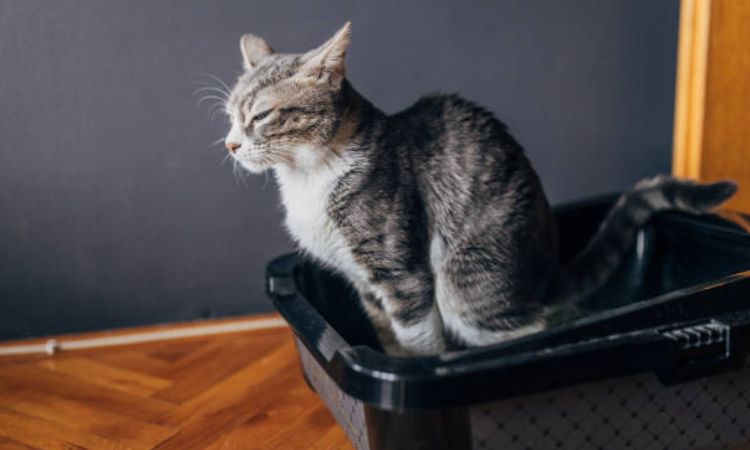
Red-Flag Signs
Seek emergency veterinary care right away if your cat shows any of the following signs:
- Straining to urinate with little or no urine produced: Repeated attempts in the litter box with minimal or no output strongly suggest a urinary blockage. This is a true emergency.
- Crying, yowling, or obvious pain in the litter box: Vocalization during urination attempts indicates significant pain, pressure, or obstruction in the urinary tract.
- Vomiting, extreme lethargy, or weakness: These symptoms may signal toxin buildup in the bloodstream due to impaired urine flow and possible kidney failure.
- A male cat with blood in the urine and any difficulty urinating: Male cats are at high risk for urethral blockage because of their narrow urethra. Even partial blockage can become fatal within 24–48 hours.
- Large blood clots in the urine: Clots can obstruct urine flow and rapidly worsen the condition.
- A firm, swollen abdomen or rapid, labored breathing: These signs suggest severe urinary retention and systemic illness.
If your cat cannot pass urine at all, do not wait or monitor at home. Go to an emergency veterinary hospital immediately.
When a Same-Day Appointment With Your Regular Vet May Be Appropriate
It may be acceptable to contact your primary veterinarian for a same-day appointment if:
- Your cat is still producing urine in normal or near-normal amounts
- The urine appears pink-tinged or lightly blood-stained, but there is no straining or vocalizing
- Your cat is alert, eating, and not vomiting
- You notice frequent urination, peeing outside the litter box, or mild lethargy, but urine is still passing
Even in these cases, blood in the urine should not be delayed beyond 24 hours, as mild signs can escalate quickly without treatment.
Male vs. Female Cats: What’s Different?
When it comes to blood in a cat’s urine, the underlying causes, risk factors, and urgency of treatment can differ significantly between male and female cats. Understanding these differences can help cat owners respond appropriately and seek timely veterinary care.
1. Male Cat Peeing Blood
Blood in a male cat’s urine is always a cause for serious concern because of the unique risk of urethral obstruction, which can be rapidly life-threatening. Male cats have a narrow urethra that makes them particularly susceptible to blockages from crystals, stones, or inflammatory debris. Even a small amount of blood in a male cat’s urine should prompt immediate attention if accompanied by straining, frequent litter box visits, or pain.
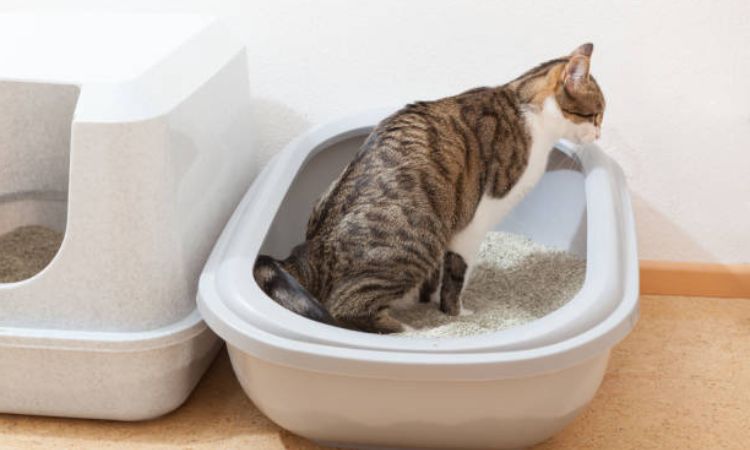
Common Causes
- Feline Idiopathic Cystitis (FIC): Stress-induced bladder inflammation is a leading cause of hematuria in male cats. Environmental stressors, multi-cat households, or sudden changes in routine can trigger FIC, leading to painful urination and potential urethral blockage.
- Bladder Stones or Crystals: Mineral deposits such as struvite or calcium oxalate can irritate the bladder lining or obstruct the urethra. Male cats are at higher risk due to their narrow urethra.
- Urinary Tract Infections (UTIs): Less common in young, healthy male cats, but possible in older males or those with underlying conditions.
- Trauma or Tumors: Injuries or growths in the urinary tract may also cause bleeding, though these are less frequent.
Emergency Signs
Male cats showing the following symptoms need immediate veterinary attention:
- Straining to urinate with little or no urine produced.
- Crying or howling while attempting to urinate.
- Lethargy, hiding, or refusal to eat.
- Vomiting, bloated abdomen, or large blood clots in the urine.
Veterinary Care
A male cat with blood in the urine may require:
- Urinalysis to check for crystals, infection, or blood.
- Bloodwork to evaluate kidney function or clotting disorders.
- Imaging (X-rays or ultrasound) to detect stones, crystals, or tumors.
- Urine culture to identify bacterial infection.
Home Support While Awaiting Care: While waiting for veterinary evaluation, reduce stress, maintain a clean litter box, encourage hydration with fresh water or wet food, and keep your cat in a quiet, calm space. Do not delay seeking care, as a blocked male cat can develop kidney failure, heart problems, or die within 24–48 hours.
2. Female Cat Peeing Blood
Female cats are less likely than males to develop life-threatening urethral blockages due to their wider urethra. However, blood in a female cat’s urine is still a serious symptom and should never be ignored. Prompt veterinary attention is essential to identify the underlying cause and prevent complications.
Common Causes
- Feline Idiopathic Cystitis (FIC): Stress-related bladder inflammation is common in female cats as well. Changes in routine, environmental stressors, or multi-cat competition can trigger this condition.
- Bladder Stones or Crystals: Mineral deposits can irritate the bladder lining, causing pain and bleeding. Female cats can pass stones more easily than males, but obstruction is still possible in rare cases.
- Urinary Tract Infections (UTIs): More common in older female cats due to their anatomy, UTIs can cause inflammation and hematuria.
- Kidney Disease: Conditions affecting kidney function can predispose cats to UTIs or stone formation, sometimes resulting in blood in the urine.
- Cancer or Tumors: Tumors in the bladder or kidneys may lead to bleeding.
- Trauma or Toxins: Injuries or ingestion of poisons (e.g., rodenticides) can cause internal bleeding, including hematuria.
- Oestrus (Heat Cycle): In unspayed females, bloody discharge may be mistaken for hematuria.
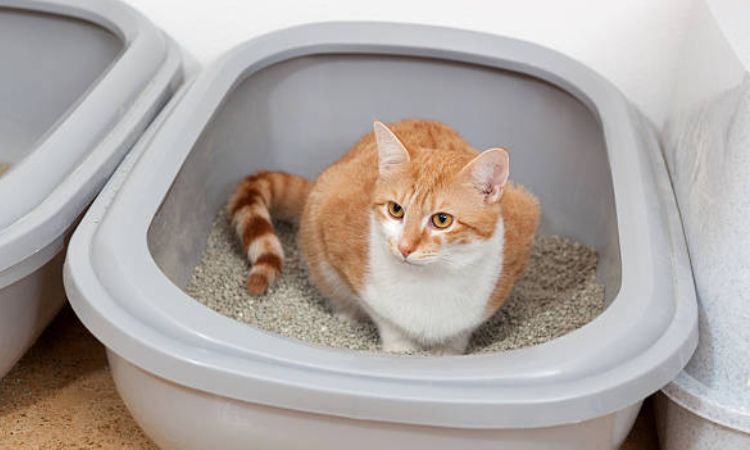
Warning Signs
While female cats are less prone to obstruction, urgent veterinary care is needed if:
- She strains to urinate or cries while urinating.
- She produces only a few drops of urine.
- She urinates outside the litter box or excessively grooms the genital area.
- She shows lethargy, decreased appetite, or vomiting.
Veterinary Care: A veterinarian may perform urinalysis, bloodwork, urine culture, and imaging (X-rays or ultrasound) to determine the cause of bleeding and provide treatment. Management may include medications, dietary changes, stress reduction, or in rare cases, surgical intervention.
Home Support: While waiting for veterinary evaluation, ensure she has access to clean litter boxes, fresh water, and a calm environment. Reduce stressors and monitor her closely for any changes in behavior or urination patterns.
You Might Also Be Interested In:
- What a Cat Pooping Blood Means: Your Guide to Causes and Care
- What to Do If Your Cat Has Bloody Diarrhea: A Vet’s Guide
- Cat Pooping Blood and Mucus
- Blood in Your Cat’s Urine: Causes, Symptoms, and What to Do
Seeing blood in the litter box is an alarming signal that your cat needs an advocate. While the underlying cause can range from minor inflammation to a serious medical crisis, your role as a pet owner is to act quickly and prioritize professional diagnosis. Nexus Pets is dedicated to providing you with the clarity and resources needed to understand these symptoms and improve your cat’s quality of life. By staying informed and proactive about urinary health, you can ensure your companion receives the right care at the right time.