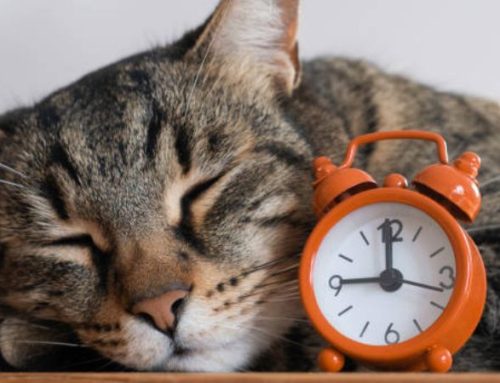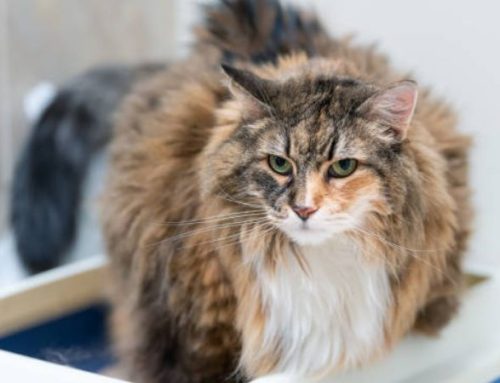

Even the most affectionate cat can be a master of disguise when it comes to their health. One day, your furry companion is bouncing around like nothing’s wrong, and the next, they’re sprawled out on the couch, ignoring meals and napping far more than usual.
For cat parents, these quiet signals are often the first clue that something isn’t quite right so how do you know when your cat’s long naps and skipped meals are just a phase, and when they’re a sign of a deeper problem?
Understanding Normal vs. Lethargic Sleep
Cats are well-known for their love of sleep, often inspiring the term “cat nap.” On average, healthy adult cats spend 12–16 hours a day resting or sleeping, with kittens and senior cats sometimes exceeding this range. This extended rest is a normal part of feline biology, allowing them to conserve energy for hunting, playing, and general activity. Occasional long naps or periods of low activity are not usually a cause for concern, especially if your cat is alert, responsive, and eating normally.
However, there is a critical difference between normal sleep and lethargy. Lethargy is not simply a lazy afternoon—it is a persistent decrease in energy, motivation, and responsiveness that may indicate an underlying health problem. Unlike typical rest, a lethargic cat may hide more often, ignore toys and interaction, or appear unresponsive to familiar stimuli. They may also neglect grooming, move less around the home, or avoid climbing to their favorite elevated spots. These subtle behavioral changes are often the first signs that something is wrong, even before more obvious clinical symptoms appear.
One of the most important indicators of medical concern is the 24-hour rule: if a cat refuses to eat for more than a full day, it is considered a veterinary emergency. Cats’ metabolisms are sensitive, and prolonged fasting can quickly lead to serious complications such as hepatic lipidosis (fatty liver disease) or dehydration. Even if lethargy seems mild at first, a lack of appetite or complete disinterest in food for more than 24 hours warrants immediate veterinary attention. Prompt intervention can prevent further complications and help identify the root cause, whether it’s infection, pain, organ dysfunction, or another health issue.
Common Medical Causes for Appetite Loss & Fatigue
If your cat is unusually sleepy, quiet, or refusing to eat, it’s important to understand that loss of appetite and lethargy are often warning signs of underlying medical issues. While some behavioral or environmental factors can contribute, persistent fatigue combined with reduced food intake should always be taken seriously. Below, we explore the most common medical causes that veterinarians encounter.
Infections & Fever
Cats are susceptible to a variety of viral and bacterial infections that can significantly drain their energy. Common viral infections include:
- Feline Immunodeficiency Virus (FIV) – often leads to long-term immune system compromise.
- Feline Leukemia Virus (FeLV) – can cause chronic fatigue, weight loss, and susceptibility to secondary infections.
- Calicivirus – typically causes respiratory symptoms but can also result in fever and malaise.
Bacterial infections, such as abscesses from bites or wounds, urinary tract infections, or systemic infections, can also lead to high fever, discomfort, and extreme lethargy. Cats fighting infections may retreat to quiet, hidden spots and lose interest in food, as their body prioritizes healing over energy expenditure.
Dental Issues
Dental health is often overlooked in cats, but periodontal disease, tooth decay, or oral abscesses can make chewing painful or even unbearable. Cats with dental issues may:
- Avoid hard kibble or treat foods
- Drop food while trying to eat
- Show drooling or pawing at their mouth
Even minor dental problems can lead to decreased appetite and secondary fatigue, as pain discourages normal eating and affects overall well-being. Timely veterinary dental care is essential to prevent more serious complications like infection spreading to other organs.
Organ Dysfunction
Several internal organ problems can lead to both loss of appetite and lethargy, particularly in older cats. Key conditions include:
a. Kidney Disease
Chronic kidney disease is common in senior cats and often develops gradually. Symptoms include:
- Increased thirst and urination
- Weight loss and muscle wasting
- Reduced appetite
- Fatigue
As kidney function declines, toxins build up in the blood, leading to nausea, weakness, and general malaise. Early detection through blood tests and urine analysis can help manage the disease and improve quality of life.
b. Liver Disease & Hepatic Lipidosis (“Fatty Liver”)
Liver issues are particularly dangerous because cats are prone to developing hepatic lipidosis, a condition triggered when a cat stops eating for more than 24–48 hours. In this cycle:
- The cat stops eating due to illness or stress.
- The body begins mobilizing fat for energy.
- The liver becomes overwhelmed and unable to process fat efficiently.
- Fat accumulates in the liver, impairing its function and worsening lethargy and anorexia.
Prompt veterinary intervention is critical, as untreated hepatic lipidosis can be life-threatening.
c. Pancreatitis
Inflammation of the pancreas can cause severe abdominal pain, nausea, and vomiting. Cats with pancreatitis often:
- Hide or avoid activity
- Refuse all food, including their favorite treats
- Appear lethargic and weak
Management typically requires veterinary care including pain relief, fluid therapy, and sometimes specialized diets.
Gastrointestinal Blockage
Cats, especially curious young ones, can accidentally ingest foreign objects such as string, hair ties, small toys, or other indigestible items. A blockage can prevent normal digestion, leading to:
- Severe lethargy
- Loss of appetite
- Vomiting or retching
- Abdominal discomfort
Gastrointestinal obstructions are urgent medical issues and usually require surgical intervention to prevent complications like tissue necrosis or perforation.
Anemia
Anemia, or low red blood cell count, reduces the body’s ability to transport oxygen to tissues, leaving cats weak, pale, and fatigued. Causes of anemia include:
- Blood loss from injury or parasites (e.g., fleas)
- Chronic kidney disease
- Bone marrow disorders
- Immune-mediated destruction of red blood cells
Cats with anemia may also show pale gums, rapid breathing, or a lack of energy, making them more prone to hiding and avoiding normal activities. Diagnosis typically involves a complete blood count (CBC) and treatment depends on the underlying cause.
Psychological & Environmental Triggers
Cats are highly sensitive creatures, and their mental and emotional well-being can have a direct impact on their appetite and energy levels. Unlike dogs, cats often hide stress and discomfort, which means changes in behavior such as lethargy or refusal to eat may be the only visible signs of an underlying psychological or environmental issue.
Stress & Anxiety
Major life changes can be stressful for cats, even if they seem minor to humans. Recent moves, the introduction of a new pet, or rearrangements in the household can trigger anxiety. Cats thrive on routine, and sudden disruptions can cause them to withdraw, hide, or eat less than usual. Stress may also manifest as excessive grooming, vocalization, or aggression, in addition to fatigue and loss of appetite.
Food Aversion
Cats can develop negative associations with specific foods or feeding locations. A single upsetting experience, such as a bout of nausea or digestive upset after eating, can make a cat reject that food permanently. Similarly, if their food bowl is placed in a noisy or uncomfortable area, or near a competitor or other pet, a cat may develop reluctance to eat. Over time, this food aversion can contribute to gradual weight loss, lethargy, and frustration for both cat and owner.
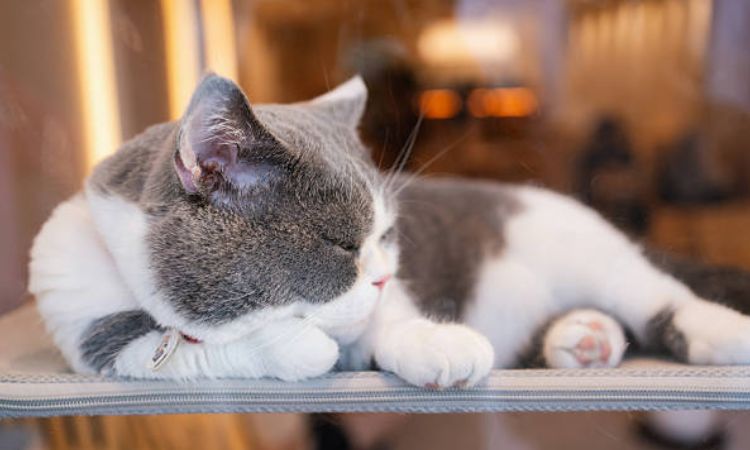
Depression & Mourning
Cats are capable of forming strong bonds with other pets and humans. The loss of a companion—whether another cat, a dog, or even a human family member—can lead to depression-like symptoms. A grieving cat may sleep more, eat less, and lose interest in play or exploration. Signs of depression in cats often overlap with other conditions, so monitoring changes in behavior is crucial. Providing a stable routine, extra attention, and gentle encouragement to engage in normal activities can help support a grieving cat, but professional guidance may be necessary if symptoms persist.
When to Call the Vet Immediately
Certain signs in a cat should never be ignored. While mild lethargy or temporary loss of appetite may sometimes resolve on its own, the following emergency indicators require immediate veterinary attention to prevent serious complications or even death.
Difficulty Breathing or Open-Mouth Panting
Cats are not natural panting animals. If your cat is struggling to breathe, gasping, or breathing with an open mouth, this could indicate a life-threatening respiratory or cardiac issue. Conditions such as asthma attacks, heart failure, or fluid buildup in the lungs can rapidly deteriorate a cat’s health. Immediate intervention is crucial.
Yellowing of the Eyes or Skin (Jaundice)
Jaundice, or the yellowing of the eyes, gums, or skin, signals potential liver disease, bile duct obstruction, or severe hemolytic anemia. This condition indicates that toxins are building up in the bloodstream, and prompt veterinary evaluation is essential to diagnose the cause and prevent organ failure.
Frequent Vomiting or Extreme Diarrhea
While occasional vomiting can be normal, persistent vomiting or severe diarrhea can quickly lead to dehydration, electrolyte imbalances, and malnutrition. These symptoms may be caused by infections, poisoning, pancreatitis, or gastrointestinal blockages. Cats with these symptoms should be seen immediately to stabilize their condition and treat the underlying cause.
Complete Inability to Wake the Cat or Sudden Collapse
A cat that is unresponsive, unusually weak, or collapses suddenly may be experiencing a critical medical emergency. Causes can include severe hypoglycemia, heart disease, poisoning, or neurological events. Do not attempt home care—seek veterinary attention immediately.
Straining at the Litter Box (Especially for Male Cats)
Male cats are particularly prone to urinary blockages, which can become fatal within hours if untreated. Signs include frequent attempts to urinate with little to no output, vocalizing in pain, or hiding near the litter box. Immediate veterinary intervention is required to relieve the blockage and prevent kidney damage or death.
How to Support Your Cat While Waiting for an Appointment
When your cat is lethargic, refusing food, or otherwise unwell, the hours or days leading up to a veterinary appointment can be stressful for both you and your feline companion. While professional care is essential, there are several ways you can support your cat’s comfort, hydration, and nutrition during this waiting period.
Encouraging Hydration
Proper hydration is critical, especially if your cat is not eating well. Cats are prone to dehydration, which can worsen lethargy and complicate underlying medical issues. You can help by:
- Offering flavored water or broths: Tuna juice (from canned tuna in water, not oil) or low-sodium chicken broth can be highly appealing to cats while adding extra moisture.
- Providing fresh water in multiple locations: Some cats prefer moving water, so consider using a cat fountain or placing small bowls in different areas.
- Monitoring intake: Encourage small, frequent sips rather than expecting your cat to drink large amounts at once.
Even slight increases in fluid intake can help maintain kidney function, support digestion, and prevent additional fatigue.
Enticing Food
Cats who are lethargic or nauseated may require extra coaxing to eat. Appetite stimulation can prevent further complications, such as hepatic lipidosis, a dangerous “fatty liver” condition in cats that haven’t eaten for more than 24 hours. Tips include:
- Warming wet food: Gently heating wet or canned food enhances its aroma, which can make it more enticing.
- Offering “meat-only” baby food: Plain meat-based baby foods (without onion, garlic, or other harmful ingredients) can provide a safe and easily digestible protein source.
- Small, frequent meals: Instead of expecting your cat to eat a full portion, offer tiny servings multiple times a day to encourage gradual intake.
- High-value treats: Occasionally, hand-feeding small portions of lean cooked meat, fish, or specially formulated cat treats can stimulate appetite.
Avoid forcing food, as stress or discomfort can worsen anorexia. The goal is to make eating as appealing and low-pressure as possible.
Comfort Care
A calm, secure environment can significantly affect a cat’s willingness to eat, drink, and rest comfortably:
- Warm, quiet spaces: Place your cat’s bedding in a quiet, draft-free area away from household activity. Cats often feel safer and more relaxed when they can retreat to a secure, warm spot.
- Easy accessibility: Ensure litter boxes, food, and water are within easy reach, especially for cats with mobility issues or joint pain. Consider adding low ramps or steps to favorite resting spots if needed.
- Minimal stress: Reduce sudden noises, limit visitors, and avoid handling your cat excessively. Stress can exacerbate lethargy and suppress appetite.
- Gentle reassurance: Soft talking, gentle petting (if tolerated), and sitting near your cat can provide comfort without adding pressure.
By maintaining hydration, encouraging small amounts of appealing food, and creating a low-stress environment, you can support your cat’s energy and comfort while awaiting veterinary care. These measures can help prevent the escalation of complications and make your cat feel safer and more secure during a potentially anxious period.
You Might Also Be Interested In: