
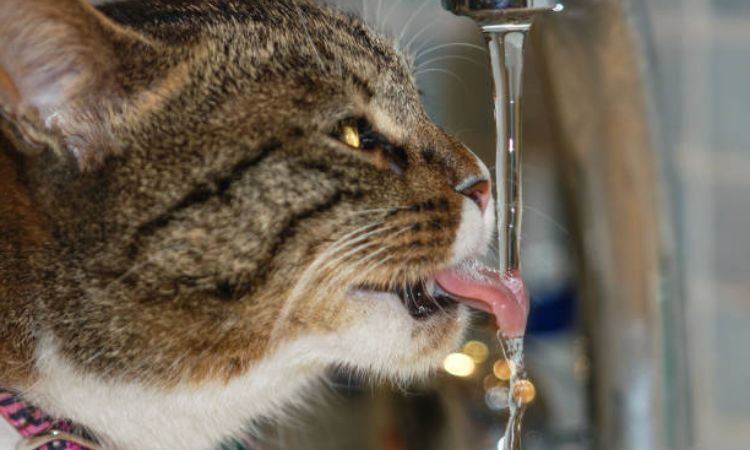
You glance over and catch your cat lapping at the water bowl yet again, and it hits you this isn’t the usual sipping behavior. What used to be a quick drink once or twice a day has turned into multiple trips, sometimes even to the sink or your glass.
If you’re wondering, “Why is my male cat drinking so much water?” you’re not alone. Let’s dive into the surprising reasons behind this change and what it could mean for your furry friend’s health.
Common harmless reasons for drinking more
While sudden increases in water consumption can sometimes indicate serious health issues, there are also several harmless or temporary reasons why your cat—particularly a male cat—might drink more than usual. Understanding these factors can help you distinguish between normal behavior and signs of an underlying problem.
1. Environmental Factors
Changes in your cat’s environment can influence how much water they need.
- Hot Weather: Just like humans, cats may drink more during warm or humid conditions. Increased thirst during summer or on unusually hot days is generally normal, as the body tries to maintain hydration.
- Heated Homes: During winter, indoor heating can dry out the air, making cats thirstier. Providing multiple water bowls or a cat water fountain can help them stay hydrated.
- Increased Activity and Play: Cats that are more active, either due to new toys, interactive play, or bursts of energy (“zoomies”), may require extra water. Active cats naturally lose fluids faster and will drink more to compensate.
- Recent Stress or Changes: Moving to a new home, introducing a new pet, or adjusting to a different daily routine can temporarily increase water intake. Stress-related thirst usually normalizes once the cat acclimates to the new environment.
2. Diet-Related Causes
A cat’s diet has a direct impact on their daily water intake.
- Switching from Wet to Dry Food: Wet or canned food contains up to 70–80% water, while dry kibble contains only about 10%. A sudden transition to a dry diet often leads to increased drinking as cats compensate for the lack of moisture in their food.
- Higher-Salt Diets or New Treats: Some kibble, treats, or supplements may have higher sodium content, prompting cats to drink more water. Even small changes in diet can noticeably affect their hydration habits.
- New Food Brands: Cats are sensitive to changes in flavor or ingredients. Switching to a new kibble brand may temporarily increase water consumption while they adjust to the diet.
3. Aging and Lifestyle Changes
Mild increases in water intake can also occur naturally as cats age, particularly in male cats, without indicating disease.
- Older cats may experience subtle shifts in kidney function or metabolism that slightly increase thirst, even if they are otherwise healthy.
- Lifestyle changes, such as spending more time indoors, alterations in daily activity, or slight weight gain or loss, can also influence drinking patterns.
- While these increases are usually harmless, it is important not to ignore persistent or significant changes, as they could signal early stages of health conditions like kidney disease, diabetes, or hyperthyroidism.
Serious medical causes in male cats
1. Chronic Kidney Disease (CKD)
Chronic kidney disease is one of the most common health issues in older male cats. The kidneys play a critical role in filtering waste from the blood and balancing water in the body. When kidney function declines, cats are unable to concentrate their urine effectively, leading to excessive water loss.
Typical onset occurs in cats over seven years old, although it can develop earlier in some cases. Common symptoms include increased drinking and urination, noticeable weight loss, reduced appetite, bad breath with a uremic odor, and lethargy. Cats may also exhibit poor coat condition, vomiting, or occasional diarrhea. Since CKD is progressive and incurable, early detection through blood tests, urine analysis, and regular veterinary monitoring is essential to slow disease progression and maintain quality of life.
2. Diabetes Mellitus
Diabetes mellitus is another serious condition that can significantly increase thirst and urination in male cats. In diabetic cats, the pancreas fails to produce enough insulin or the body’s cells become resistant to insulin, leading to high blood sugar levels. Elevated glucose in the bloodstream draws water from tissues, causing the cat to drink more to compensate and resulting in increased urine output.
Common signs include a ravenous appetite combined with unexplained weight loss, excessive urination, and sometimes sticky or sugary-smelling urine. Cats may also appear lethargic or struggle with grooming, leading to a dull or matted coat. Diabetes is often seen in overweight cats or those primarily fed high-carbohydrate diets. Early diagnosis and management with insulin therapy, dietary changes, and regular monitoring can help many diabetic cats maintain a normal, active lifestyle.
3. Hyperthyroidism and Liver Disease
Hyperthyroidism and liver disease are additional medical conditions that can cause significant increases in water consumption in male cats.
- Hyperthyroidism is most common in middle-aged to older cats and occurs when the thyroid gland produces excessive thyroid hormones. Classic signs include hyperactivity, restlessness, constant hunger, rapid weight loss, vomiting, and a poor coat. If untreated, hyperthyroidism can also stress the heart and other organs.
- Liver Disease can affect cats of varying ages and may lead to increased drinking and urination as the body attempts to compensate for impaired liver function. Signs often include vomiting, decreased appetite, jaundice (yellowing of the eyes, gums, or skin), dark-colored urine, lethargy, and poor coat condition.
Both conditions require prompt veterinary evaluation, including blood work, imaging, and sometimes specialized treatments like medications, dietary management, or surgery. Early intervention can dramatically improve outcomes and quality of life for affected cats.
Male-specific and urinary tract concerns
When a male cat starts drinking more water than usual, it almost always comes with a corresponding increase in urination. This relationship—more water in, more urine out—is a key signal that cat owners should never ignore, particularly in male cats. Male cats are anatomically more susceptible to urinary tract complications than females due to their narrow urethra, which makes them prone to blockages, crystal formation, and other urinary issues. An increase in water intake may initially seem harmless, but if it accompanies changes in litter box habits or urine characteristics, it can indicate a potentially life-threatening condition.
Urinary Tract Issues Common in Male Cats
Several urinary problems are more frequently seen in male cats, often intertwined with other underlying medical conditions like kidney disease or diabetes:
- Crystals and Struvite Formation
Urinary crystals, particularly struvite or calcium oxalate crystals, can develop in the bladder and urethra. These crystals irritate the urinary tract, causing pain, frequent attempts to urinate, and small amounts of urine. Male cats are at higher risk because a narrow urethra can easily become partially or fully blocked by crystal buildup. Left untreated, a blockage can lead to acute kidney failure or death within hours. - Urinary Blockages
A complete urethral blockage is a true emergency, primarily affecting male cats. A blocked male cat may strain in the litter box without producing urine, vocalize in distress, or exhibit signs of severe discomfort, lethargy, and vomiting. Immediate veterinary intervention is critical, as prolonged blockage can rapidly cause toxicity, electrolyte imbalances, and life-threatening complications. - Impact of Kidney Disease and Diabetes
Underlying conditions such as chronic kidney disease or diabetes mellitus can increase the risk of urinary problems in male cats. Kidney disease reduces the ability to concentrate urine, leading to more frequent urination and potentially diluting urine enough to facilitate crystal formation. Diabetes raises blood sugar levels, causing glucosuria, which alters urine composition and may promote urinary tract irritation or infections. Both conditions make vigilant monitoring of water intake and litter box habits especially important in male cats.
Red-Flag Signs That Require Urgent Veterinary Care
Certain behaviors or symptoms in male cats should trigger immediate veterinary attention:
- Straining to urinate or frequent unsuccessful attempts in the litter box.
- Crying, vocalizing, or showing signs of distress while trying to urinate.
- Blood in the urine or visibly dark/discolored urine.
- No urine output despite repeated attempts, a hallmark of a urethral blockage.
- Sudden lethargy, vomiting, or weakness, particularly in older male cats or those with known kidney or metabolic disease.
Even a mild increase in water consumption should be taken seriously if it is accompanied by any of these red-flag signs. Time is critical, especially in male cats, because urinary blockages can become life-threatening within hours.
When to see a vet
Knowing when to call the veterinarian can make a critical difference in your male cat’s health, particularly when dealing with excessive drinking (polydipsia) and urination (polyuria). Owners should contact their vet immediately if they notice any of the following warning signs:
- A sudden, significant increase in water consumption beyond the cat’s usual pattern.
- Noticeably larger or more frequent urination, or accidents outside the litter box.
- Unexplained weight loss despite normal or increased appetite.
- Vomiting, diarrhea, or persistent nausea.
- Behavior changes such as lethargy, restlessness, hiding, or unusual vocalizations.
- Signs of halitosis (bad breath), which may indicate kidney disease or metabolic issues.
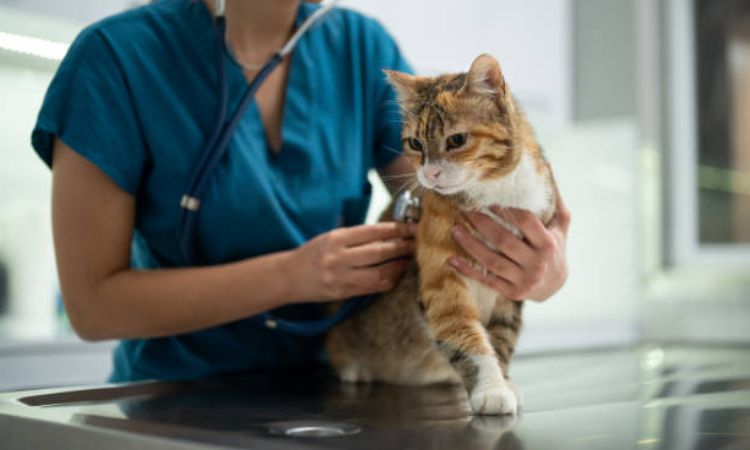
Once at the clinic, the veterinarian will typically perform a comprehensive evaluation to determine the underlying cause of your cat’s increased thirst. This usually includes:
- A physical examination, checking body condition, hydration status, and looking for any signs of pain or organ enlargement.
- Blood tests to evaluate kidney and liver function, blood sugar levels, and thyroid hormone levels.
- Urine analysis, sometimes paired with a urine culture, to detect infections, crystals, or early kidney dysfunction.
- Blood pressure measurement, particularly in older cats, since high blood pressure often accompanies kidney or endocrine disorders.
- Imaging tests such as X-rays or ultrasound if the vet suspects structural issues, blockages, or organ abnormalities.
Early diagnosis is especially important for male cats, as timely intervention can significantly improve outcomes for conditions such as chronic kidney disease, diabetes mellitus, hyperthyroidism, and other hormone-related disorders. Identifying problems before they progress allows for tailored treatments—dietary adjustments, medications, or procedures—that can maintain quality of life, prevent complications, and in some cases, even put diabetes into remission.
What you can do at home (while waiting for vet care)
While waiting for a veterinary appointment, there are several practical steps you can take at home to monitor your cat’s health and keep them safely hydrated. Tracking daily habits is one of the most important tools: keep a simple log of how much water your cat drinks, how often they urinate, their weight, and any notable behavior changes such as lethargy, changes in appetite, or unusual grooming. Using consistent measurements—like a marked water bowl or measuring cup—and noting litter box output can provide valuable information for your veterinarian and help detect patterns that indicate worsening or improvement.
To support hydration safely, offer multiple clean water bowls throughout the home and consider using a water fountain, which many cats prefer and encourages more frequent drinking. You can also add small amounts of water or low-sodium broth to their food, particularly if they are reluctant to drink from a bowl. These strategies help maintain hydration without interfering with the diagnostic process.
It is crucial to never restrict your cat’s water as a way to “test” their thirst. Withholding water can quickly lead to dehydration, exacerbate underlying conditions like kidney disease or diabetes, and cause serious complications. Similarly, self-medicating or giving supplements or medications without veterinary guidance is risky and may mask symptoms or worsen an underlying illness. The safest and most effective approach is careful observation and timely veterinary care, paired with supportive hydration and monitoring at home.
FAQ about male cats and excessive thirst
Is it more dangerous for male cats to have urinary problems?
Yes, urinary issues can be particularly serious in male cats. Because male cats have narrower urethras, they are at higher risk for urinary blockages, which can prevent them from urinating altogether. This is a life-threatening emergency that requires immediate veterinary attention. Even a partial blockage can quickly become severe, so any signs such as straining in the litter box, frequent attempts to urinate, crying while urinating, or blood in the urine should prompt urgent care.
Can neutering affect how much my male cat drinks?
Neutering itself generally does not cause increased thirst. While neutered males may experience changes in metabolism or activity level over time, these do not typically lead to polydipsia (excessive drinking). If a neutered male suddenly starts drinking much more water than usual, it is important to consider underlying medical causes rather than attributing it to neutering.
Can I manage this at home if my cat seems fine?
Even if your male cat appears otherwise healthy, increased water intake should never be ignored. Only a veterinarian can accurately assess whether excessive thirst is a sign of a serious underlying condition such as kidney disease, diabetes, hyperthyroidism, liver disease, or urinary tract issues. At-home monitoring of water intake, litter box habits, and overall behavior is useful for providing information to the vet, but it cannot replace a professional diagnosis. Prompt veterinary evaluation is the safest approach to rule out potentially life-threatening problems and start treatment early if needed.